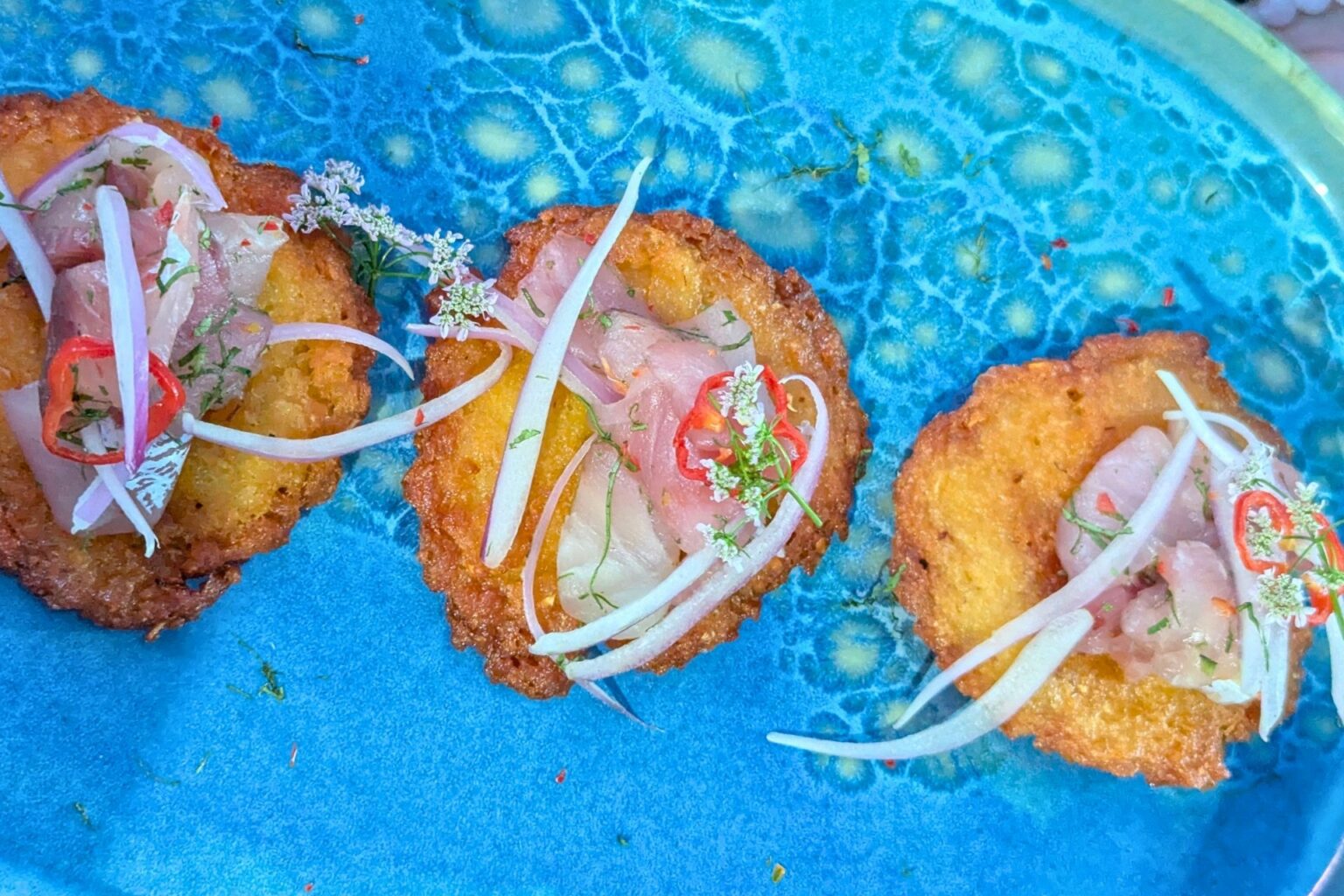
From market stalls to Nikkei tasting menus, discover why Lima deserves more than a stopover—and a very good appetite.
Words & Images by Cathy Senecal
A massive tuna belly the size of a laser printer sat atop a cart, as a waiter carefully carved slivers of fresh tomo sushi tableside to add to sea urchin, egg yolk and sushi rice, one of 12 courses on the tasting menu at chef Mitsuharu “Micha” Tsumura’s Maido, #1 on the 2025 World’s 50 Best Restaurants.
Often, Lima is an overnight stop for travellers heading to the Sacred Valley and Machu Picchu, but this coastal desert capital’s rise as a global culinary hotspot warrants a few days for serious food devotees.
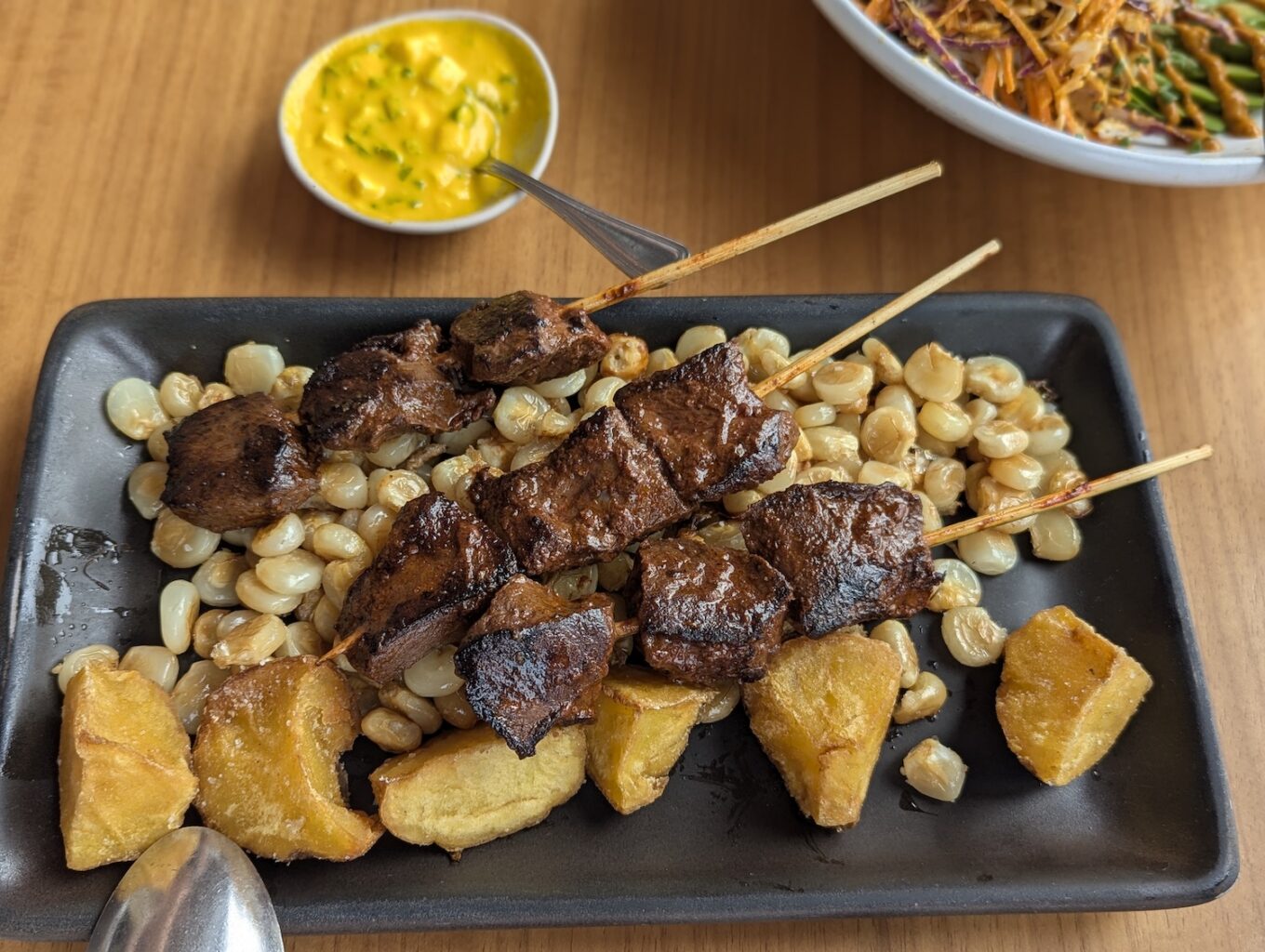
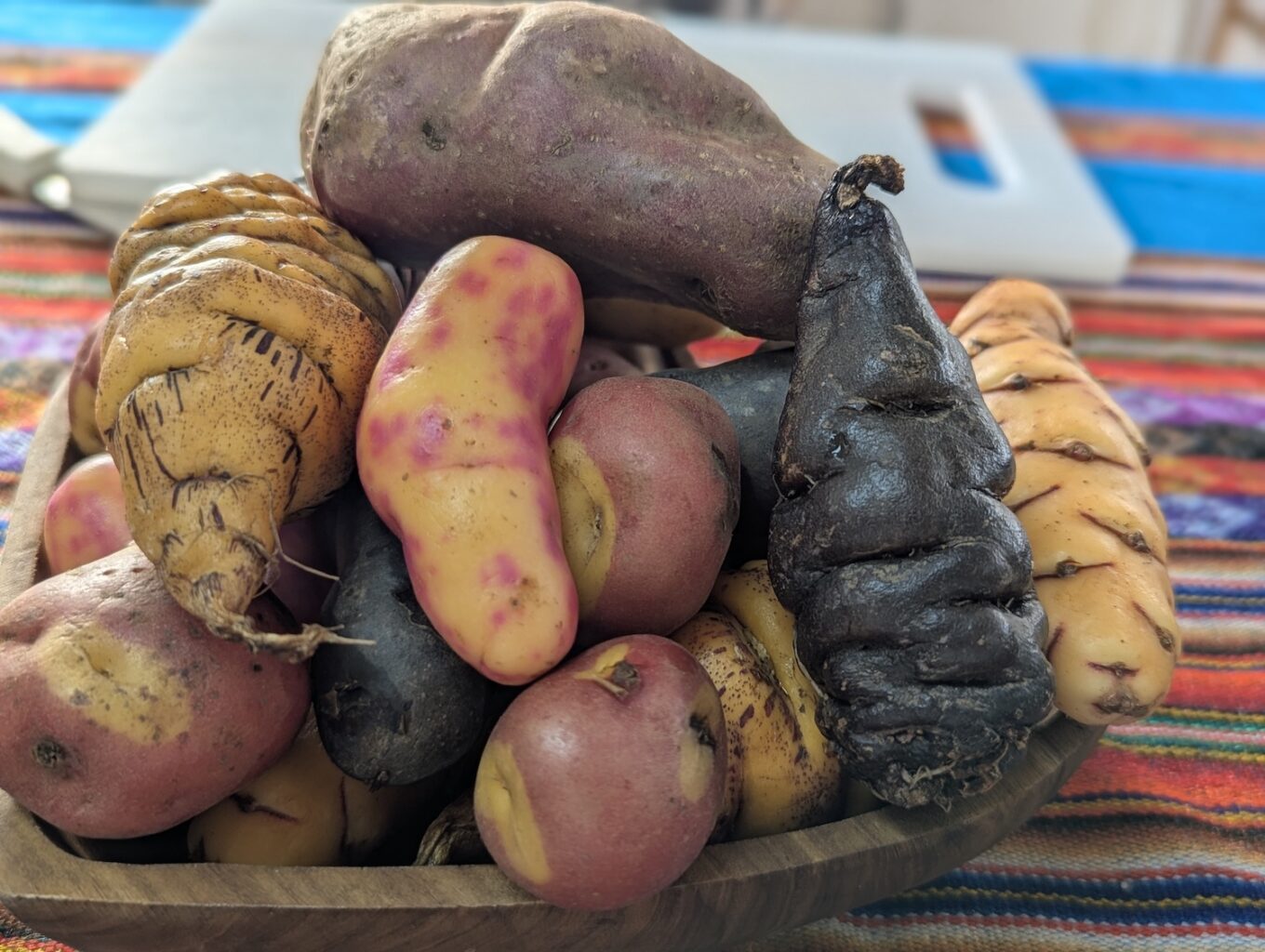
The Inca cultivated an incredible variety of crops—potatoes, ancient grains, chilis—and lived amid 84 of the world’s 103 microclimates, making Peruvian food unique. Spanish, African, Chinese and Japanese influences further enhanced the country’s cuisine.
Top restaurants and culinary classes in interesting neighbourhoods make learning about Peruvian food tasty…and fun.
Hands-on experiences bring out grinding, mixing and a chocolate stupor
In a coastal city overlooking the Pacific, our small group of friends took a cooking class, shook up a pisco sour, and tasted chuncho cacao chocolate, a tangy, creamy concert in the mouth.
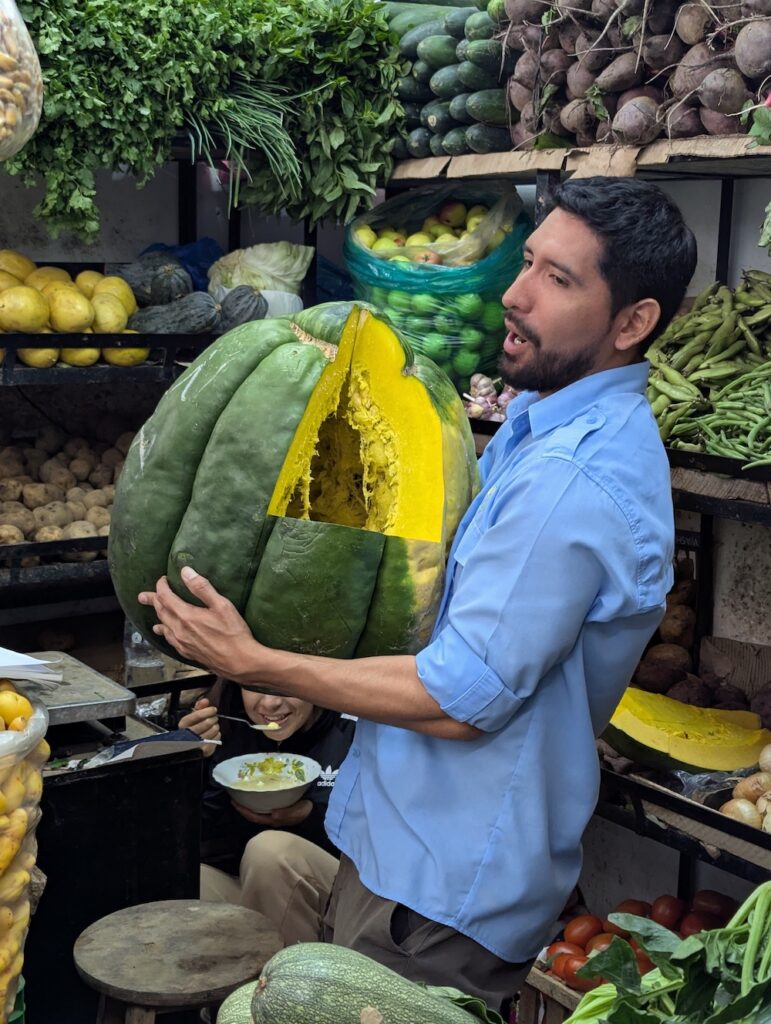
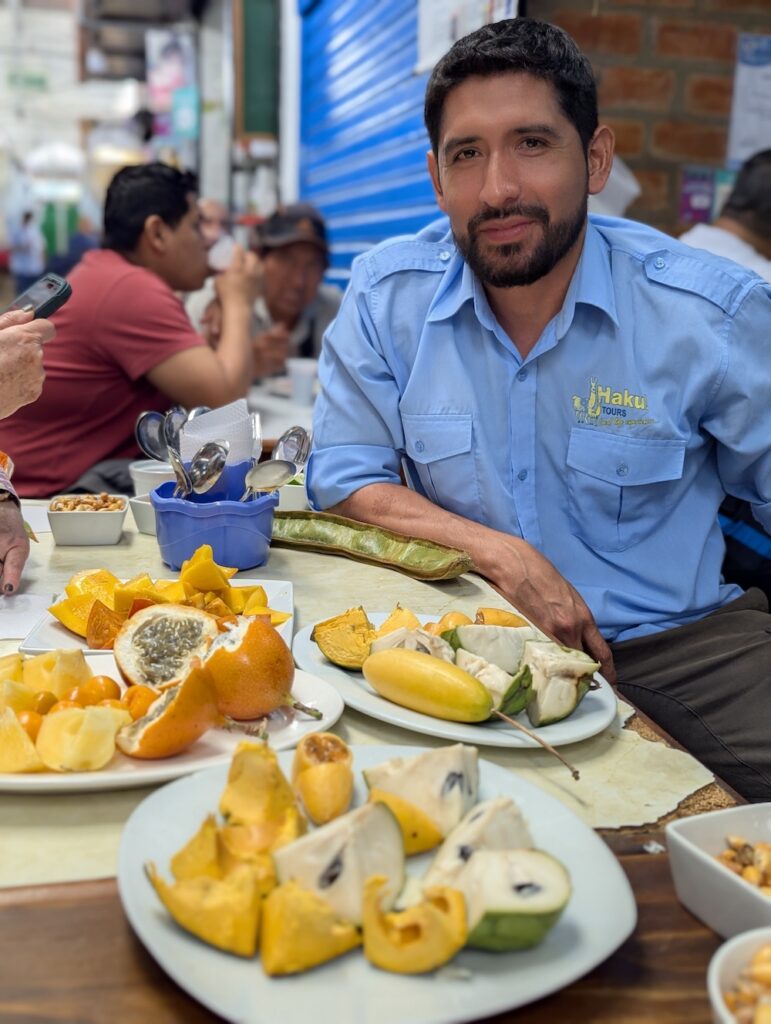
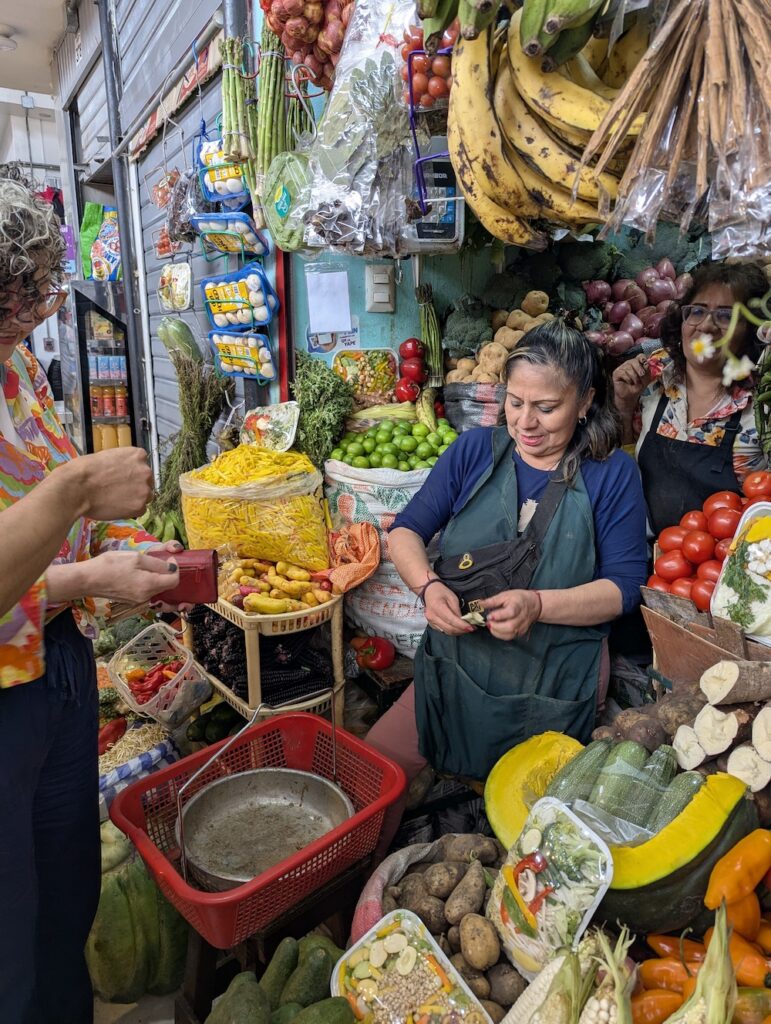
For Haku! Tours cooking class, we first roamed the hopping Surquillo Market with guide, Cesar Contreras. He led us past the hanging chickens and jam-packed vegetable stalls to have us sample fruits like tumbo, pepino dulce, chirimoya, lucuma, and aguaymanto, before we headed to the kitchen to slice, dice and grind.
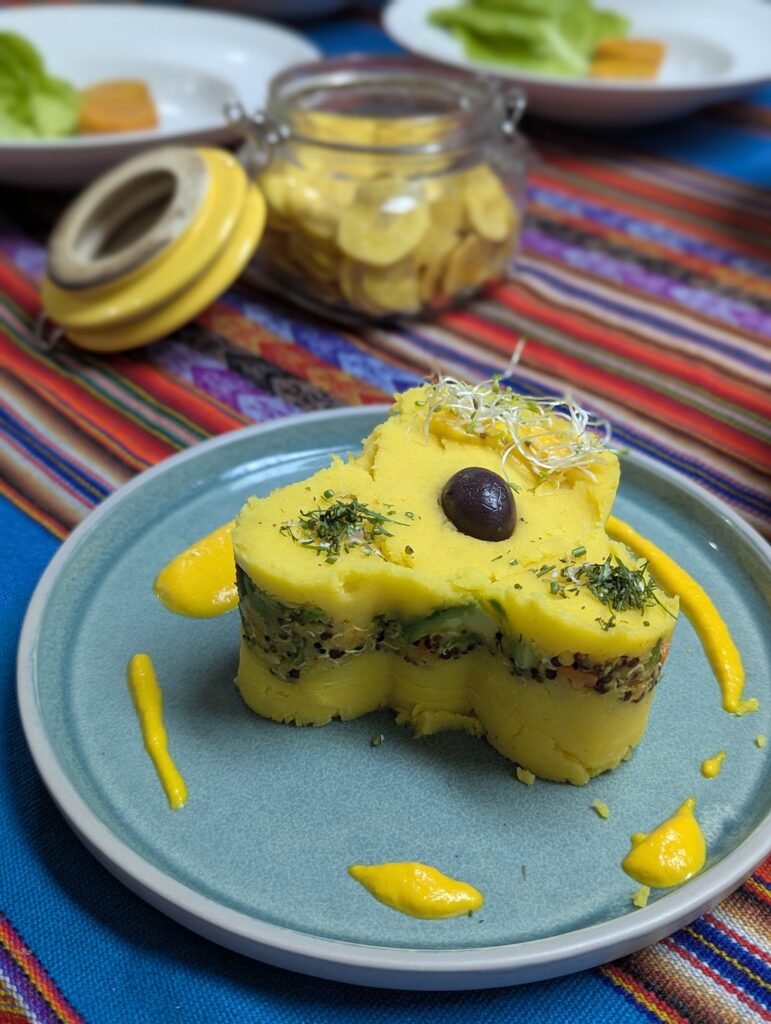
To make causa rellena, we mashed potatoes with a yellow chilli paste, layered the potatoes in a mould with quinoa, avocado and onion before eating it along with a light “tiger milk” ceviche and papa rellena, a beef-filled potato bun.
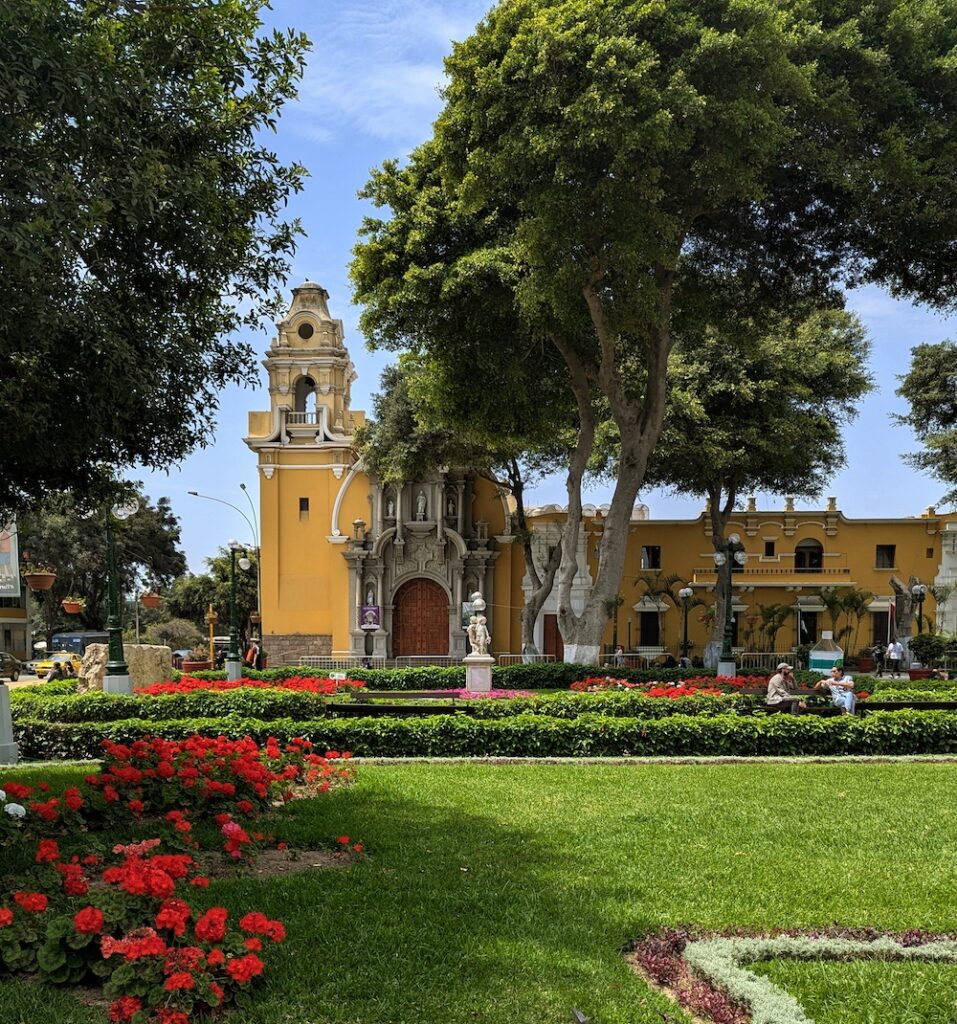
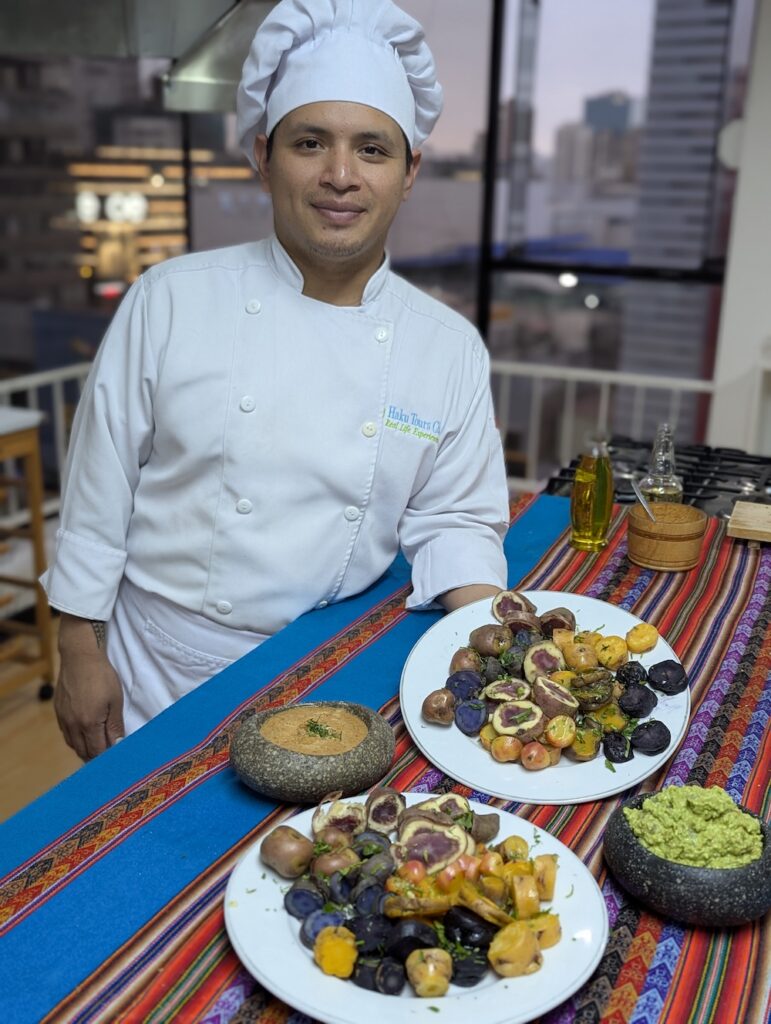
In the artsy Barranco neighbourhood, murals, cafes and boutique shops beckon amid both modern-designed and colonial architecture in a tiny two-square-kilometre area.
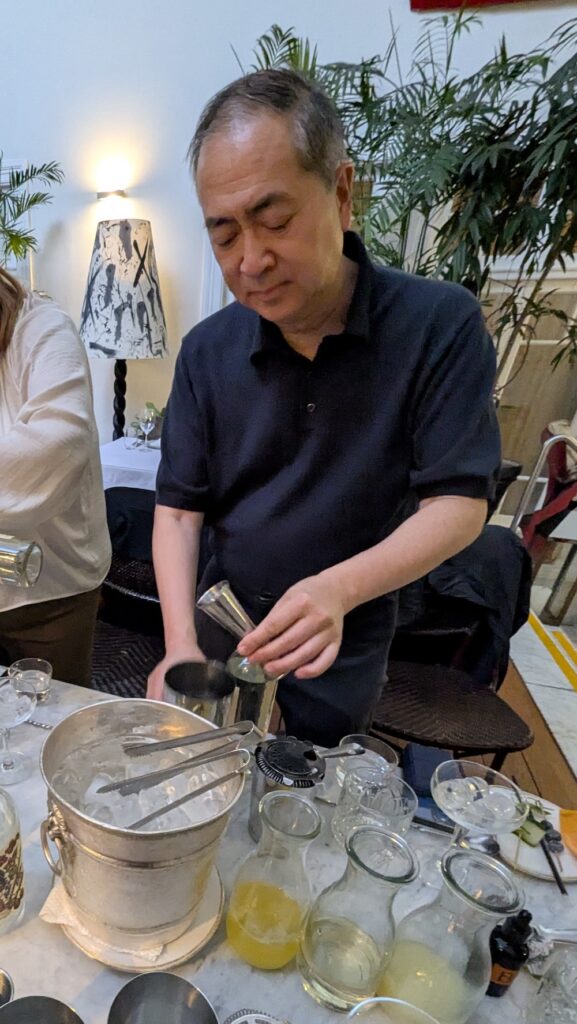
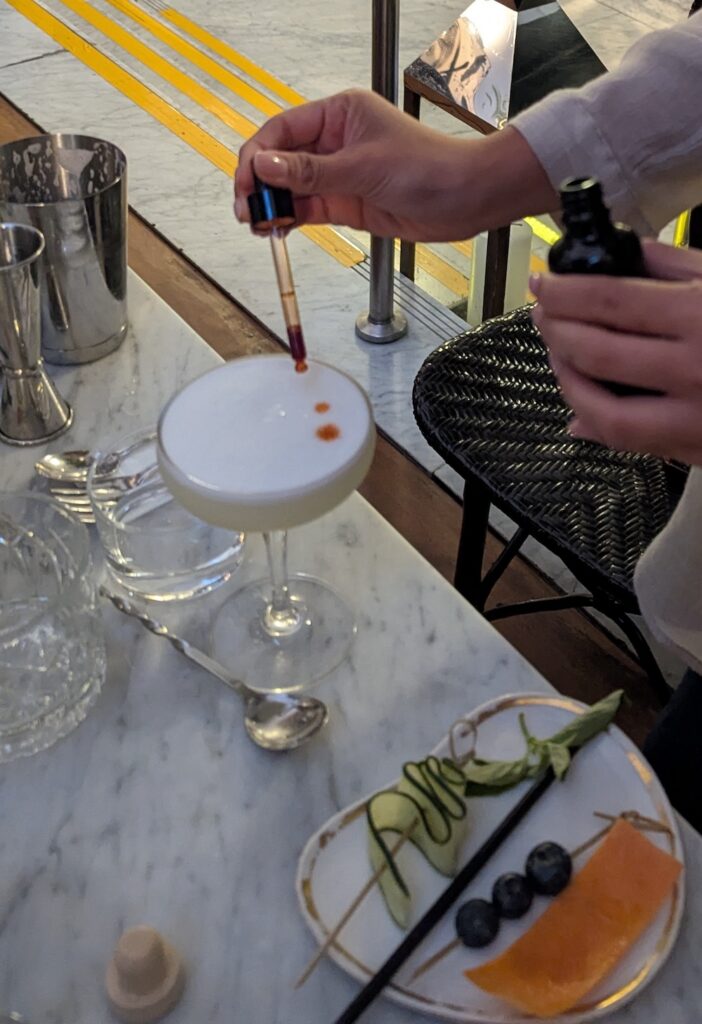
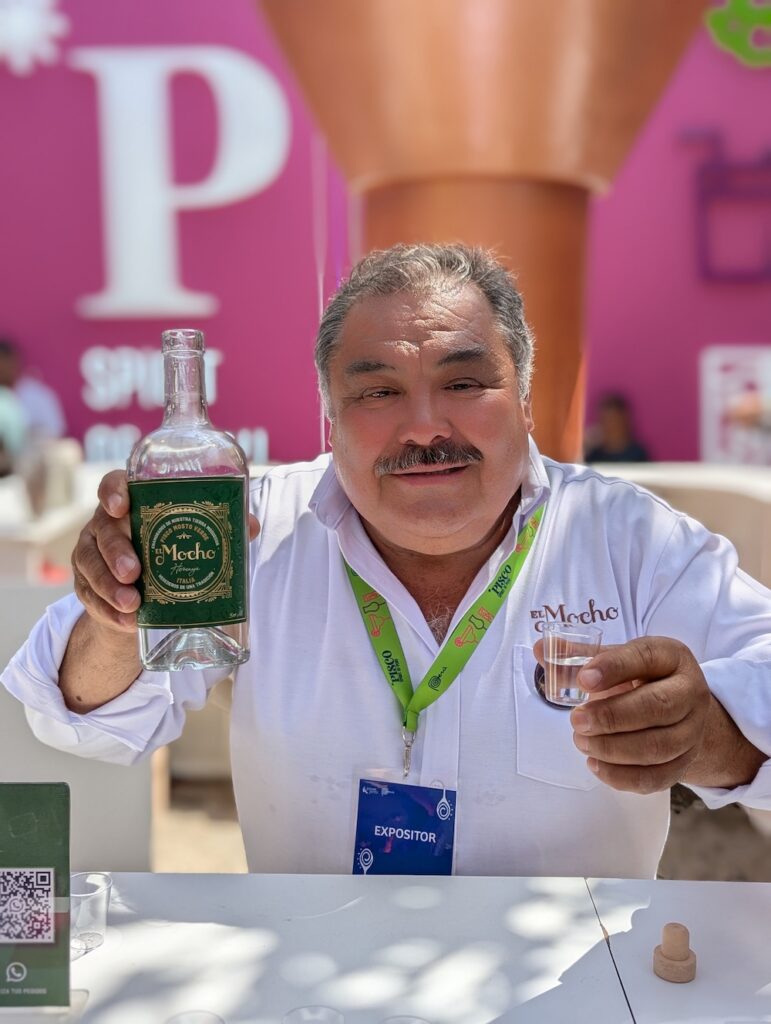
Here, at Hotel B, a restored Belle Époque mansion, we began our pisco class at a table laden with bottles, ice, eggs and strainers. We chuckled at our bartender’s precise instructions, “place four ice cubes in the coupette,” “shake for 15 seconds,” and “add three drops of bitters,” but were rewarded with a fresh, lovely Pisco Sour, Peru’s national drink.
At El Cacaotal, also in Barranco, Amanda Jo Wildee helped us smell, look at, taste and, surprisingly, listen to chocolates from four different ecosystems in Peru. “Chew seven times, then let it melt” was how we learned to taste if the flavour was earthy, spicy, floral or nutty.
A piece’s snap—soft, crisp, soft, dry—and colour revealed more about where the chocolate was from. After class, we entered Amanda’s so-called chocolate library, where a kind of chocolate stupor made us buy way too many chocolate bars to take home.
2025 World’s 50 Best Restaurants serve art on a plate
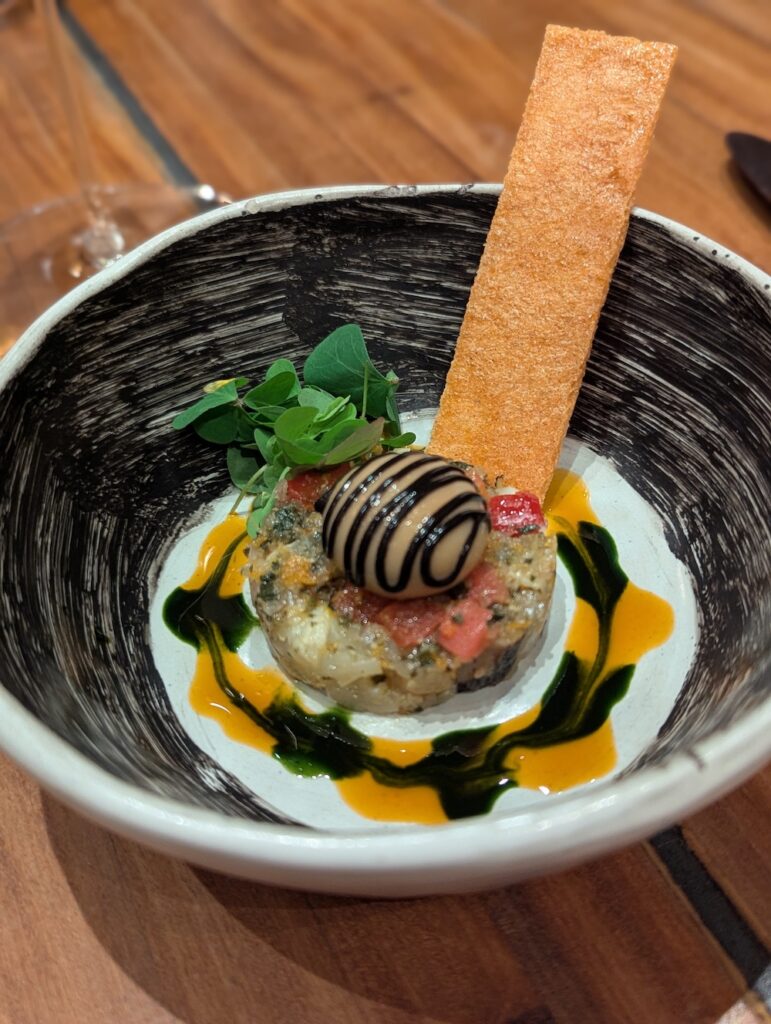
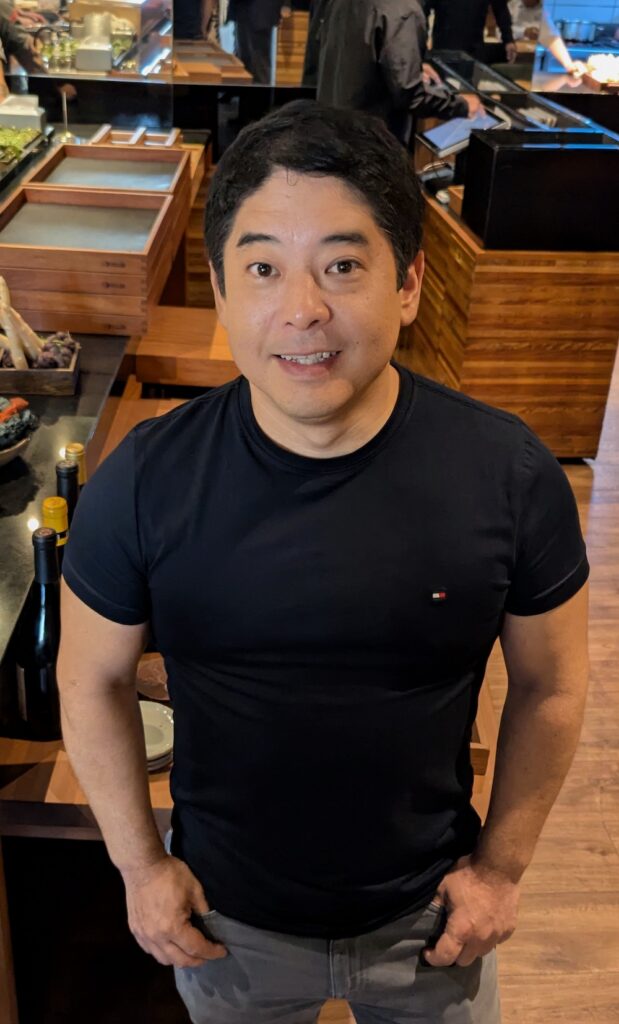
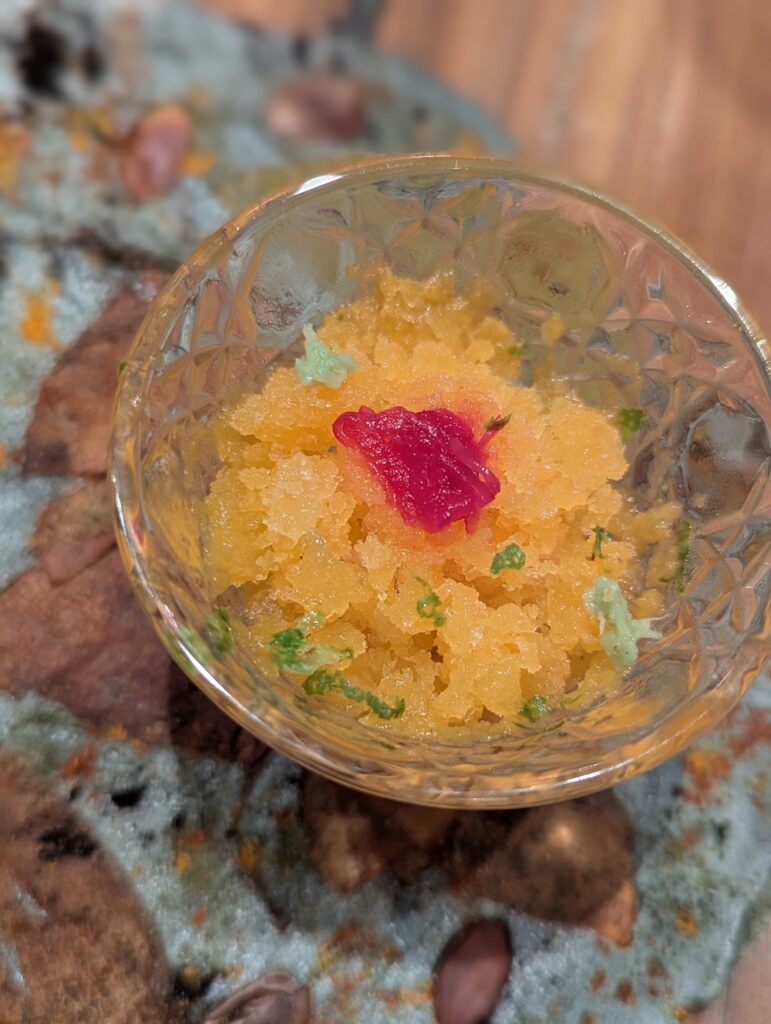
For a splurge, book ahead to hit Maido or Merito, first and 26th on the 2025 World’s 50 Best Restaurants. Maido excels at revealing the essences of Peru’s Andes Mountains, Amazon Rainforest, and Pacific Coast, blending them with the country’s strong African, Chinese, and Japanese influences.
Friends and I sampled exquisitely presented haute Nikkei cuisine from Maido’s 12-course tasting menu, $527 without wine and sake pairings. Beyond the tuna belly dish, we had a dish of suckling pig, mashua paper, asparagus and rocoto verde, as well as Chilean sea bass and a refreshing palate cleanser of nisperos, figs and wasabi called raspadilla.
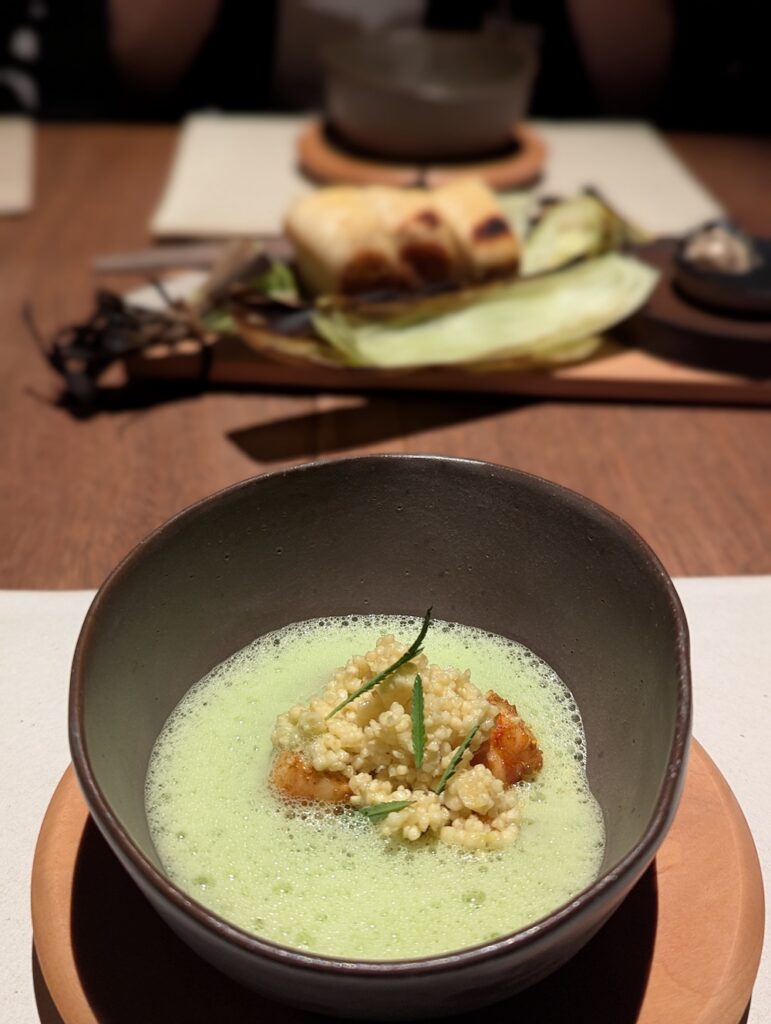
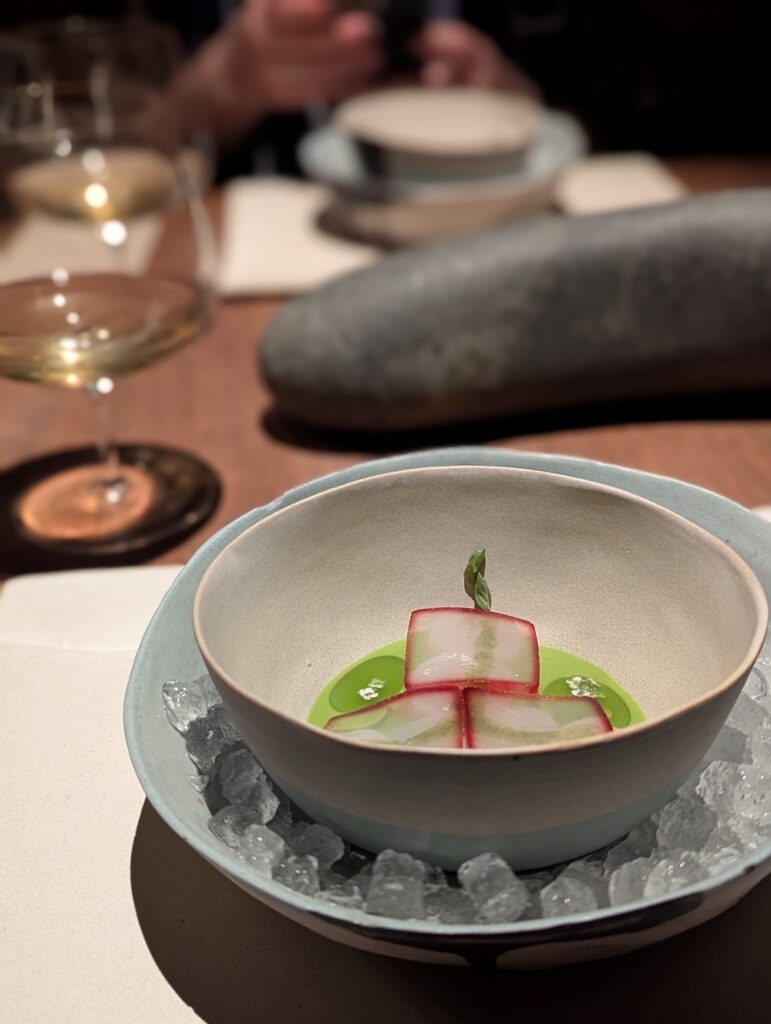
At Mérito, chef Juan Luis Martinez from Venezuela created ten flavour-popping dishes for $280 CDN, including an herb-filled Andean fish curry and sublime ceviche with aji dulce leche de tigre. Everything served was a work of culinary art at both places.
Perú Mucho Gusto and the Kiss
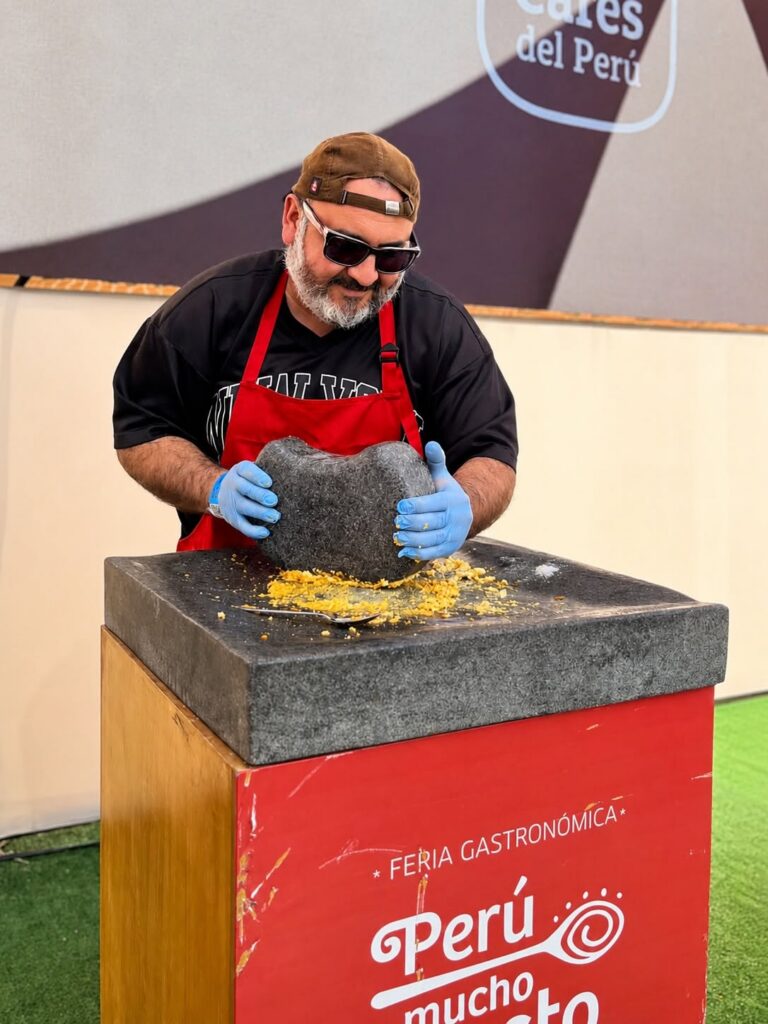
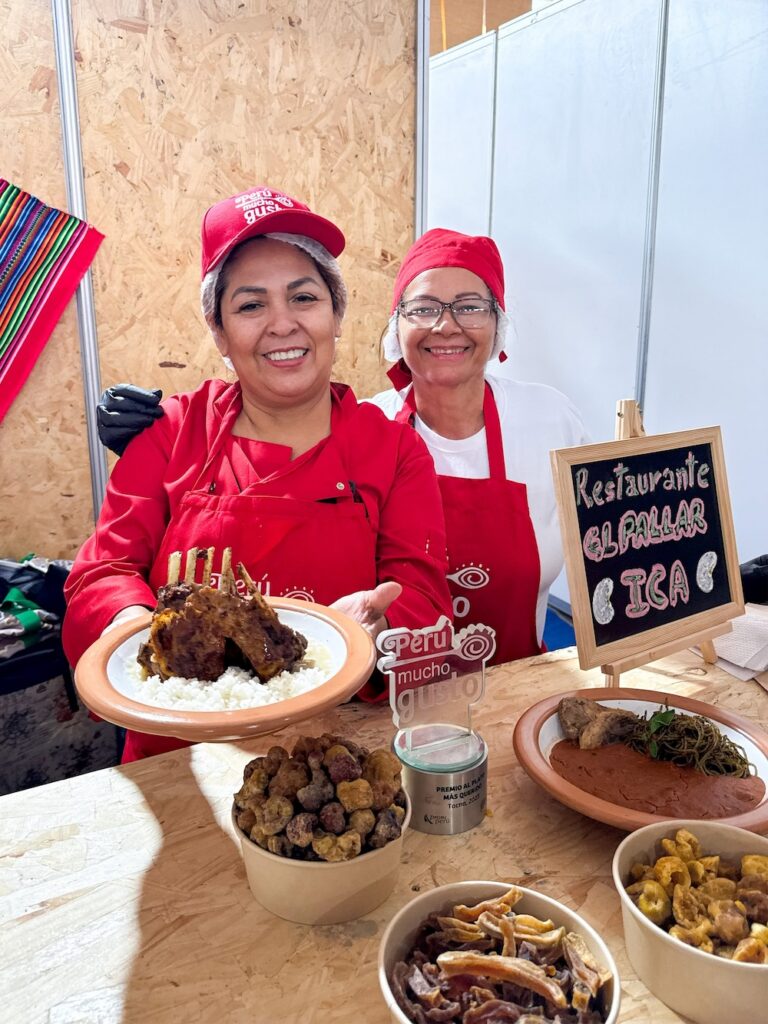
If you travel in late October, do not miss Perú Mucho Gusto, one of the country’s top culinary festivals. In between colourful displays rich with traditional dancing and slick food demonstrations, I sampled a Japanese-inspired plantain and fish dish; tortitas de choclo, a tasty corn cake; picarones, a traditional fried pastry with fig syrup; papas a la huacahina with a chilli sauce, a mere sampling of 100-plus tasty dishes from 25 regions of Peru.
Après food, and in need of exercise, I joined the strolling couples along Love Park’s seaside promenade in the slanted light of sunset. I made my way along Lima’s Costa Verde cliffs to capture the Kiss, an iconic three-by-12 metre sculpture of an embracing couple, enhanced by the setting sun and perched high above the Pacific Ocean.
Beyond Lima
Many visitors spend time beyond Lima, visiting Cusco, Machu Picchu, Lake Titicaca, or elsewhere. For more on Peru, check out Visit Peru.
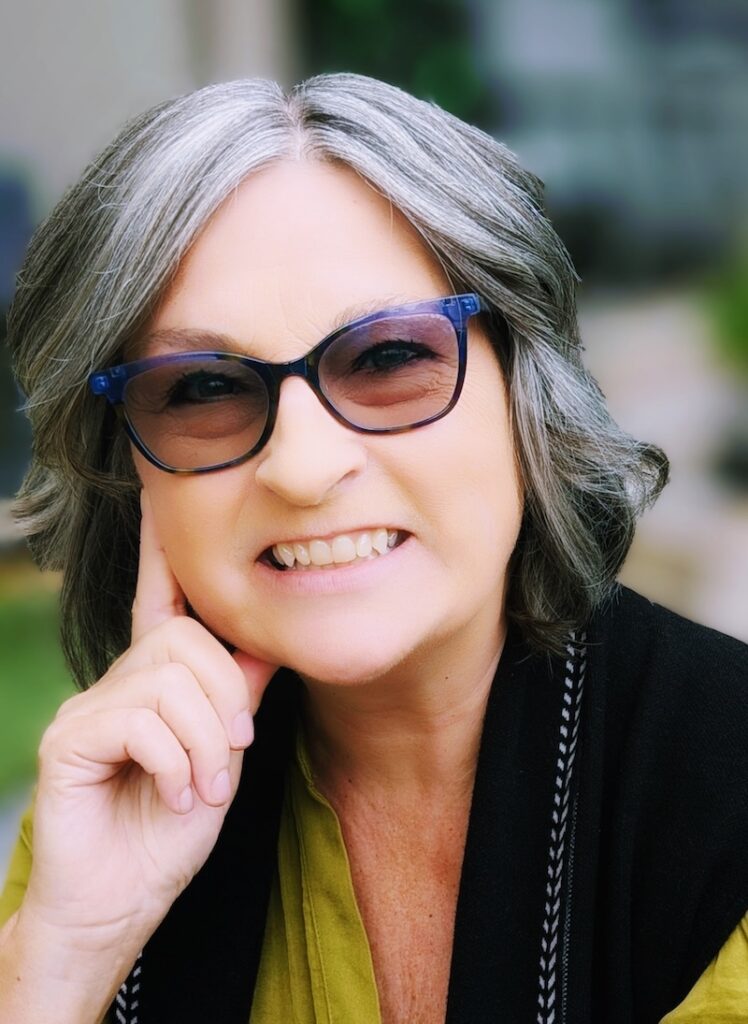
Cathy Senecal is an award-winning travel writer based in Canada who covers global culture, cuisine, and active travel for numerous North American outlets.
Follow her adventures at @wildtripsawait.
