
By Jane Felice & Barbara M. West
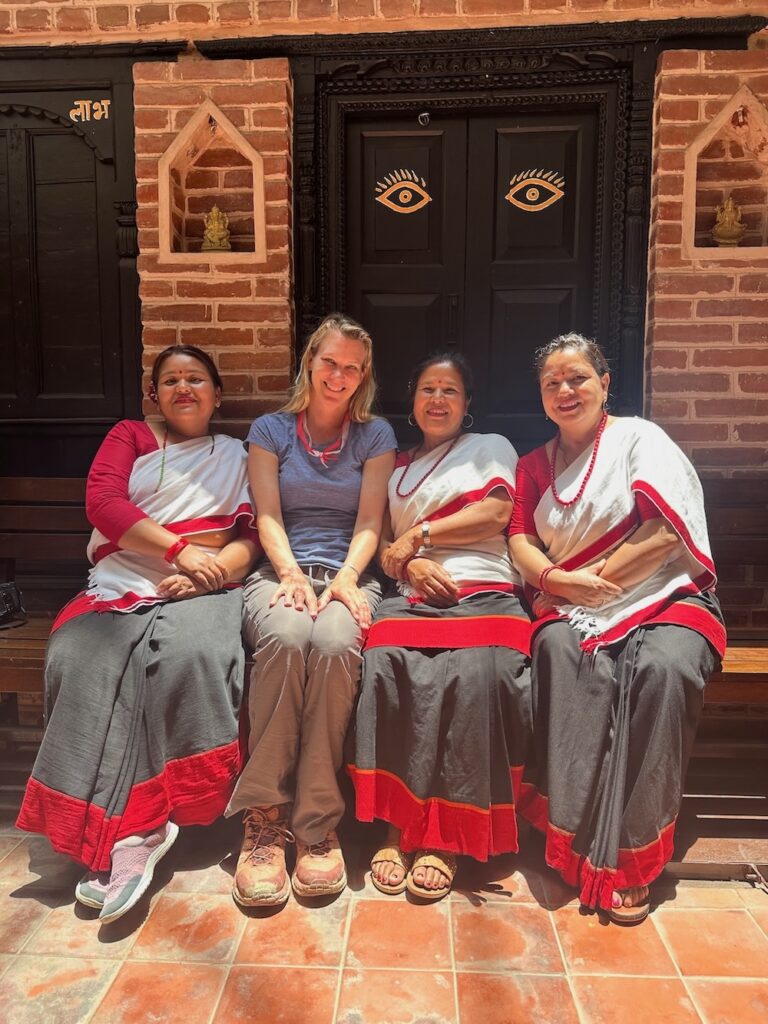
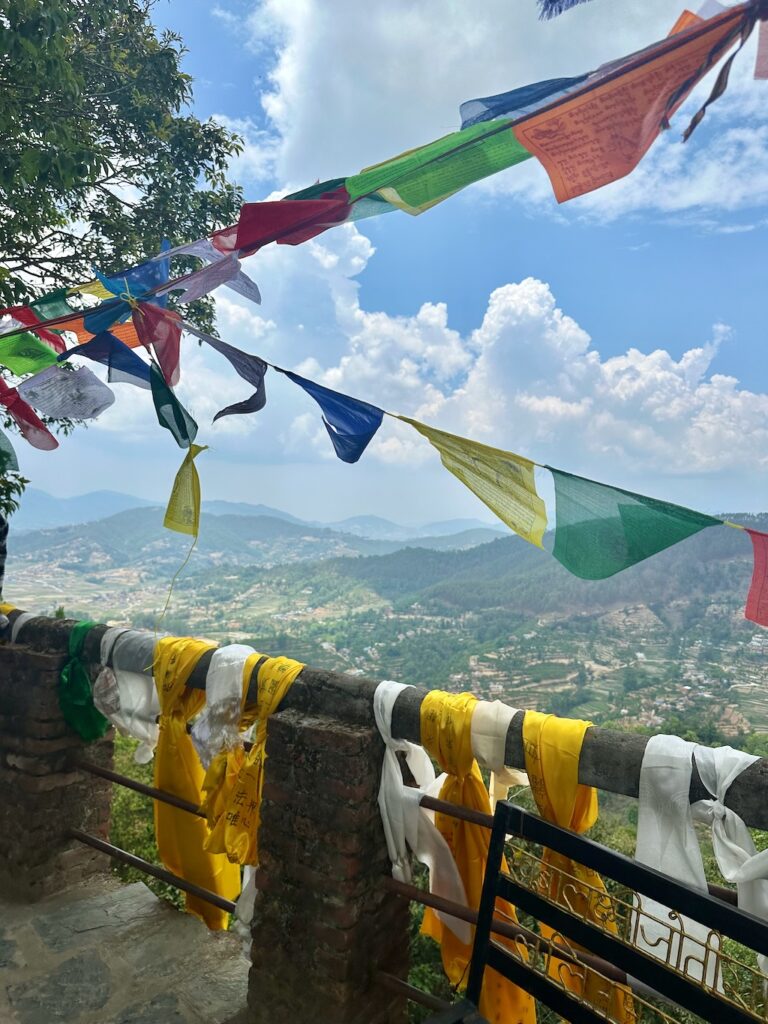
The morning air was thin and cool when Nicole Melancon began her trek in Nepal. Mist curled off the mountains, prayer flags fluttered, and the rhythm of boots on earth set the tone for two weeks of climbing and connection. Each night she stayed in a family‑run tea house, sharing dal bhat with locals who told stories of the trails they maintained by hand.
Somewhere along that path, Nicole was transformed.
It wasn’t only about reaching a summit—it was about the people who made her ascent possible. As she later put it,
“Travel changed for me in Nepal. Trekking with two local guides for two weeks, staying in family-run tea houses, I realized the trip wasn’t just about the mountains, but it was also about the people. For the first time, I saw how choosing local experiences could create real connections and directly support the communities hosting us.”

That realization—simple, human, transformative—is at the heart of regenerative travel, a movement reshaping how we explore the world.
Travel has always been about discovery: new landscapes, new cultures, new ways of seeing. Yet the modern ease of movement has created an unintended paradox: the very act of travelling can damage the places we set out to admire.
Once‑remote beaches now echo with motorbikes and music festivals. Ancient streets overflow with short‑term rentals and rolling suitcases. From Venice to Bali, overtourism has strained resources, displaced locals, and eroded the authenticity travellers crave.
The question facing us is no longer whether we should travel—it’s how we can travel well.
When Travel Takes More Than It Gives
Across the globe, beloved destinations are learning what happens when growth outpaces care. Venice’s canals have turned from quiet waterways into crowded lanes of cruise traffic. Barcelona’s neighbourhoods—once vibrant with residents—now teem with short‑term rentals that price locals out. Machu Picchu, Maya Bay, Bali, and Tulum have seen ecosystems choke under the weight of fame.
Tulum’s transformation from off‑grid haven to party hub shows how unbalanced tourism can overwhelm. Water tables are stressed, beaches eroded, and once‑affordable housing is now out of reach for many residents.
Venice, sustained economically by tourism, simultaneously suffers from its excess—its population shrinking to a fraction of what it once was. At Maya Bay, 5,000 daily visitors degraded coral until 80 percent was gone; the bay had to close for years to regenerate.


Cinthya Sopaheluwakan, an Indonesian traveller living in Norway, has watched similar shifts unfold closer to home.
“Being Indonesian, I’ve seen how destinations like Bali evolve under the weight of global tourism. It’s a reminder that when we travel, we’re stepping into places that are not just destinations—they’re home to people whose lives are shaped by the choices visitors make. The responsibilities of visitors are bigger than they realize.”
Her reflection captures a growing awareness: travel, when thoughtless, extracts; when intentional, it nourishes.
Where Regeneration Thrives
Around the world, the next chapter of travel is already being written. Some destinations are moving beyond sustainability—aiming not just to preserve but to repair.
Queenstown Lakes, New Zealand, is charting a bold plan for a carbon‑zero visitor economy by 2030. Its approach joins residents, businesses, and travellers in shared goals—electric ferries, circular‑waste systems, and meaningful community partnerships.
Ljubljana, Slovenia, Europe’s Green Capital, proves that visionary planning pays off. Nearly half its area remains green space, the city center is largely pedestrianized, and it stands as Europe’s first zero‑waste capital. Visitors experience a cleaner city precisely because residents’ quality of life comes first.
In Copenhagen, Denmark, regenerative travel moves on two wheels. Nearly half of all trips are by bike, and visitors are invited to join. The city’s “CopenPay” program rewards low‑impact choices—cycle to a museum or volunteer at a park, and you earn cultural experiences in return.
And then there’s Costa Rica, a living laboratory for conservation. Through national reforestation efforts, wildlife corridor restoration, and community‑led lodges, Costa Rica has shown the world how protecting biodiversity can fuel economic vitality. Its national brand—Essential Costa Rica—invites travellers to take part in healing, not harming.
The common thread through all these examples is partnership. When locals, governments, and visitors share a mission of restoration, everyone benefits.
How Travellers Can Take Part
Regenerative travel is not a checklist but a mindset—less about being perfect, more about being present. The choices are often small but powerful when multiplied across millions of travellers.

Stay local.
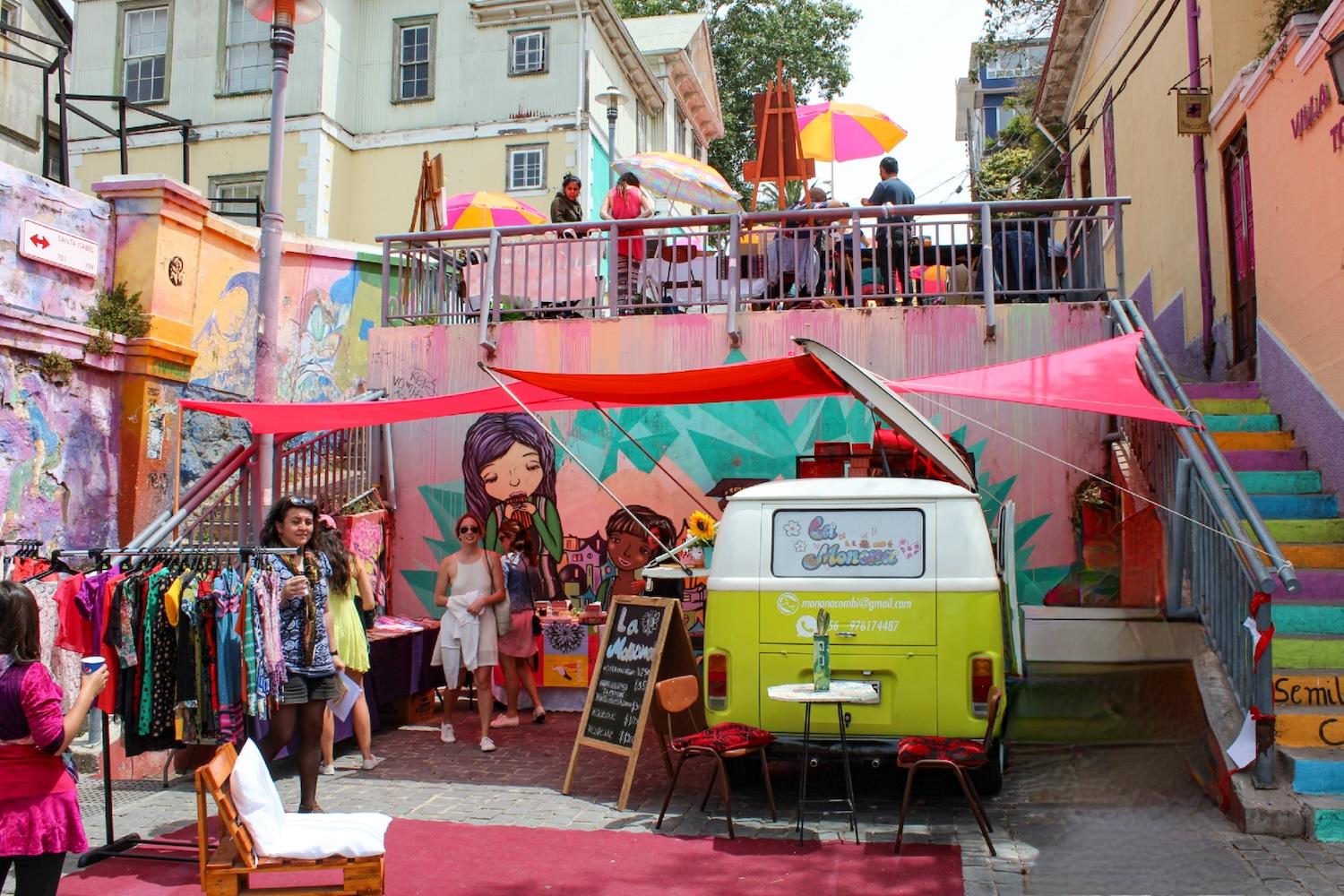
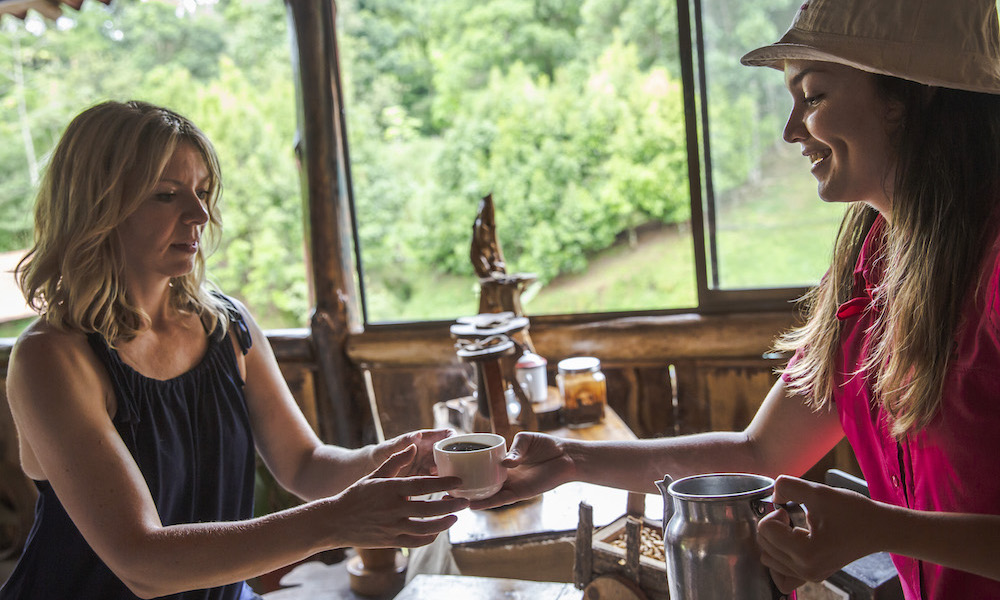
Book family‑run hotels, eat in neighbourhood cafés, and hire local guides. Each choice funnels income back to communities and preserves cultural integrity.
Slow down.
Spend longer in fewer places. You’ll reduce your emissions, deepen relationships, and allow destinations to breathe between waves of visitors.
Seek experiences that restore.
Join reef‑cleanup dives, plant trees with community cooperatives, or take tours that support cultural heritage projects. Ask operators how your participation helps—transparency is a hallmark of integrity.
Travel outside peak season.
Shoulder‑season visits lighten the load on fragile ecosystems and often lead to more personal, rewarding encounters.
Stay curious.
Learn the local context—its challenges, traditions, and hopes. Properties genuinely committed to regeneration will be eager to share what they’re doing and why it matters.
Cinthya Sopaheluwakan frames it as inner work as much as outer action:
“Travel isn’t just about exploring a place. It’s also about thinking carefully about how you show up in it. Many of us arrive in destinations with privileges that can place us in a position of power, especially in parts of the world where tourism shapes local economies. Being critically aware of that, as well as the history of destinations, can help travelers move through a place more intentionally and respectfully.”
Why This Moment Matters
Travel sits at a crossroads. We face a changing climate, disappearing species, and crowded icons that can no longer sustain unchecked visitation. But we also inhabit a moment of awakening, when more people than ever want to make their travels count for something good.

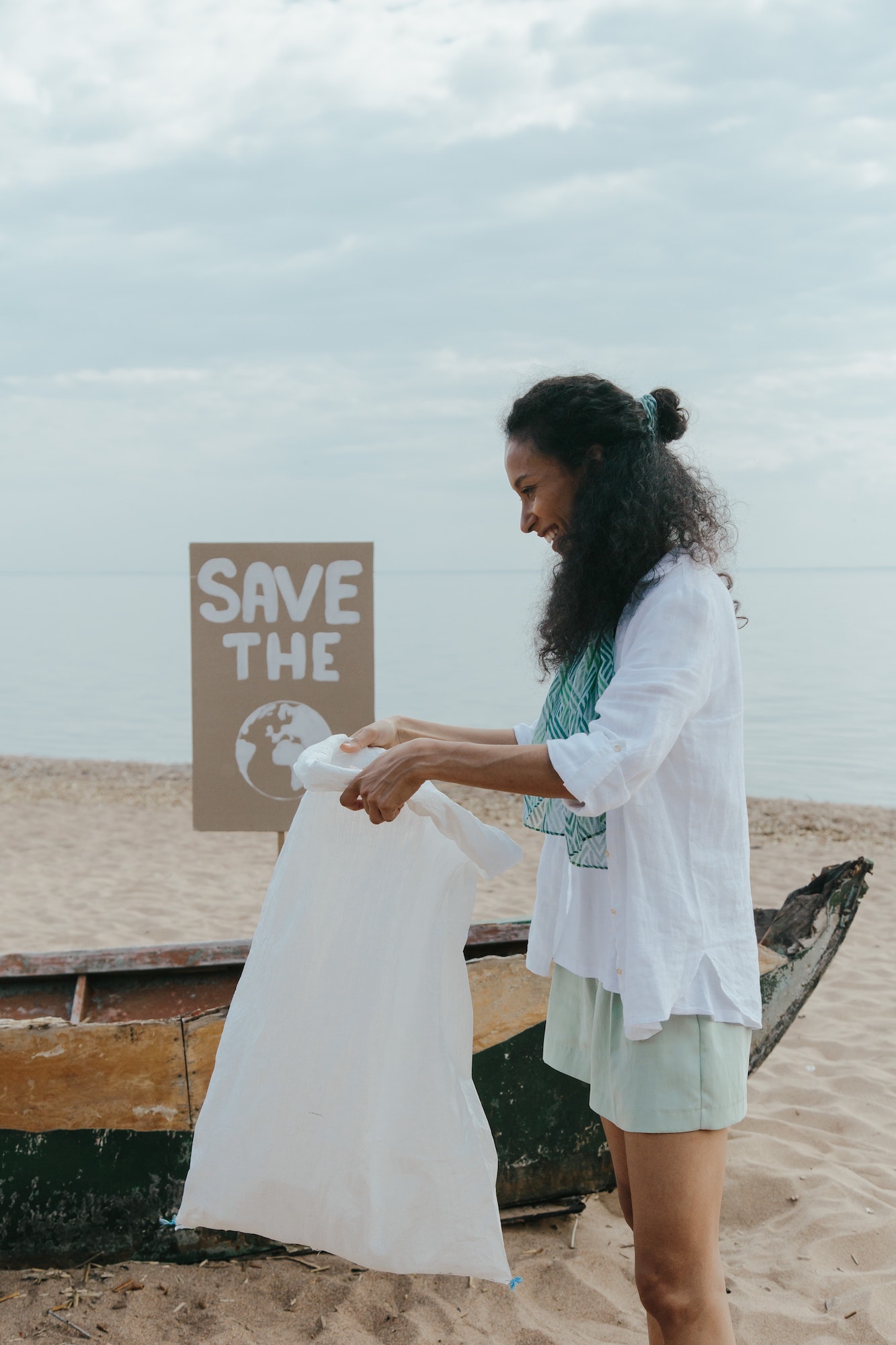

Surveys show that most travellers now say sustainability matters to them—and they want their spending to benefit local communities. They just need clear ways to act. That’s exactly where regenerative travel bridges the gap, turning intention into impact.
Regeneration reframes the role of the traveller—from consumer to collaborator, from guest to guardian. It reminds us that every choice, from which water bottle we carry to which business we support, contributes to a bigger story. Each step can either erode or enrich the places we love.
Nicole Melancon, reflecting on her Nepal journey, summarized it simply:
“Travel should leave a destination better, not just changed. Once you experience travel that connects you to people and supports their lives, it’s hard to go back.”
The places pioneering regeneration—Queenstown, Ljubljana, Copenhagen, Costa Rica—offer a vision of what’s possible: thriving communities, revitalized ecosystems, and travel that restores our faith in exploration itself.
The shift won’t happen overnight, but it is already underway, powered by travellers who see themselves as part of something greater.
The future of travel will be defined not by where we go, but by how we go. With every mindful journey, we can help move the world from extraction to renewal—one trip, one connection, one footprint turned into something green again.

Jane Felice brings a background in marketing and communications across startups, enterprises, and nonprofits, including the Sierra Club and Better Food Foundation.
Her work at the intersection of food systems, regeneration, and storytelling helps organizations make a meaningful impact.
Connect with Jane on LinkedIn

Barbara M. West specializes in designing and scaling global, impact-driven initiatives across travel and sustainability sectors.
Her work building operational systems, partnerships, and international programs helps organizations deliver meaningful outcomes.
Connect with Barbara on LinkedIn