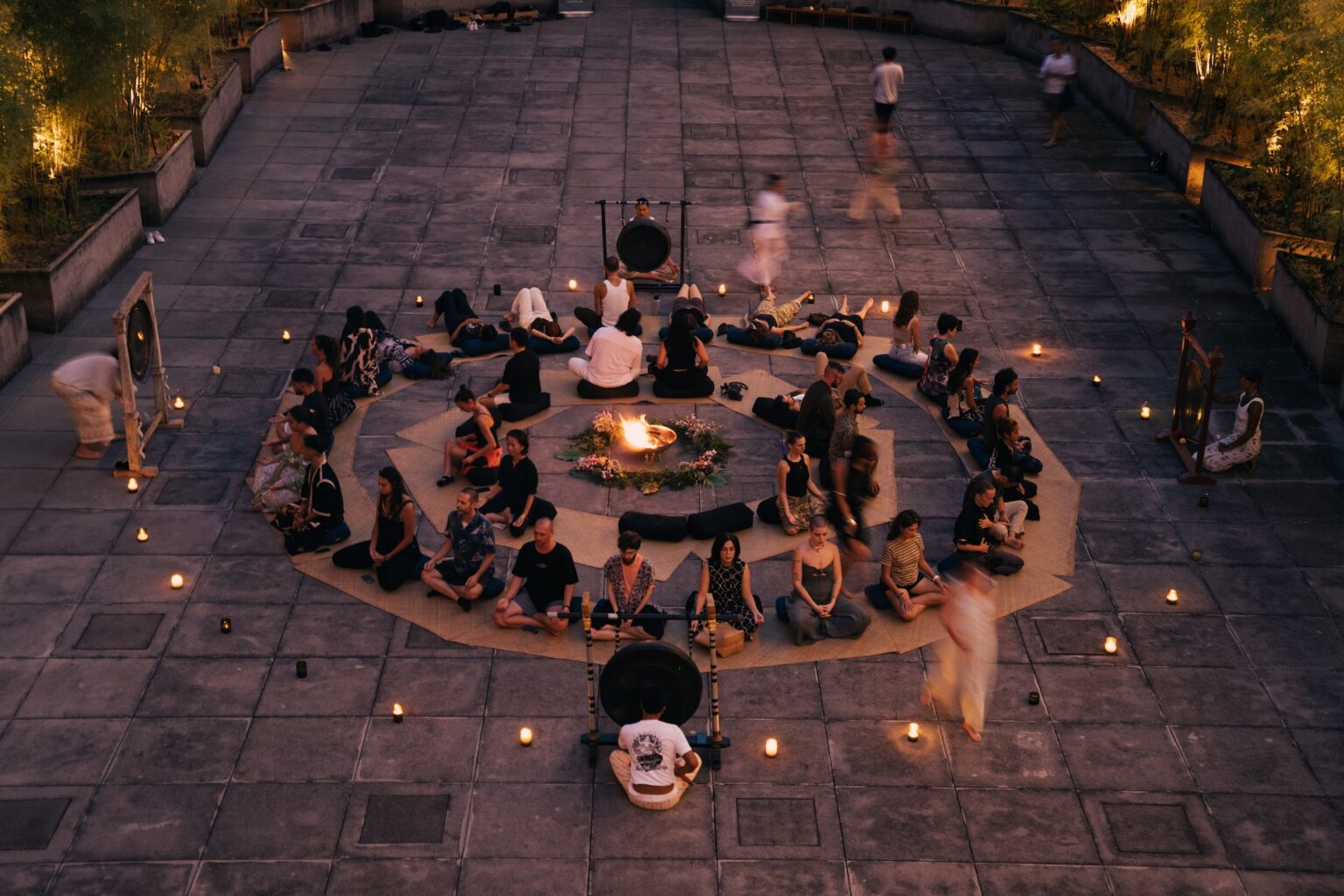
There’s a moment, often somewhere between movement and stillness, where wellness stops feeling like something you’re doing and starts becoming something you understand.
Not intellectually, not all at once, but slowly. Through repetition, through sensation, through place.
This is the space that Desa Potato Head Bali has long been exploring. And this year, it’s taking that exploration further—back through time, across cultures, and into the origins of the practices many travellers now seek out.
Launching in 2026, Merasa Origins is a three-part immersive series designed not just to introduce wellness practices, but to trace where they come from, how they evolved, and why they still matter.
Wellness You Feel Before You Understand
The word merasa in Indonesian means “to feel,” and that distinction is intentional.
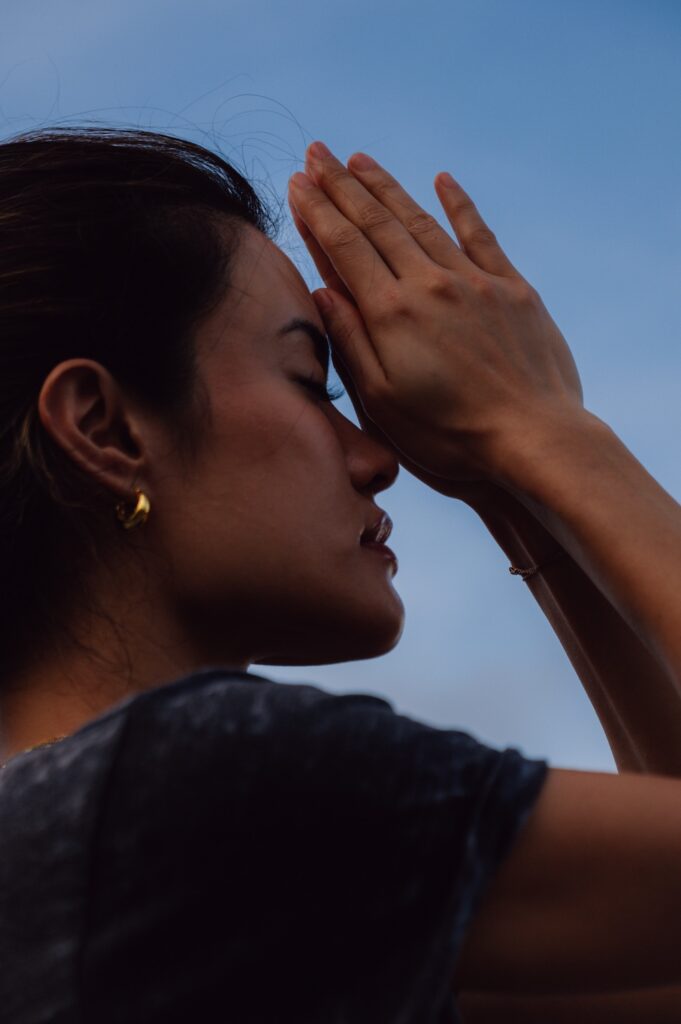
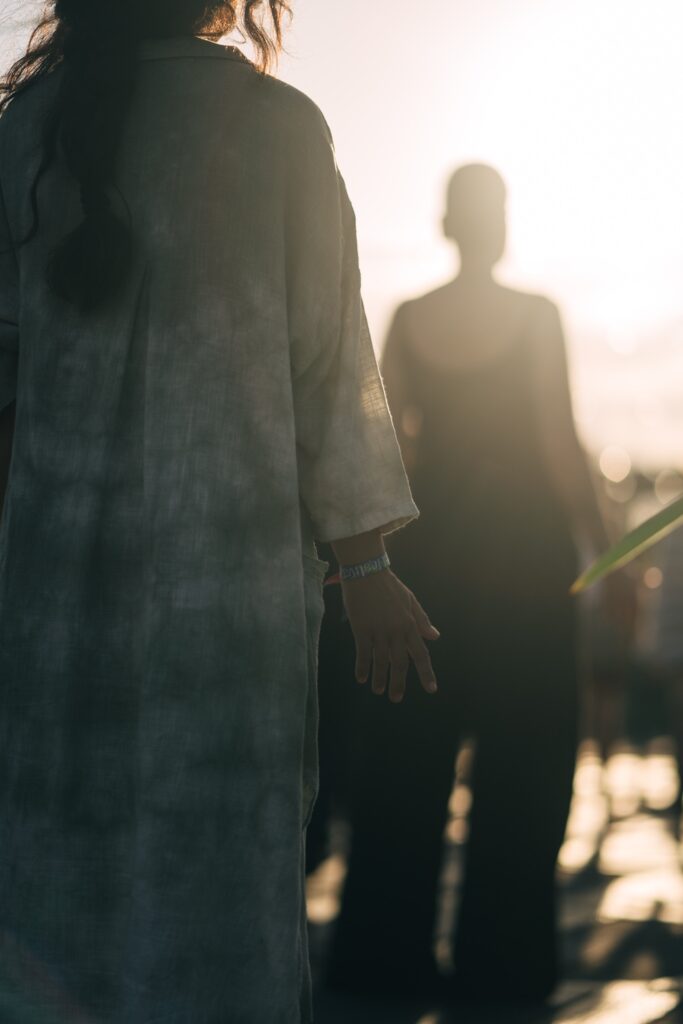
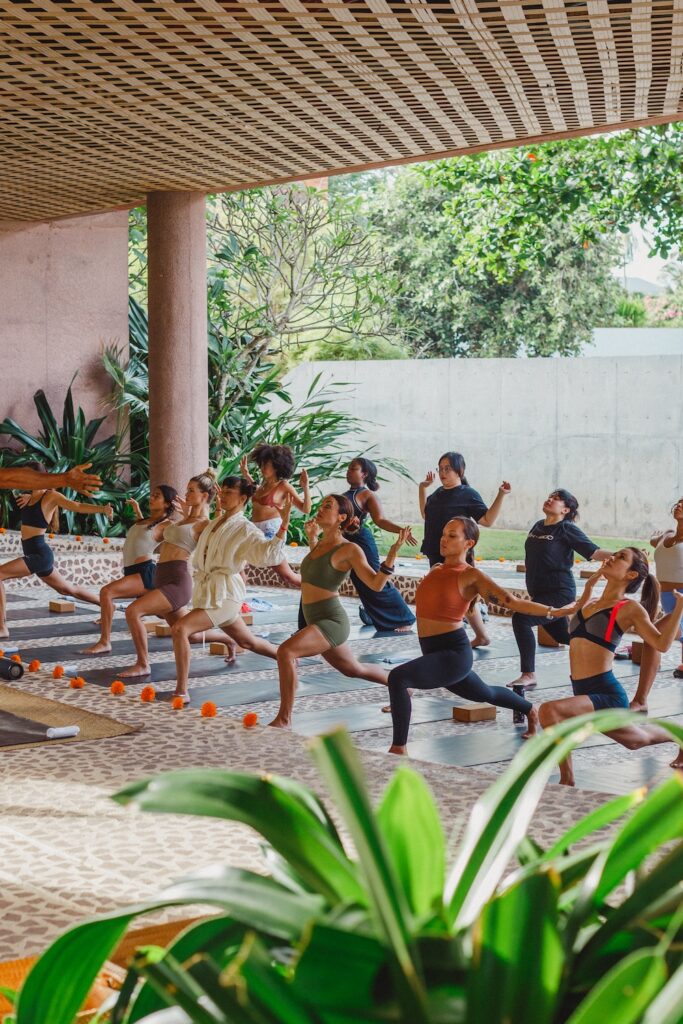
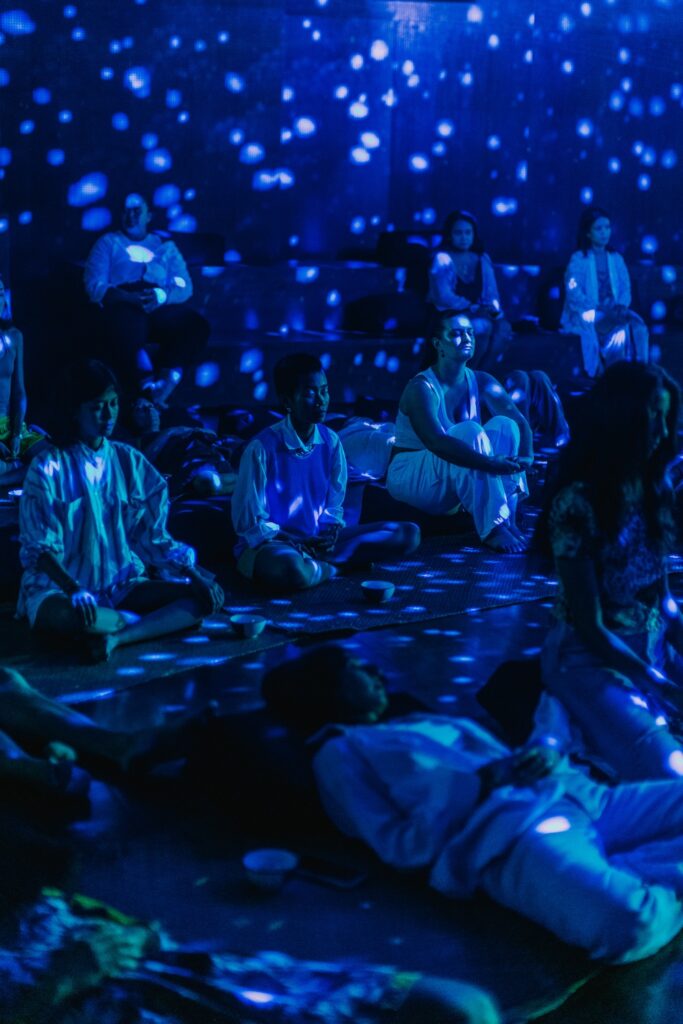
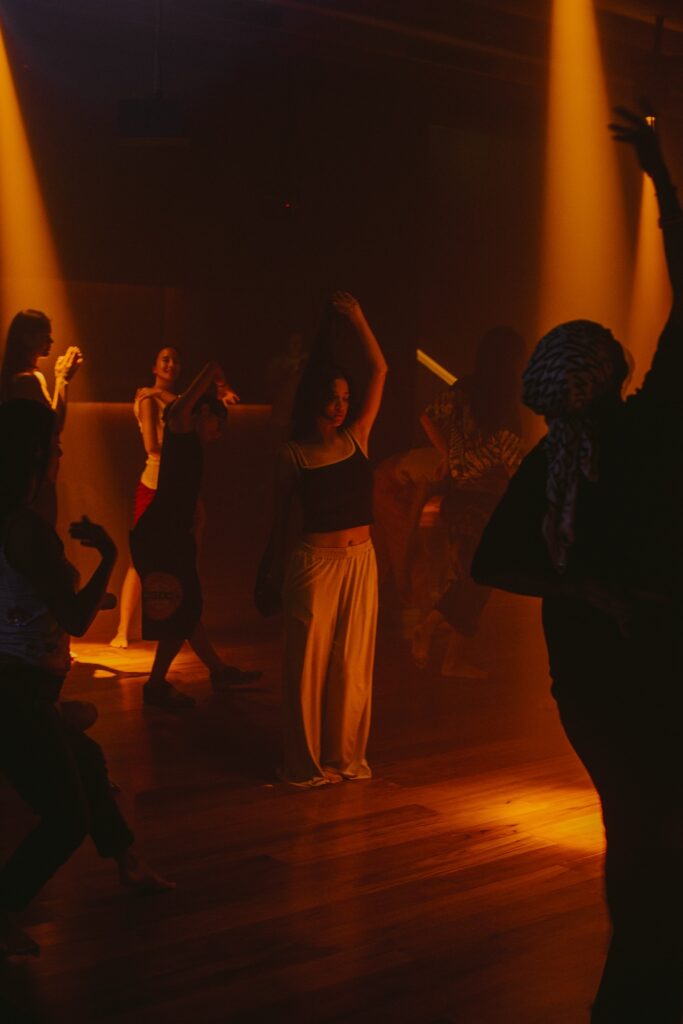
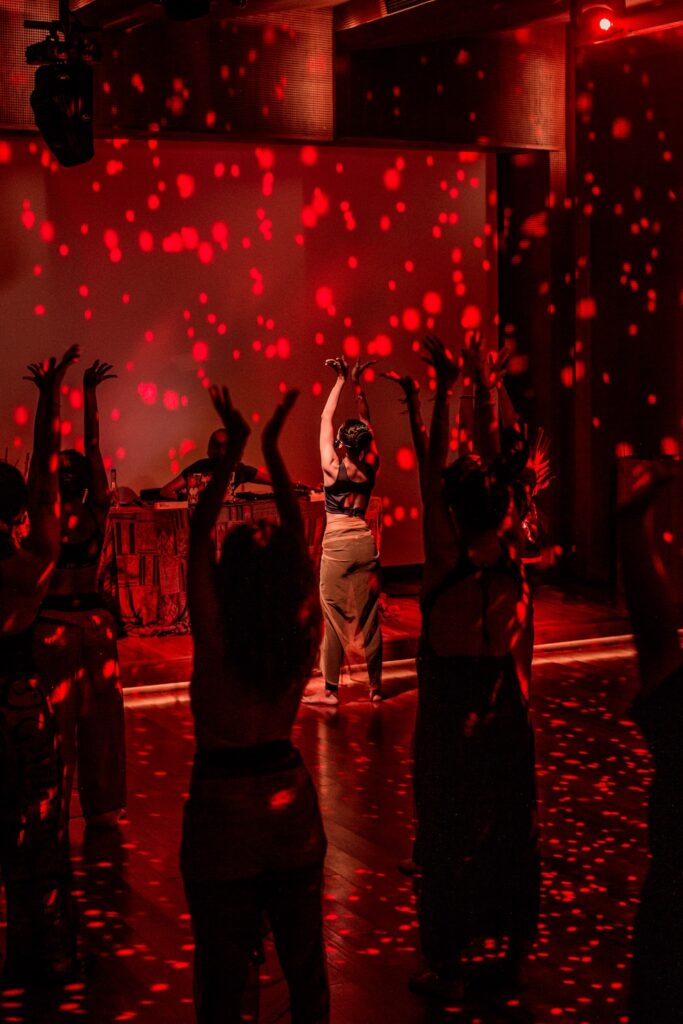
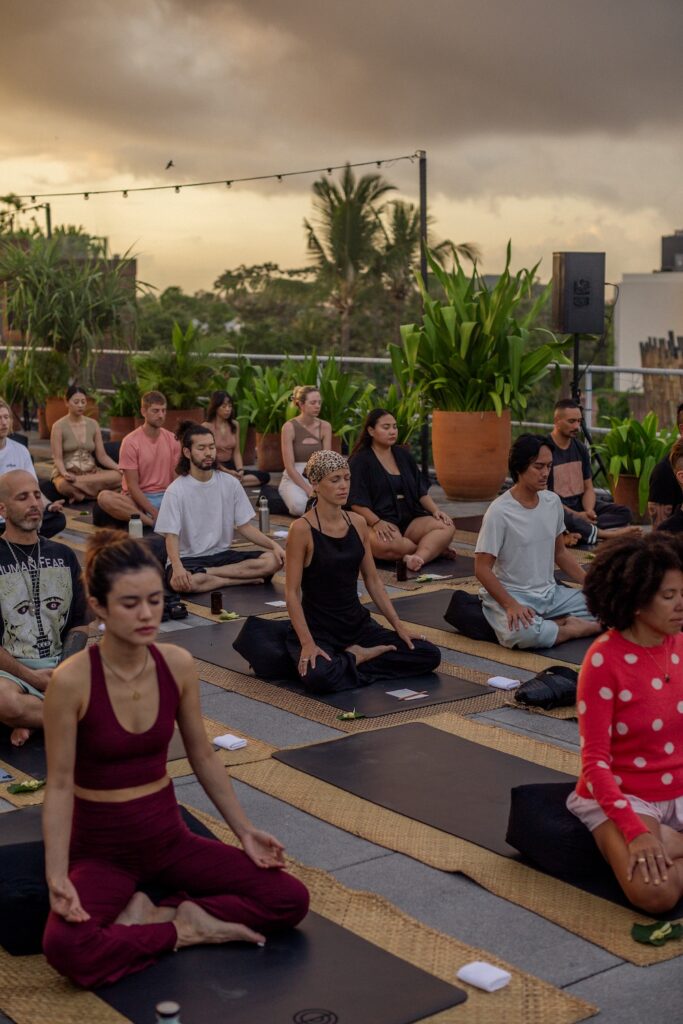
At Desa Potato Head, wellbeing isn’t presented as a checklist or a schedule to perfect. It’s something lived into, something that unfolds gradually as you move through your day. A sunrise meditation might give way to a high-energy workout. A workshop might soften into a sound immersion. There’s no rigid structure, only a rhythm.
Merasa Origins builds on this philosophy, inviting guests to go deeper—not by adding more, but by returning to the source.
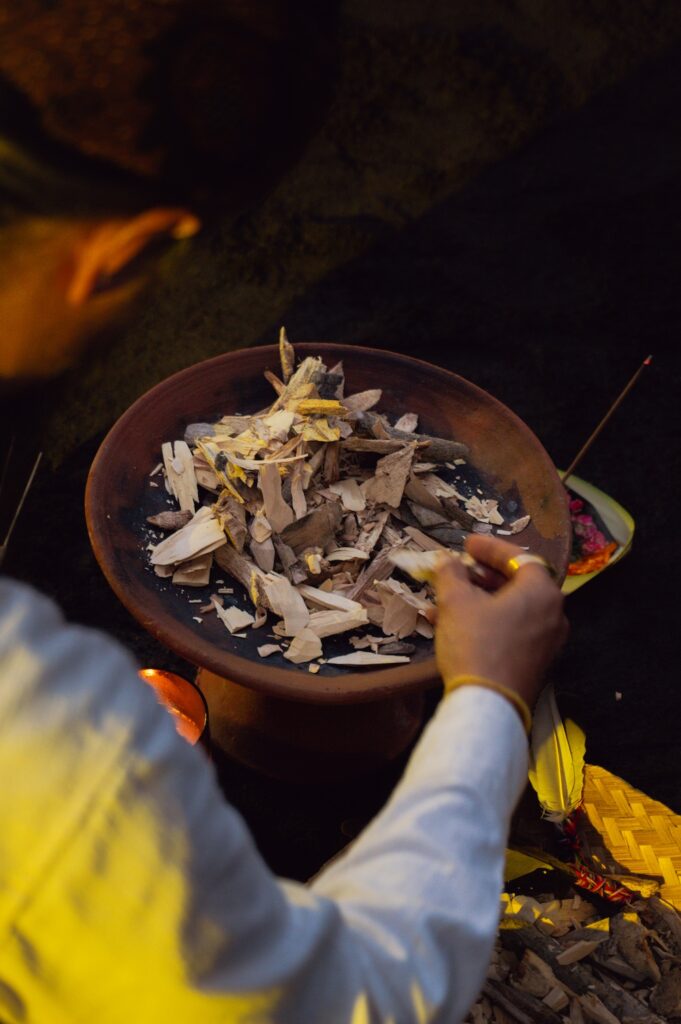
Rather than isolating practices such as yoga, breathwork, or traditional therapies, the series situates them within the systems from which they came. The result is less about sampling and more about understanding how these elements connect.

A Journey Across Cultures and Centuries
The series unfolds across three distinct immersions throughout 2026, each rooted in a different point along a cultural and philosophical lineage stretching from India to Indonesia.
It begins in June with India: Beginning with Balance, a four-day immersion centred on Vedic knowledge—the foundation for practices such as yoga and Ayurveda, and one of the earliest explorations of the relationship between body, mind, and the wider universe.
Guided by Reema Datta, the experience draws on both classical philosophy and personal lineage, offering a perspective that is as lived as it is taught. The emphasis here is not just on movement, but on the principles that underpin it—balance, awareness, and alignment in a broader sense.
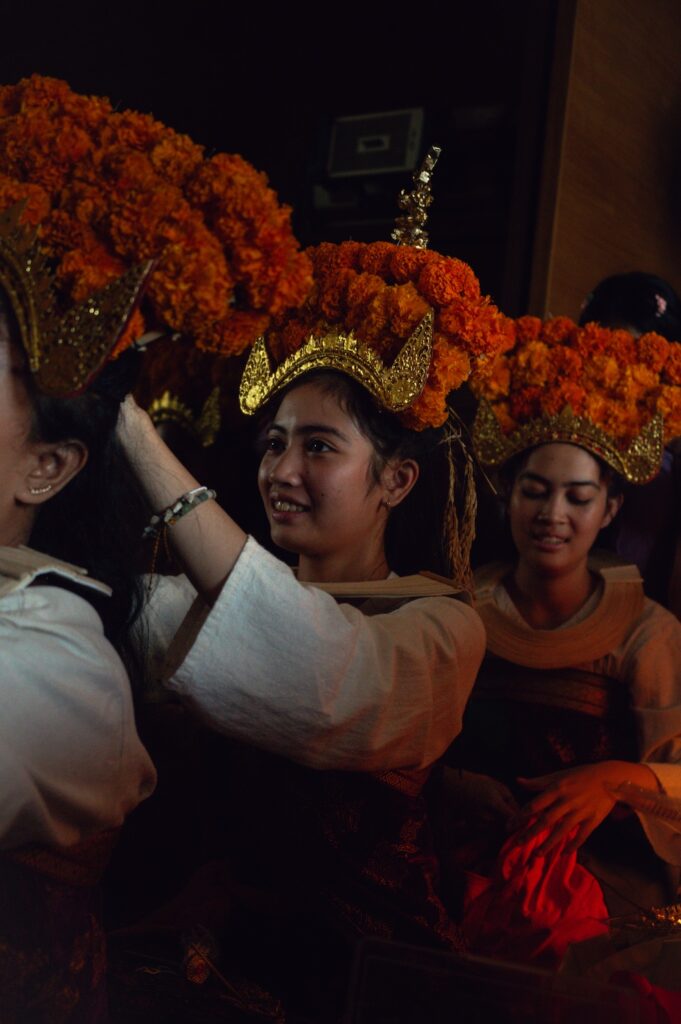
From there, the journey continues to Java in September, where these ideas historically merged with Buddhist teachings and local belief systems, forming something entirely new. By the time the series reaches Bali in November, participants encounter a fully integrated expression of this lineage—one that has been woven into daily life for centuries.
What emerges is a layered understanding of wellness, shaped not by a single tradition, but by movement across cultures, geographies, and time.
Immersion as Integration
Each chapter of Merasa Origins takes place over four days and three nights, unfolding with a clear, intentional arc.
There is a beginning—an activation of body and attention. A middle—where philosophy, practice, and reflection deepen. And an end—not a conclusion, but a kind of integration, where the experience begins to settle into something more personal.
Crucially, everything happens within the same environment. Accommodation, programming, and shared spaces are all part of the same ecosystem, allowing for continuity rather than interruption. There’s no stepping in and out of the experience—it holds you, gently, from start to finish.
This continuity mirrors the philosophy itself: wellness not as a series of disconnected moments, but as something cumulative.
A Different Kind of Wellness Travel
For many travellers, Bali has become synonymous with wellness. Yoga retreats, spa rituals, plant-based cuisine—it’s all here, and often beautifully done.
But what Merasa Origins offers is something slightly different.
It steps away from the surface-level experience and asks a quieter question: where did all of this come from?
In doing so, it reframes wellness not as a modern trend, but as an ongoing cultural dialogue. Practices that are often packaged for global audiences are returned to their context—rooted in place, shaped by history, and carried forward through generations.
For travellers who are curious, who want more than just the experience itself, this kind of depth changes the way everything lands.
The Setting: A Village Built on Creative Living
That this series takes place at Desa Potato Head is intentional.
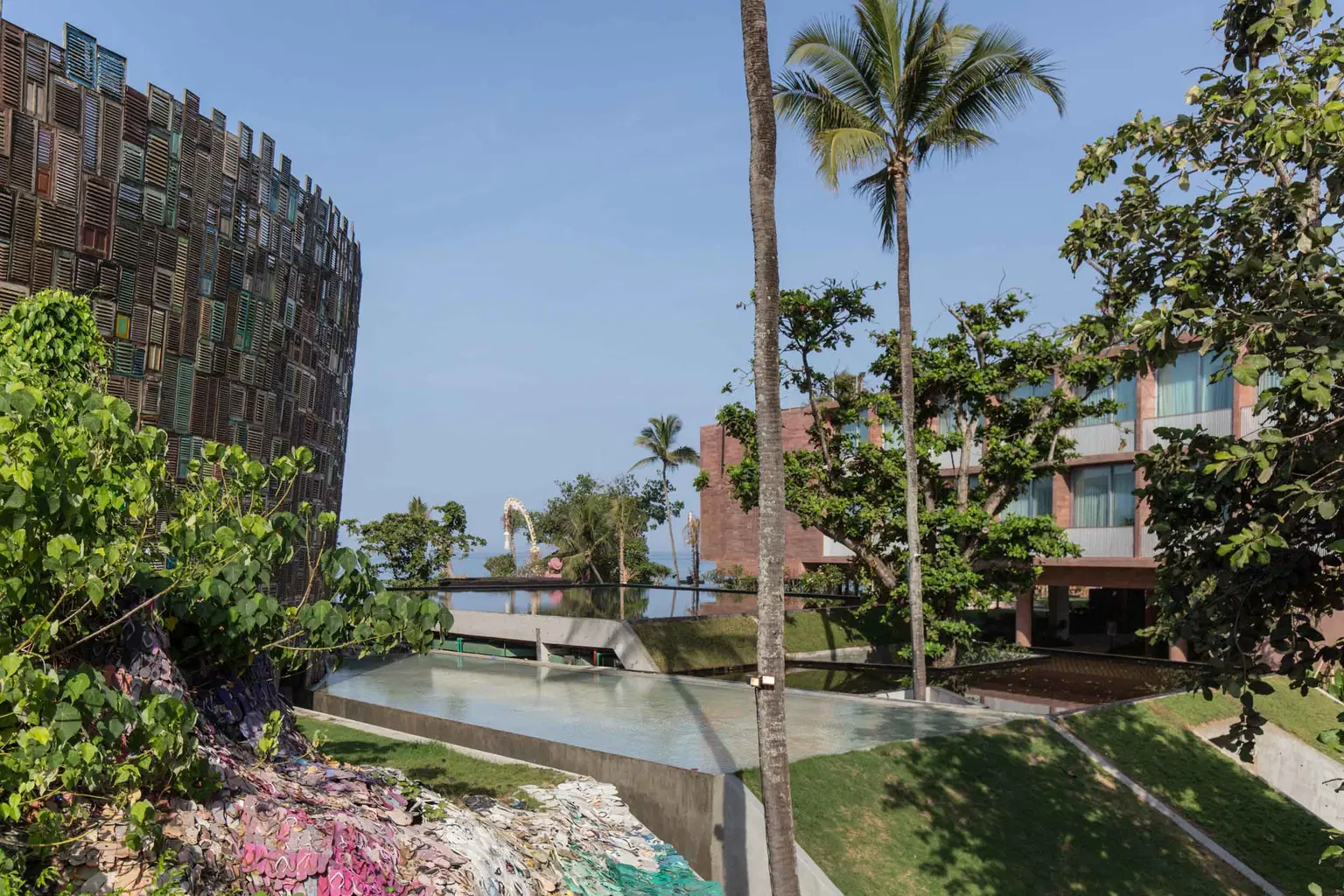
Since opening in 2010, the brand has positioned itself as more than a hotel or resort. It’s a creative village—part cultural hub, part design-forward retreat, part social space—where music, art, food, and sustainability intersect.
The property itself spans suites and studios, restaurants and beach spaces, sculpture gardens, and performance venues. It’s vibrant, layered, and deeply connected to its surroundings. Recognition as one of the World’s 50 Best Hotels in recent years only underscores what’s already felt on the ground.
And yet, despite its scale, there’s an intimacy to how experiences are designed. A sense that everything is part of a larger idea, rather than a collection of amenities.
Merasa Origins fits naturally into this environment—another expression of the same philosophy that underpins the Desa as a whole.
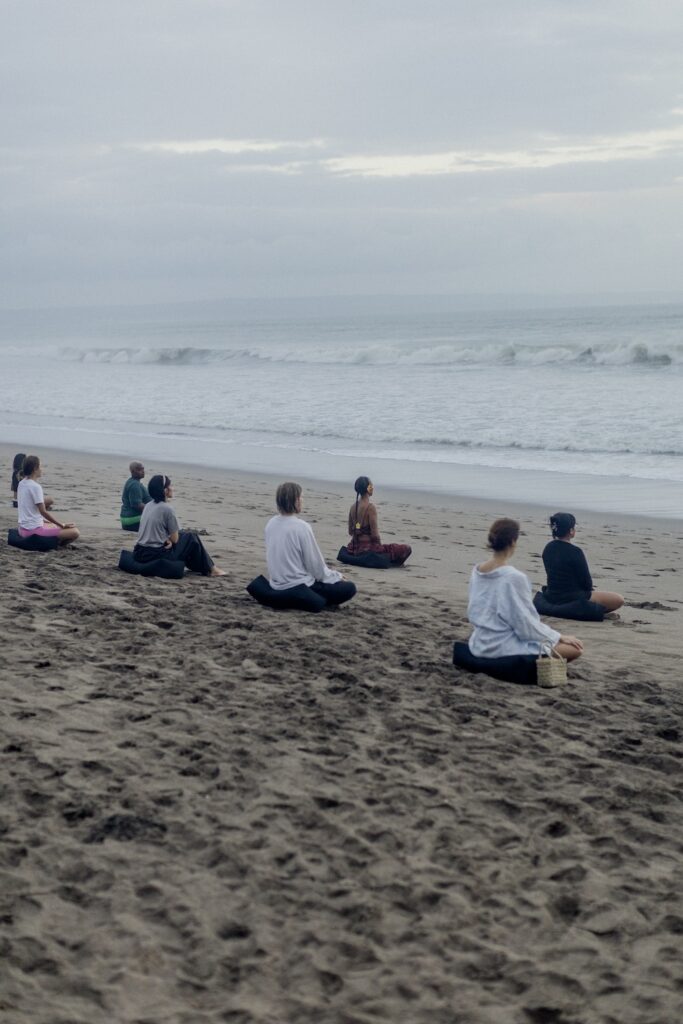
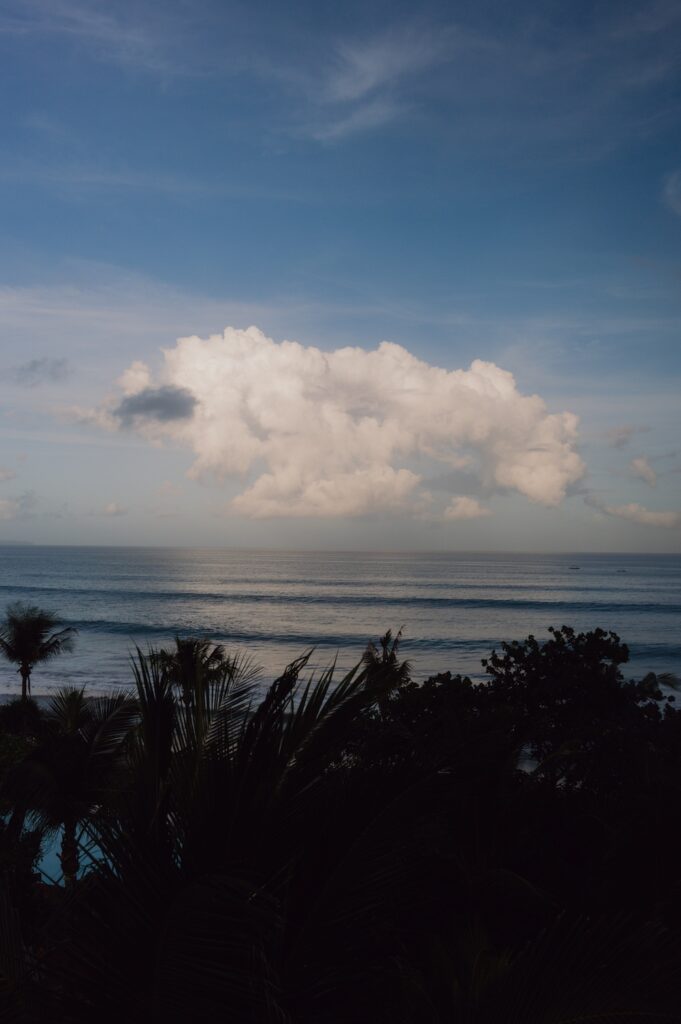
Returning to the Source at Desa Potato Head
Wellness, at its best, has never been about perfection.
It’s about awareness. About connection. About the subtle shifts that happen when you give yourself the space to notice.
What Merasa Origins offers is not a reinvention of these ideas, but a return to them. A way to step back from the noise of modern wellness culture and reconnect with something quieter, older, and more enduring.
Not something to master, but something to feel. And perhaps, over time, something to understand.
Photo credits to Desa Potato Head