By Martyn Bould
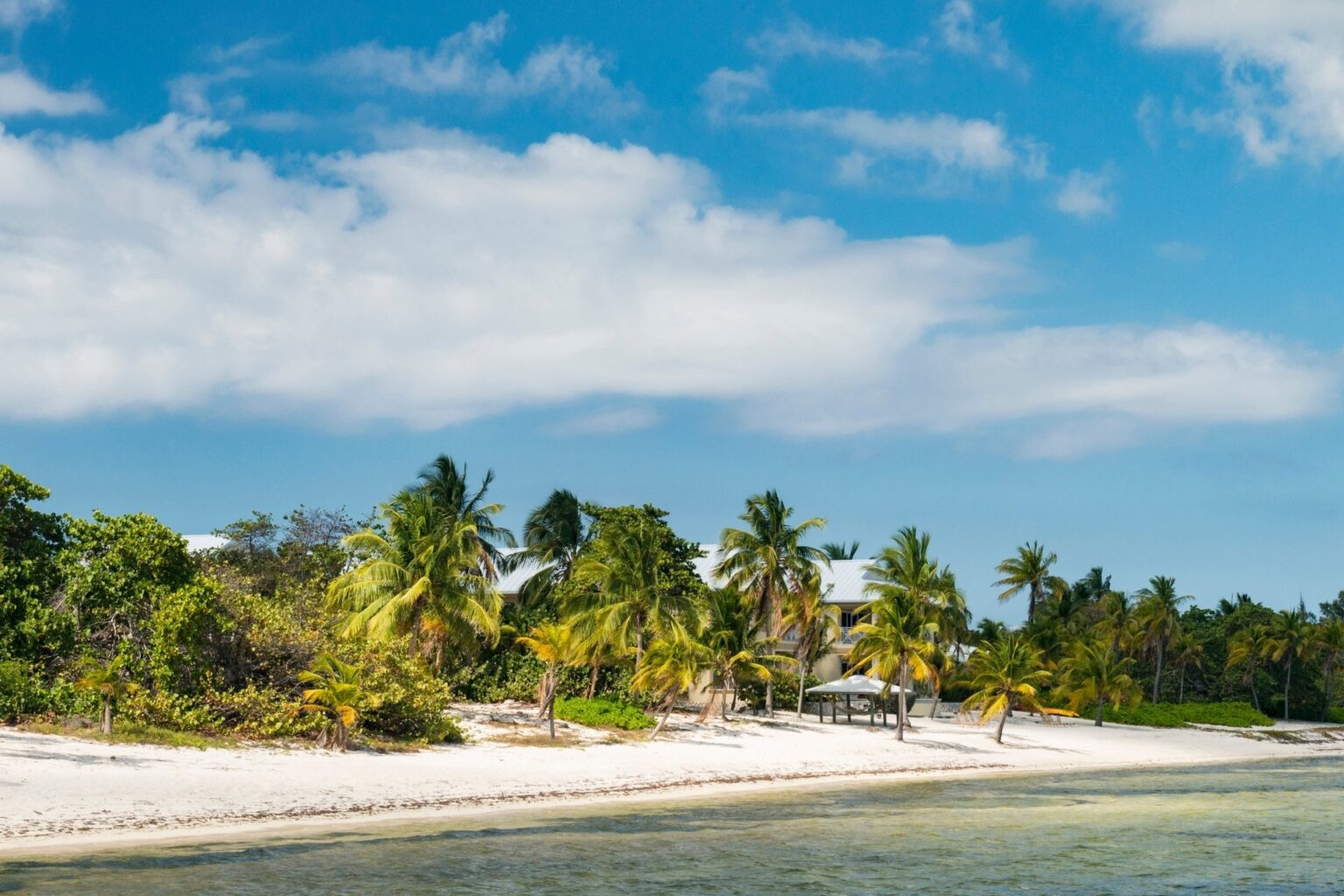
I grew up in a family of farmers and tradesmen in the Midlands, UK. When I first arrived in the Cayman Islands in 1969, I thought I was moving for work. In reality, I was beginning a lifelong education in culture, community, and the quiet ways a place shapes the people who call it home.
As a small island of some 10,000 inhabitants at the time, Cayman was beset by the challenges of a limited labour force and had to import all its materials for any construction project. I was charged with carefully analyzing the many risks involved in the development process and managing each to ensure the successful completion of a project on time, within cost, and to quality standards.
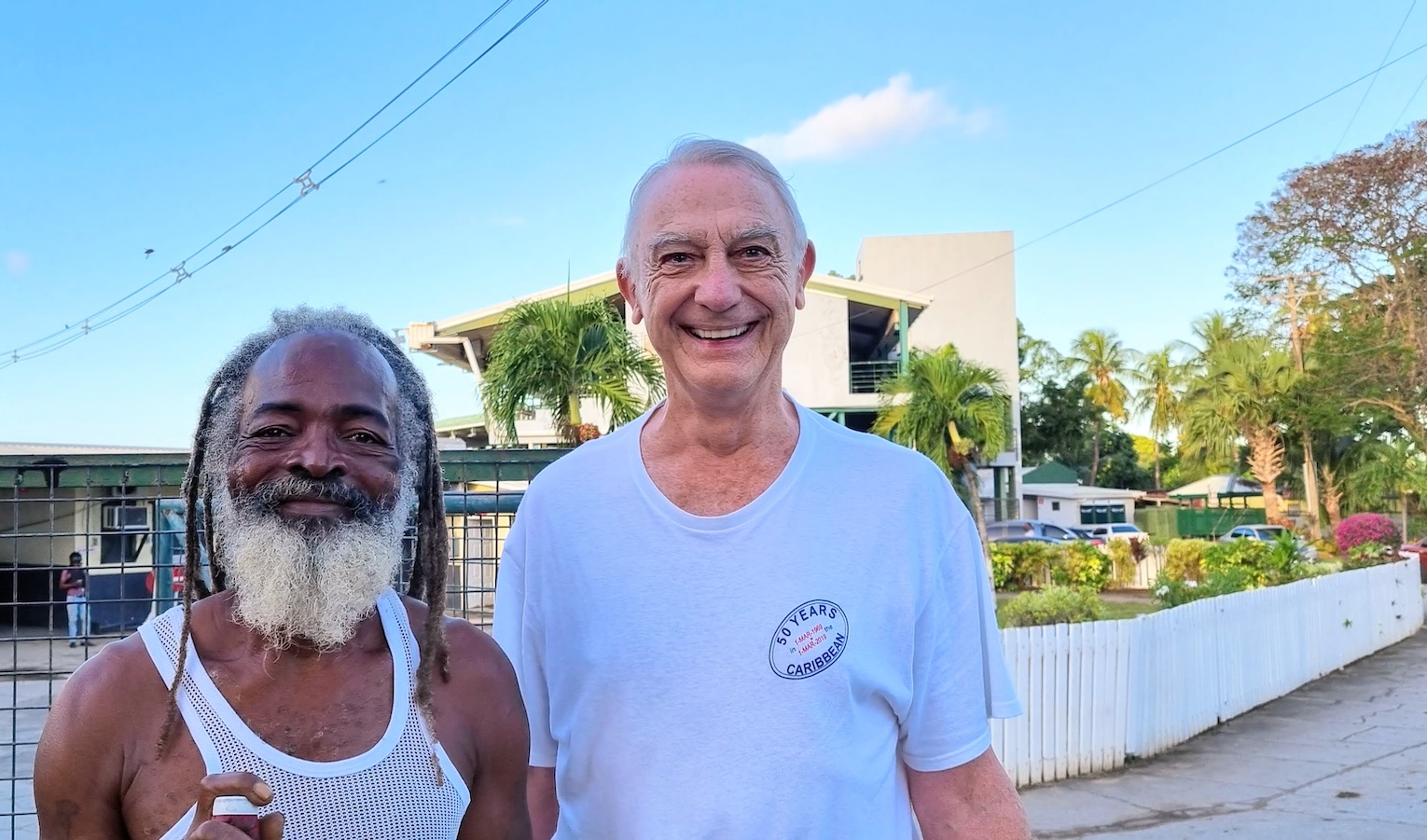
What quickly became clear was that life in Cayman could not be understood through business alone. To truly live and work there meant understanding how people gathered, celebrated, spoke, worshipped, and cared for one another. Sometimes, simply an inflection or look provided the difference between yes, meaning yes, or exactly the opposite.
The Caribbean region was first populated with the Arawak people’s migration out of the Amazon basin. The more aggressive and warlike Caribs followed and were the likely inhabitants when Columbus arrived. When gold was discovered in South America, a period of piracy followed, with attacks on ships carrying the gold back to Europe.
Then came the importation of tea and coffee to the UK and Europe. The need to sweeten these popular new drinks led to sugarcane plantations throughout the Caribbean—and the slave trade to harvest the cane. After slavery was abolished, indentured workers were imported to continue sugar production. Labour unions followed and, in turn, gained independence. The initial governments were led by the trade unionists.
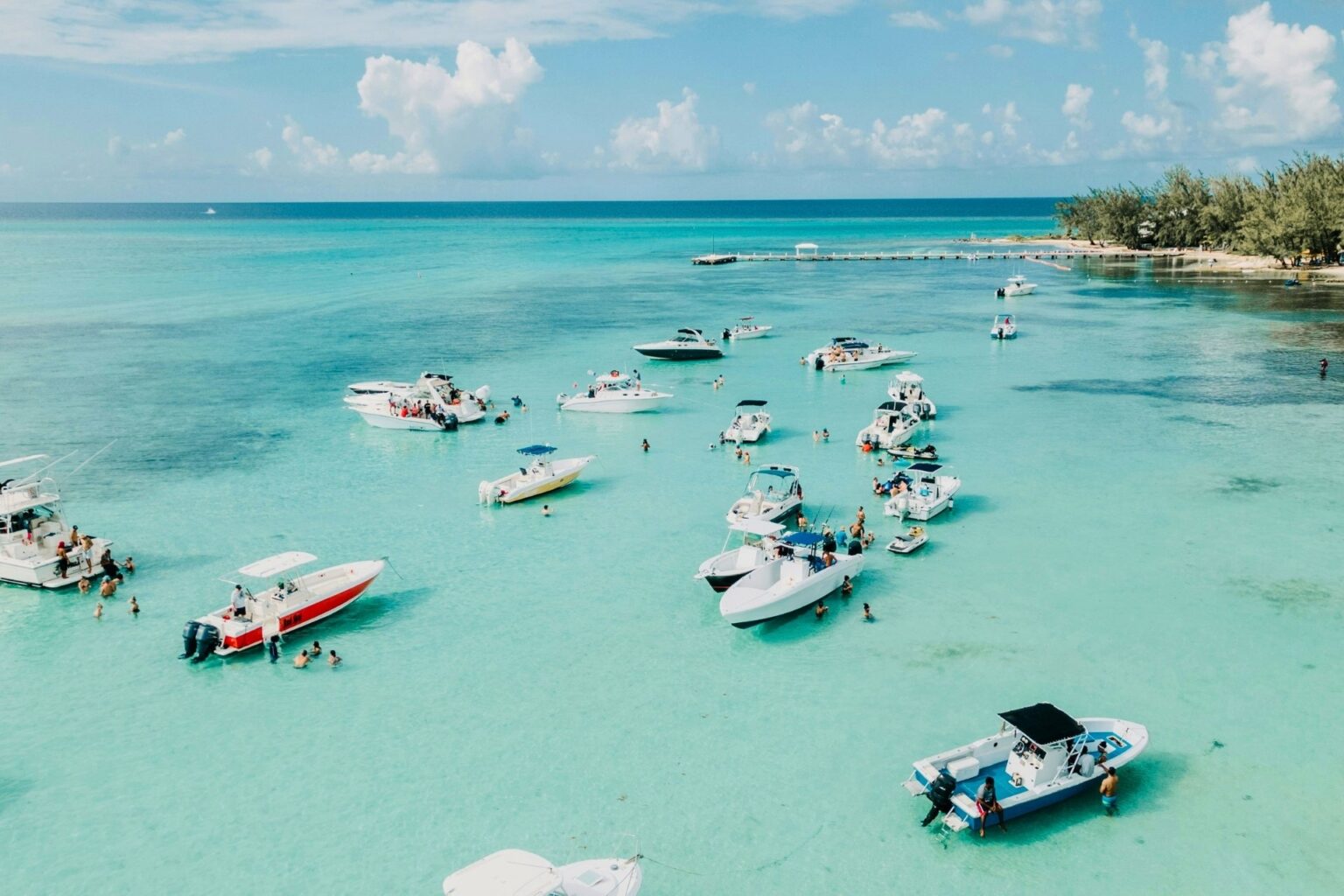
Against the background of these events in the Caribbean, Cayman had slaves but no significant plantations. The men earned a living by going to sea—initially to harvest turtles and then as merchant seamen. Because the men were frequently gone for six months or more, the society developed into a matriarchy.
Women remained on the island and made thatch rope to supplement their income. Homes were built piecemeal when the men returned home with funds from their sea travels. Once they’d depleted their earnings, they returned to sea until they earned enough to continue the next stage of construction.
The combination of being self-reliant and seeing many parts of the world—and how good or bad they were—led the Caymanians to become a breed that was very different from their Caribbean neighbours. In the 1960s, many Caribbean islands were shaking off the shackles of colonialism and becoming independent nations.
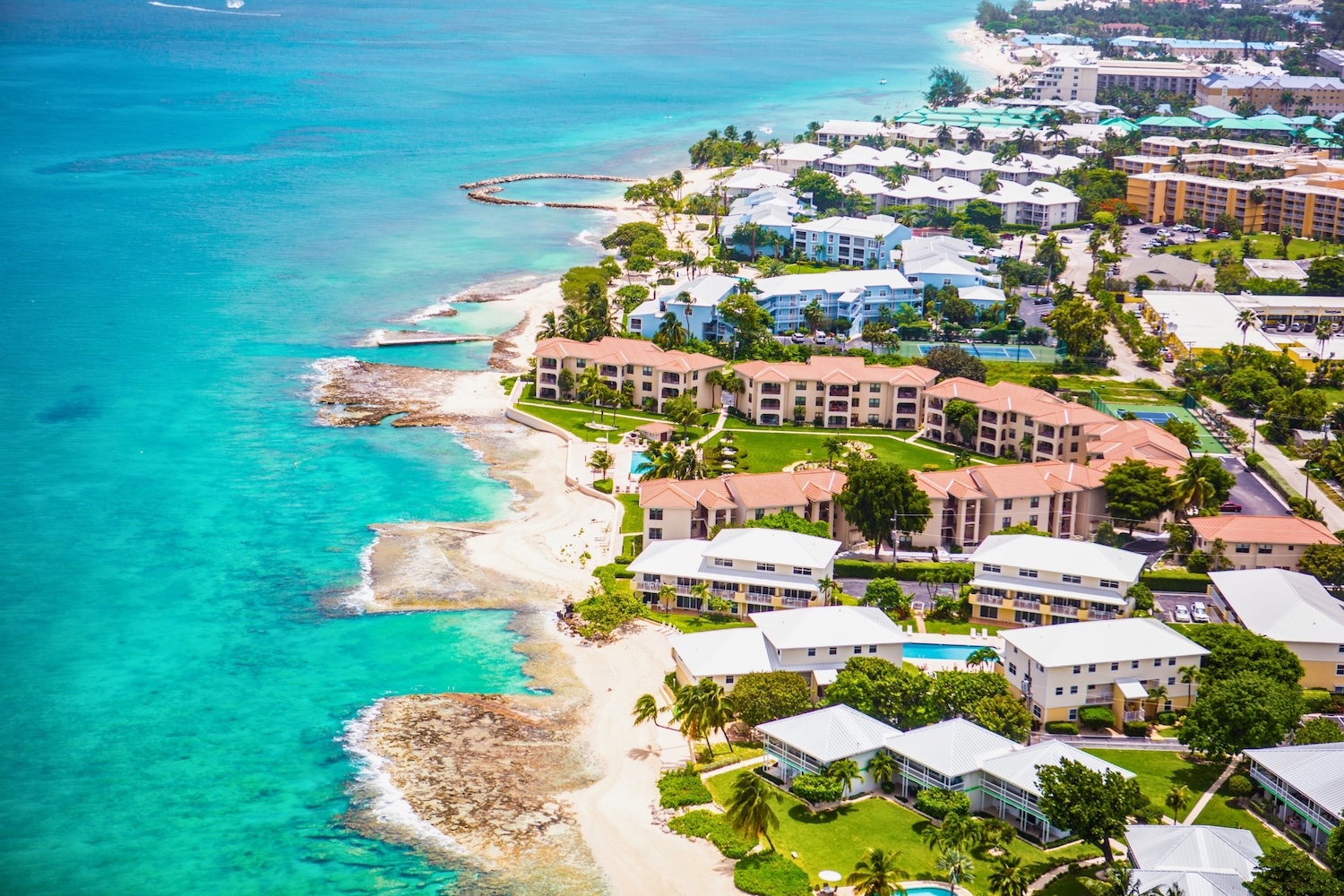
But Cayman decided to remain under the protection of the Crown and, in 1965, established its Trust and Banking Laws. Cayman earned a rating as the world’s fifth-largest money depository. This subsequently led to a rise in population, currently to some 90,000.
Today in Cayman, we enjoy a “twin pillar” economy of financial services and tourism. The need to import labour to manage these two industries has led to a smaller ratio of Caymanians to imported labour on the island. As a result, the island is home to some 130 different nationalities.
My construction activities have involved developing a theatre and cultural campus, made possible by the philanthropic largesse of Helen Harquail, who wanted the complex developed in memory of her late husband.
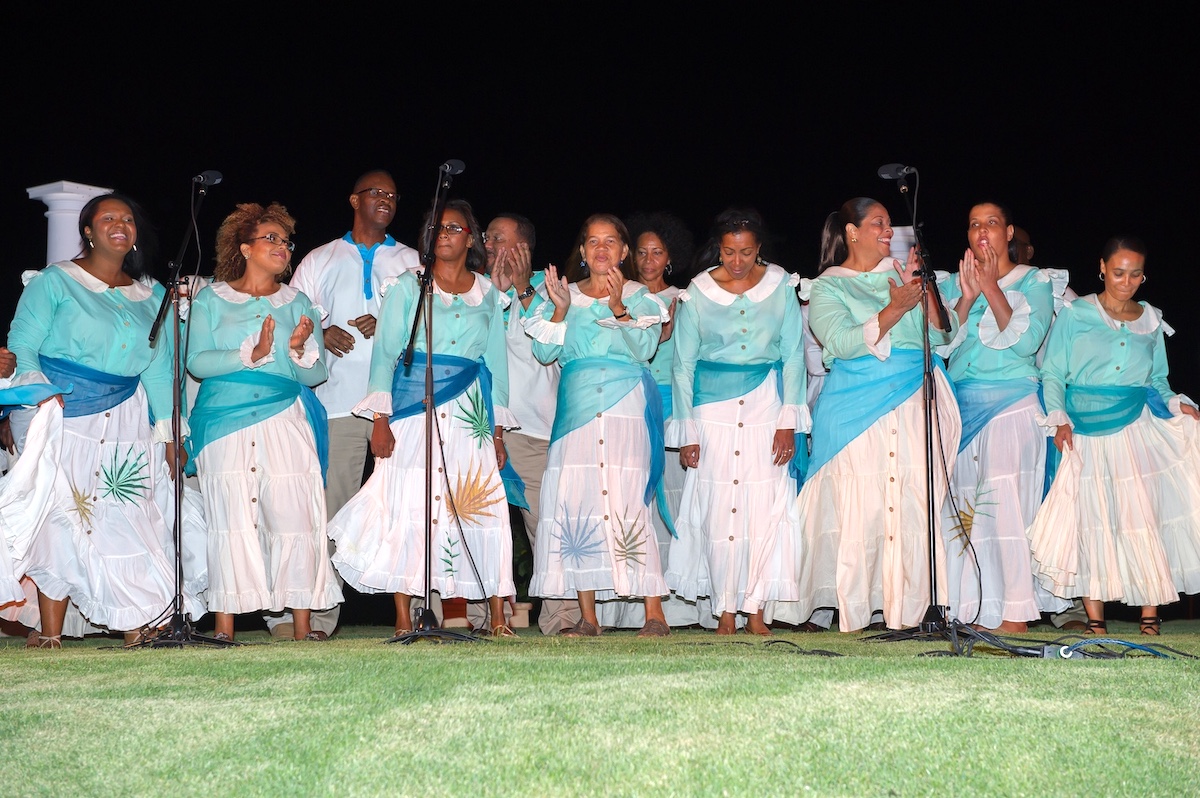
Not having experience in the construction of theatres, and to ensure that it was a job well done, I sought out suitable international advisers. They carried out a detailed analysis of our requirements and then of the theatre’s development, which led to the formation of the Cayman National Cultural Foundation.
Once the project was successfully completed, I was asked to serve on the foundation’s board as Deputy Chairman in 1984. I served on the board for the next 38 years, including 27 years as Chairman.
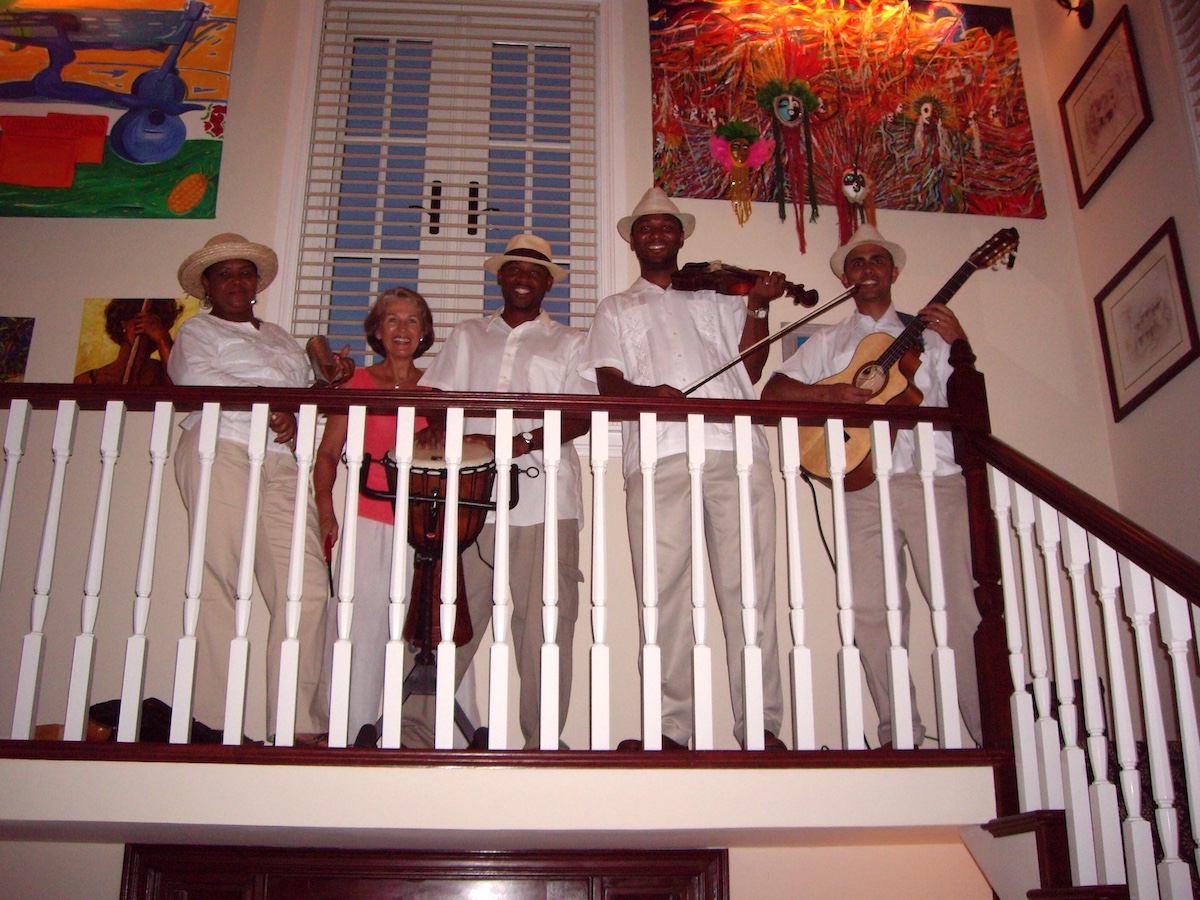
To secure social stability amid the tremendous mix of nationalities, Caymanians emphasized exploring and nurturing their own heritage and culture. The Cayman National Cultural Foundation developed more than 120 different programs involving storytelling, visual arts, food, dance, fashion, photography, drama, playwriting, and more. This has led to a thriving cultural scene on the island, bringing both pride and self-assurance to our community.
I feel both honoured and humbled to be considered a “Son of the Soil” by senior members of the Caymanian society. Journeying through life requires intimate interaction with our fellow human beings. Learning from others about how they live, survive, and enjoy life teaches us much about what is really important in life.
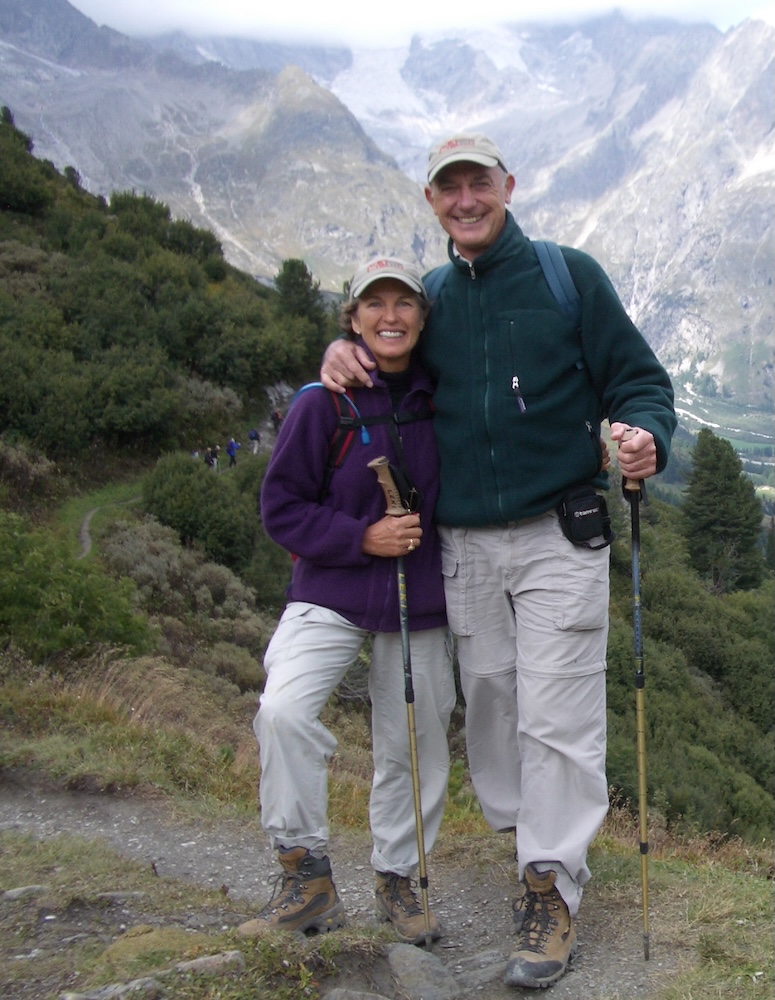
Martyn Bould is a highly successful entrepreneur based in the Cayman Islands. He is a founding member of the Cayman National Cultural Foundation and the National Gallery of the Cayman Islands. He was honoured by Queen Elizabeth II in 2012 for services in preserving and developing Caymanian culture, and by the Cayman Islands Government in the 2025 Heroes’ Day Awards as a Legacy Builder for laying the groundwork for future economic development since 1970. His memoir, More than Just the Climb: Life’s Lessons Well Learned (Unicorn, Nov. 24, 2025), weaves his personal journey alongside the transformation of the Cayman Islands.