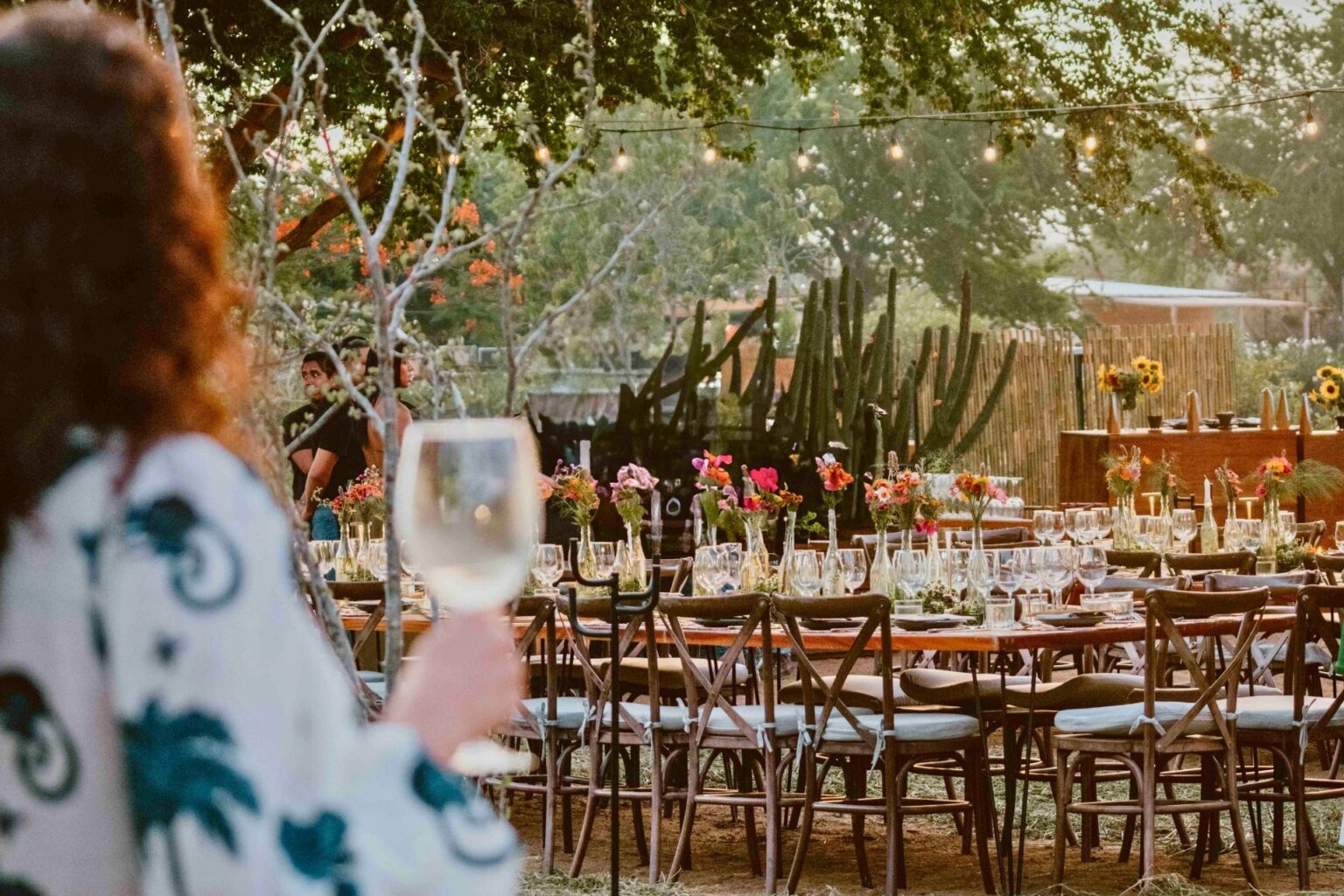
Luxury travel is finding fresh inspiration in the countryside, where working gardens, regional cuisine, and hands-on experiences bring you closer to the land.
By Kristina Smith
Luxury travel has long been defined by what a destination can provide: exceptional service, beautiful accommodations, and experiences carefully arranged from arrival to departure. Those things still matter, but we increasingly want something beyond the comforts of a five-star stay. We want to know where our food comes from, spend time in nature, and connect with the places we visit in ways that feel genuine.
Agritourism itself is hardly new. Farmhouses, vineyard stays, and rural guesthouses have welcomed travellers for generations. What’s changing is how these experiences are being incorporated into luxury hospitality, where a working garden or an introduction to beekeeping can become as memorable as the accommodation itself.
From Mexico to Mallorca and the rolling hills of Pennsylvania, three properties are offering their own interpretations of what it means to get closer to the land.
Acre Resort | Los Cabos, Mexico
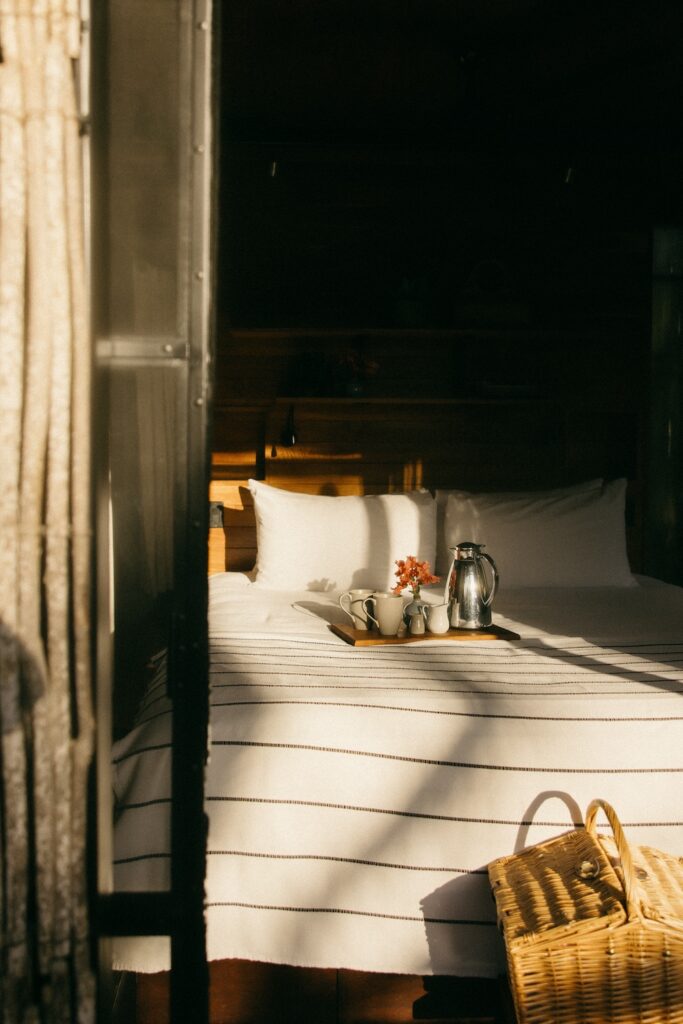
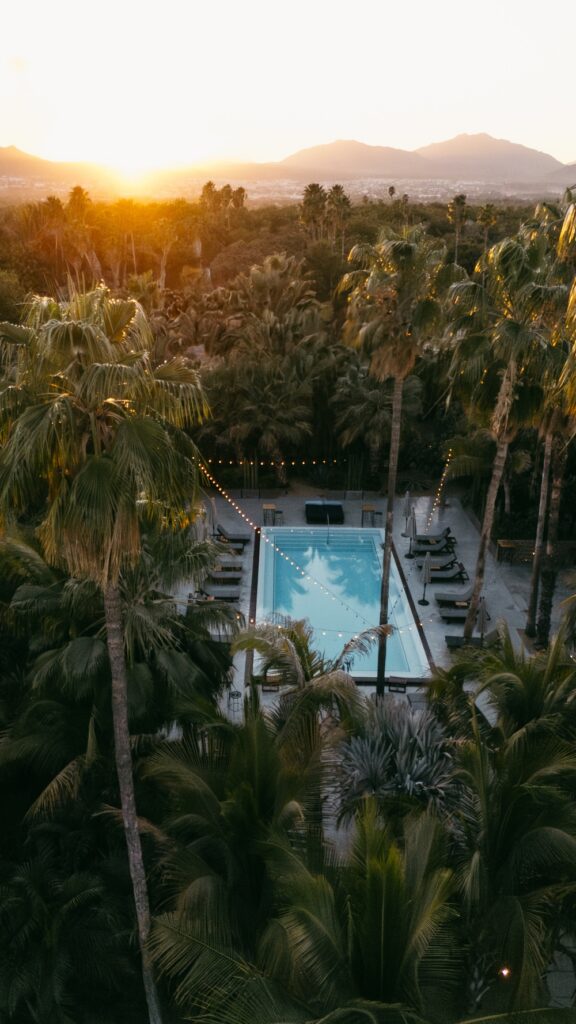
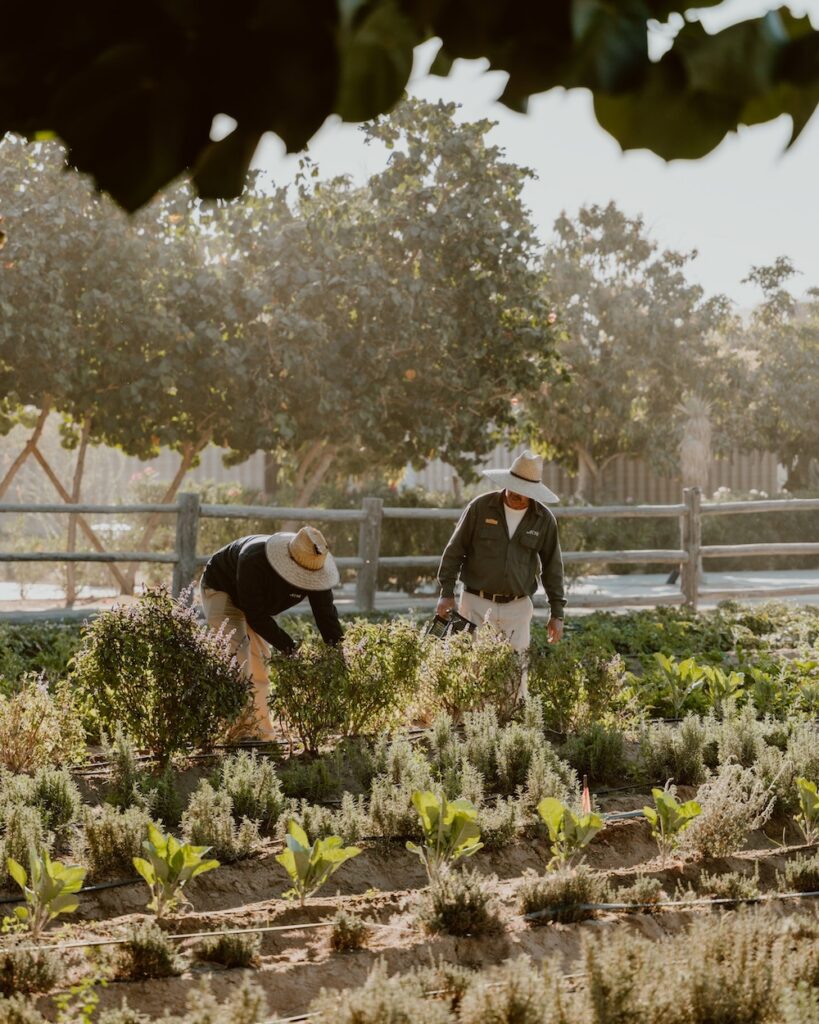
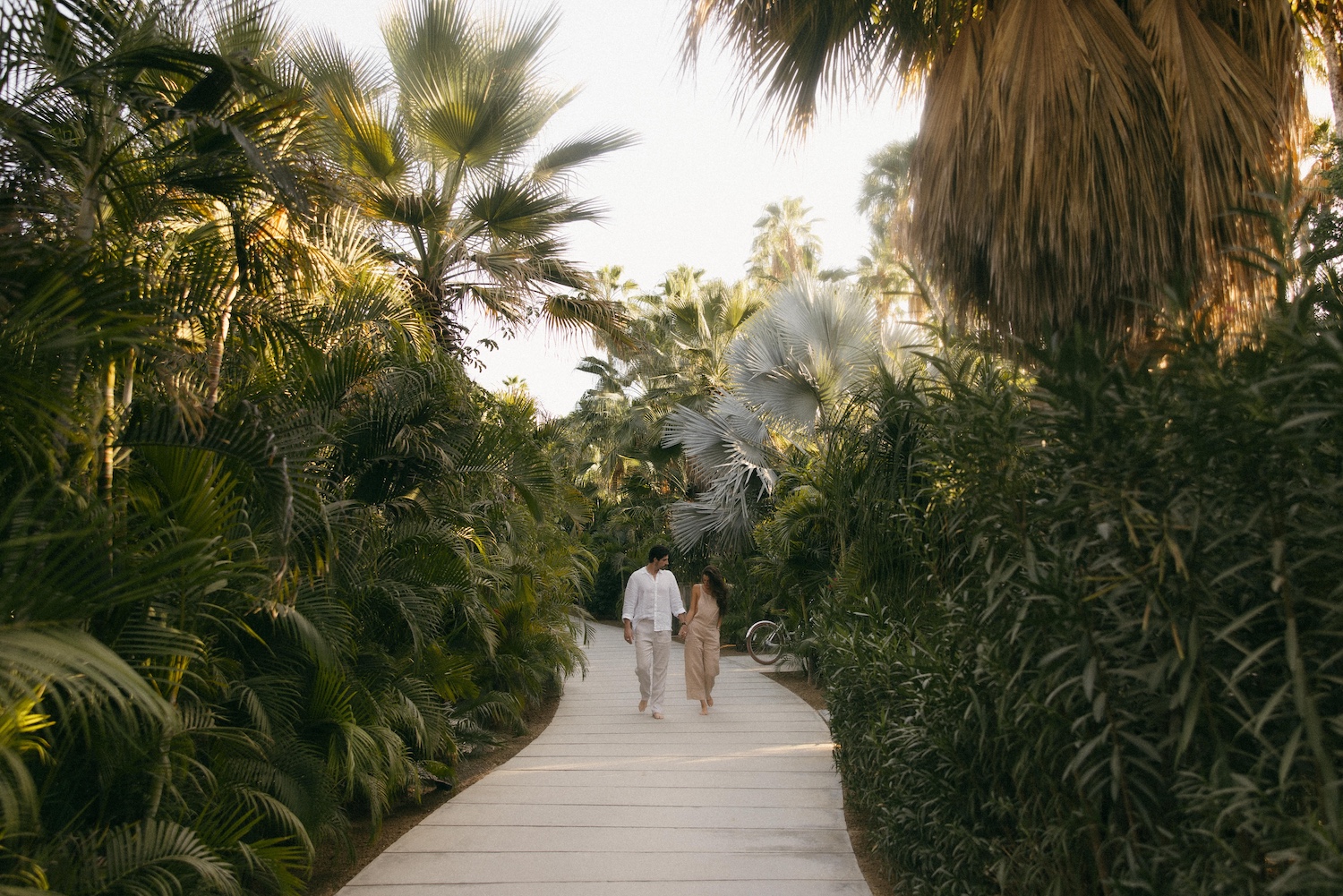
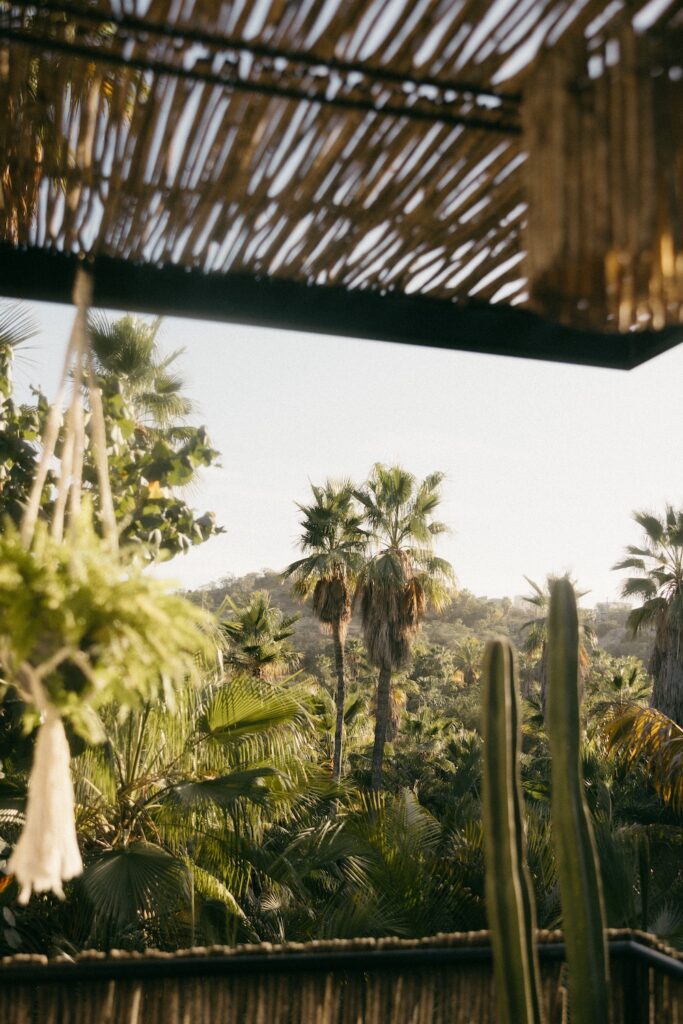
Just beyond the coastal resorts of Los Cabos, in the hills near San José del Cabo, Acre Resort offers a different Baja California Sur experience. Here, 25 acres of palm groves, organic gardens, and desert landscape create a setting where agriculture is as much a part of the experience as the architecture.
Guests can stay in elevated treehouses tucked among the greenery or opt for villas and haciendas with private pools and generous outdoor living spaces. Throughout the property, rescued animals—including donkeys, goats, pigs, and chickens—share the grounds with free-roaming peacocks.
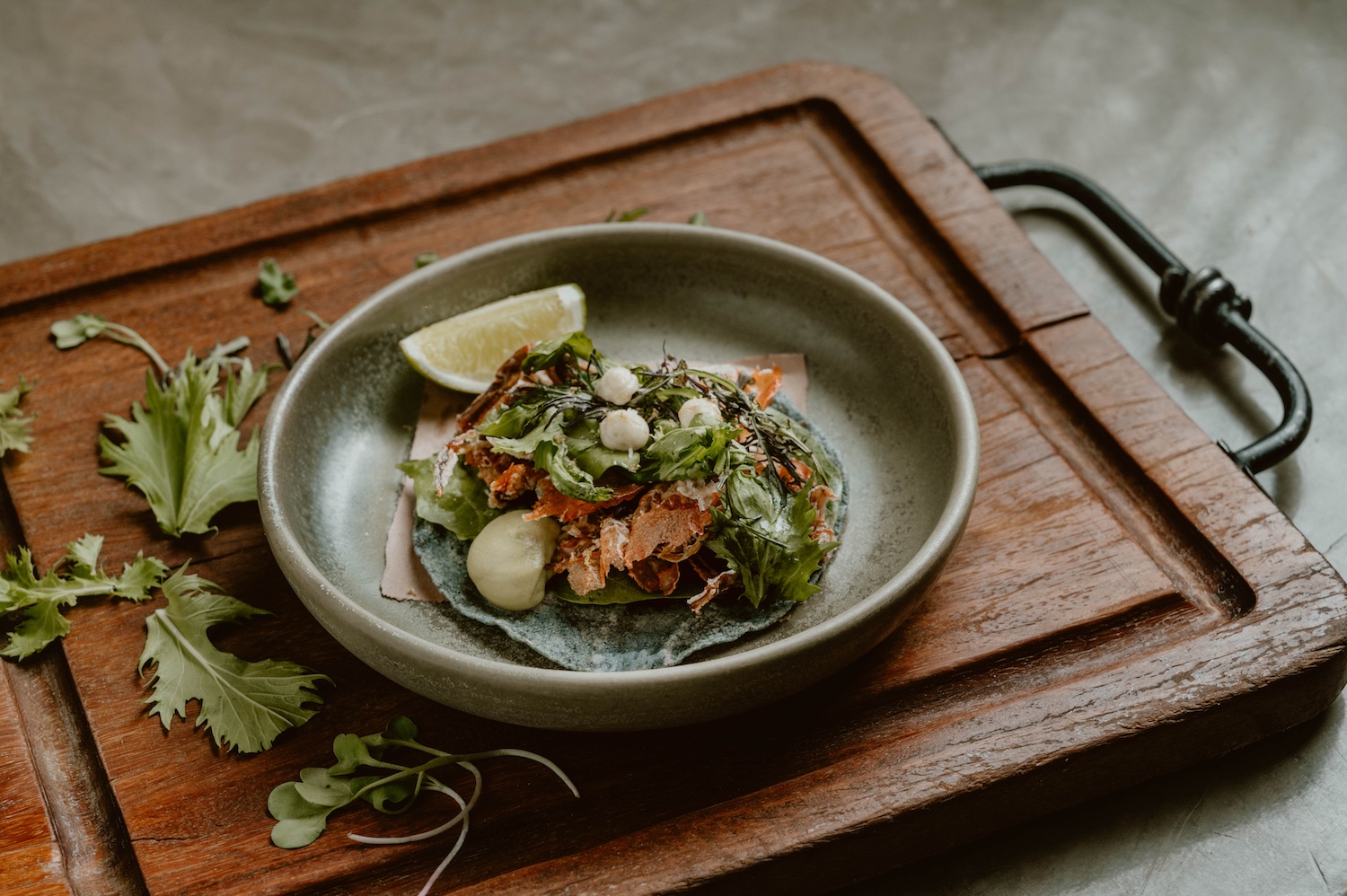
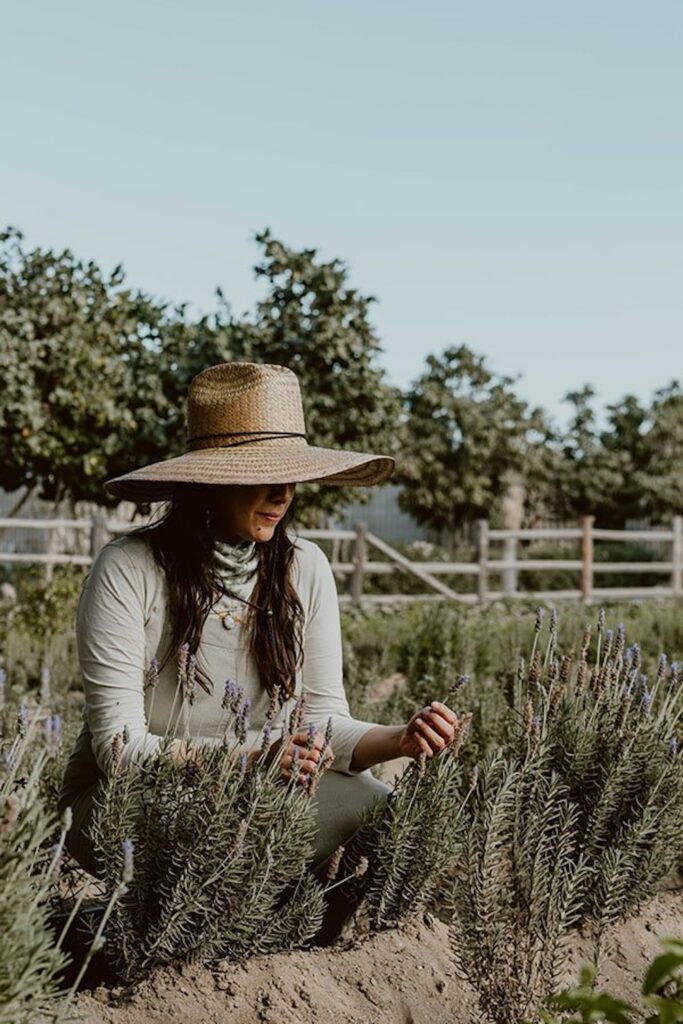
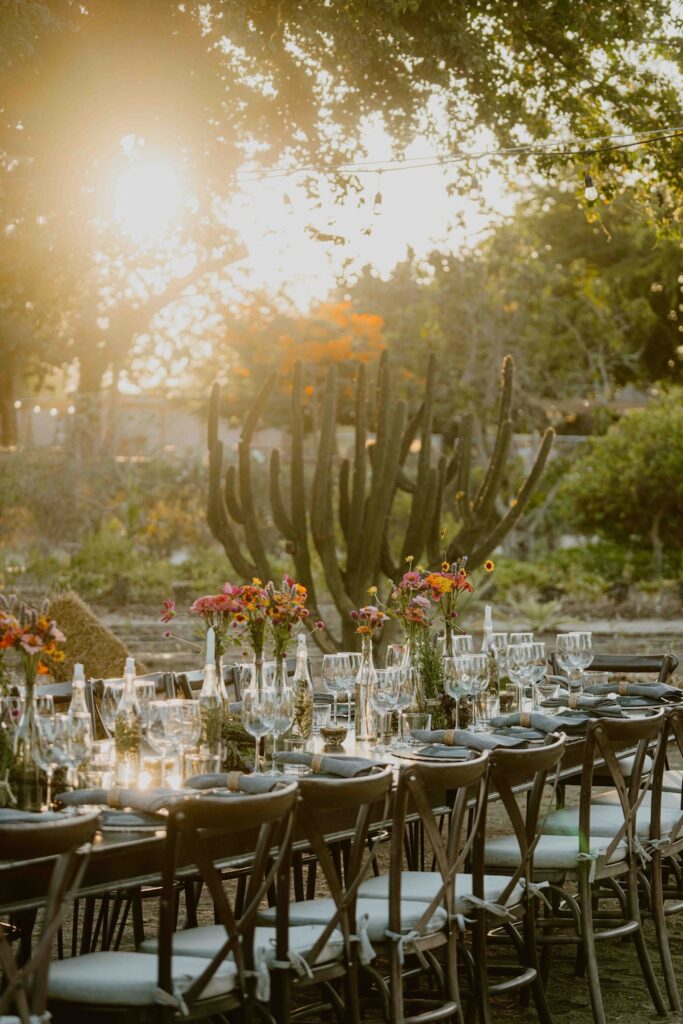
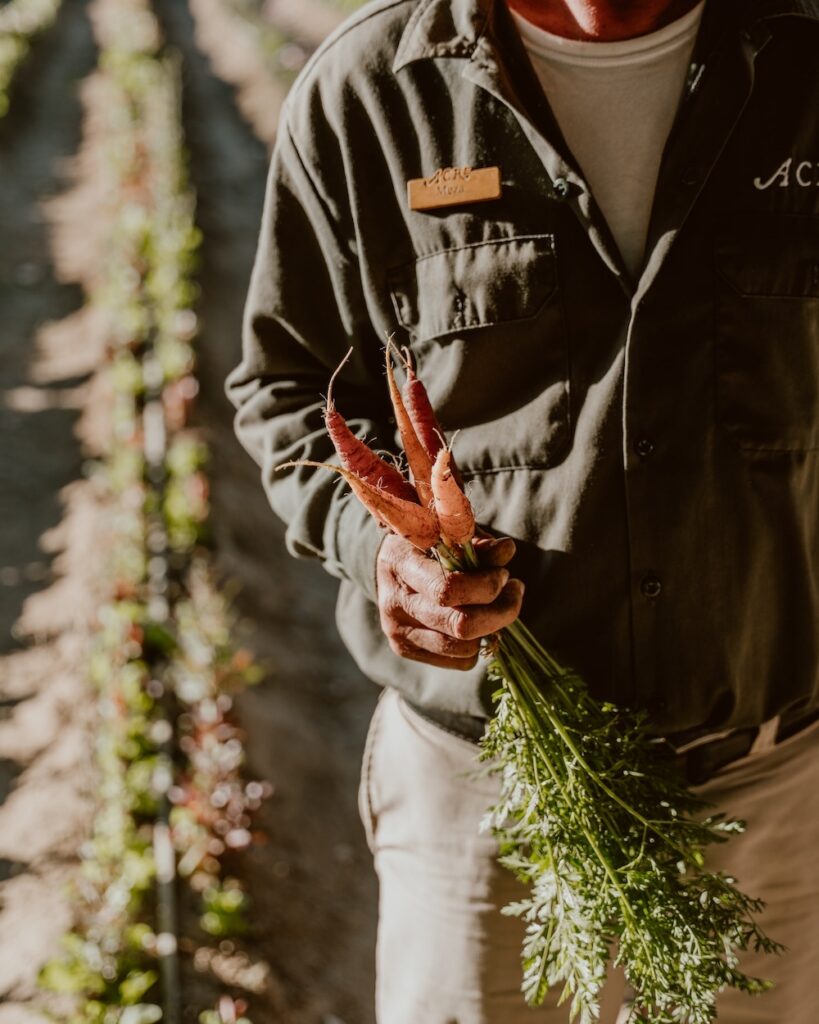
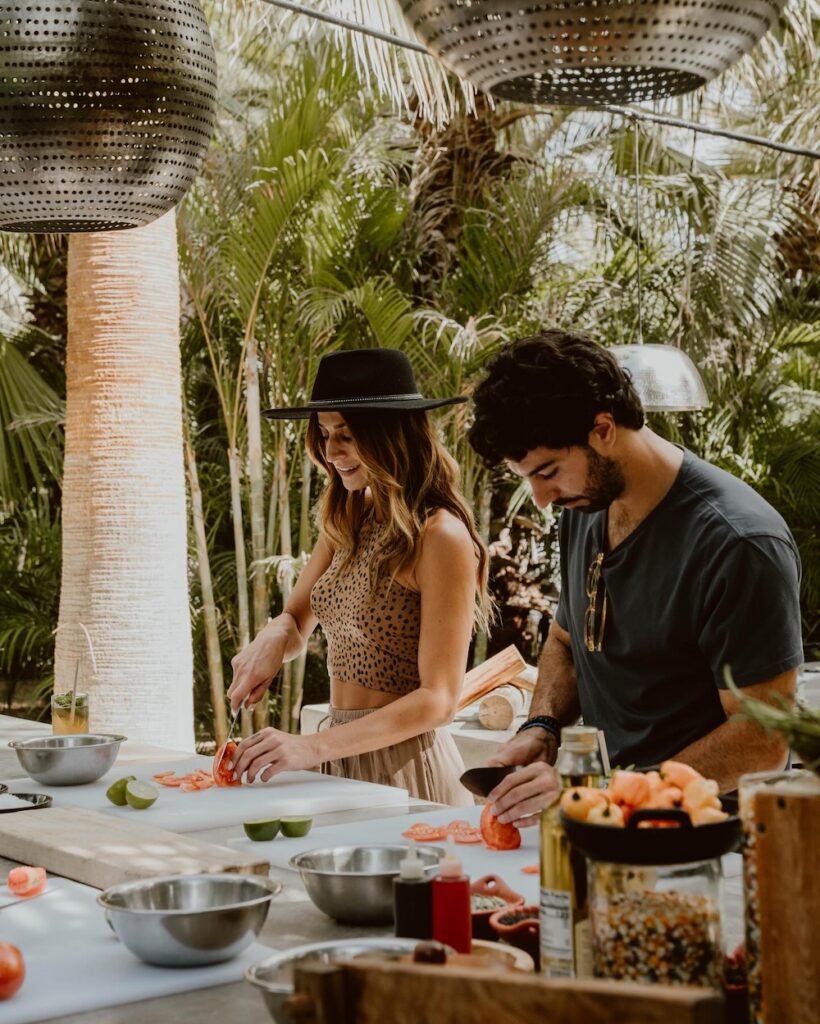
But it’s the relationship between the farm and the kitchen that gives Acre its identity.
The resort’s working farm produces more than 60 varieties of fruits, vegetables, and herbs, including citrus, tomatoes, peppers, and root vegetables. Much of that harvest makes it onto the menu at Acre Restaurant & Cocktail Bar, where chef David Fajardo pairs seasonal ingredients with contemporary Mexican cooking and international influences. The restaurant’s approach to sourcing and sustainability has earned it a Michelin Green Star.
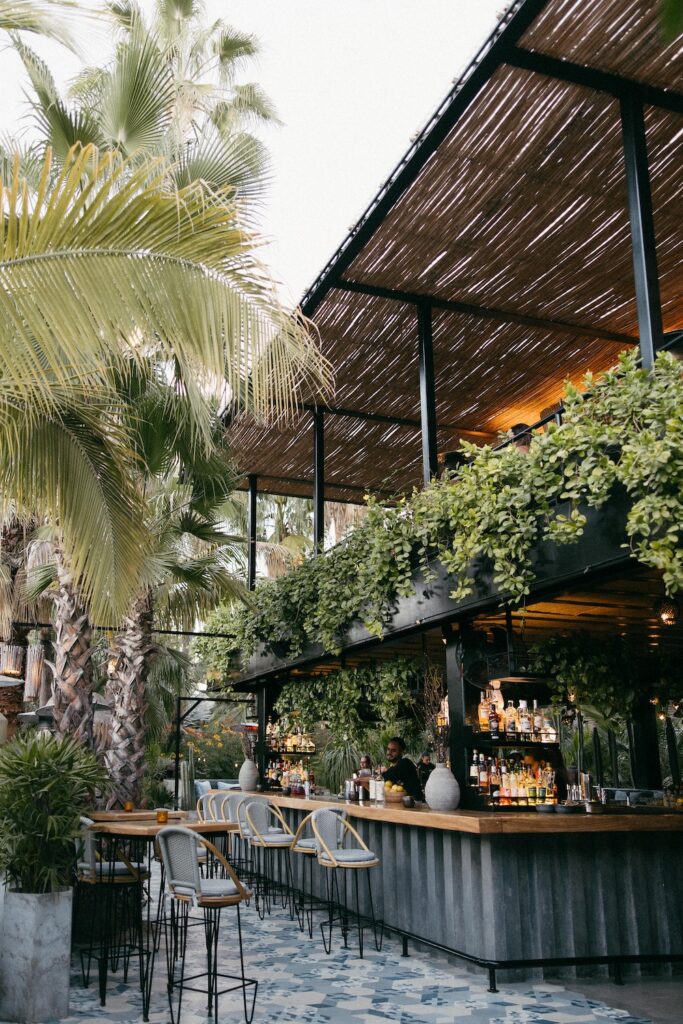
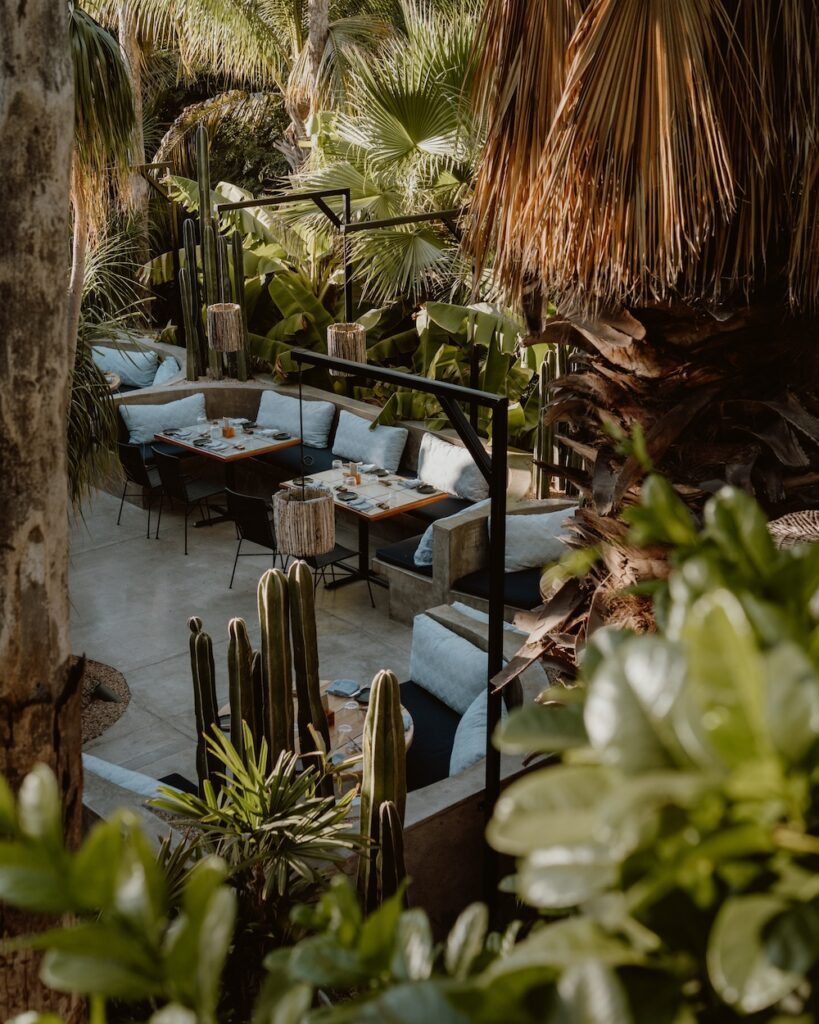
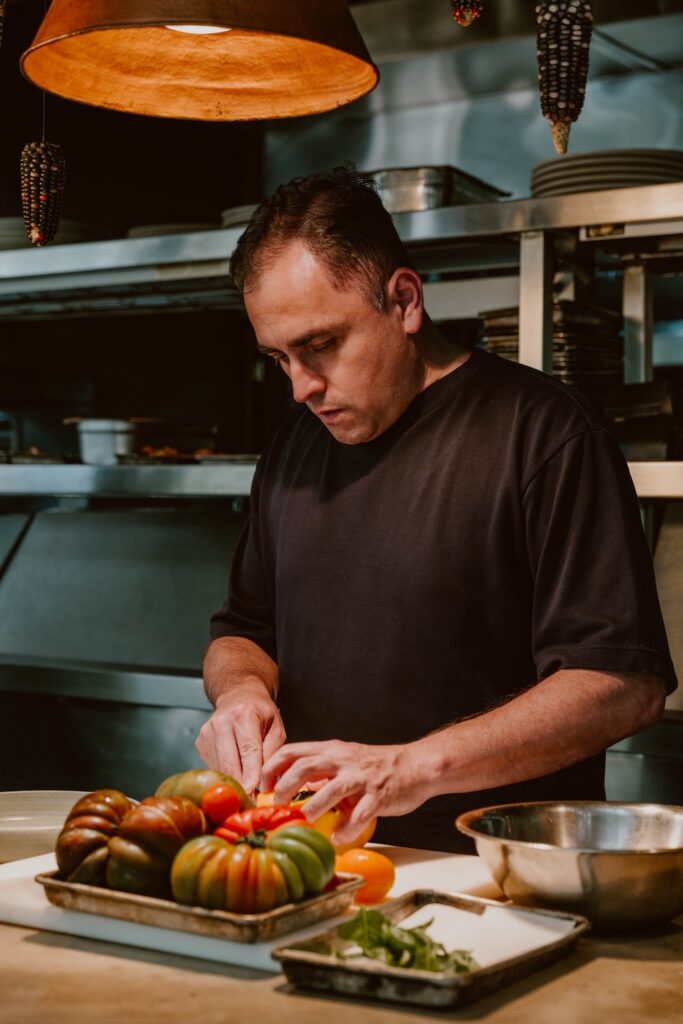
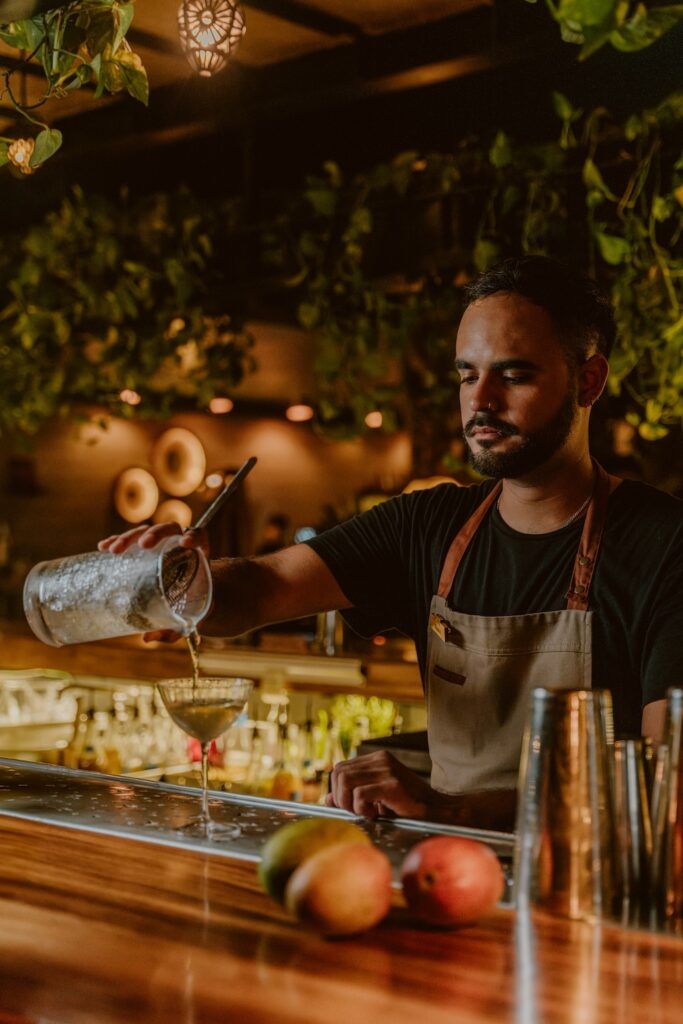
Plenty of opportunities await beyond the dinner table, from pottery and cooking classes to afternoons by the pool. Yet one of Acre’s more compelling qualities is how naturally food and landscape come together. Ingredients growing just beyond the restaurant remind us that even the most sophisticated meal begins in the soil.
Nemacolin Resort | Laurel Highlands, Pennsylvania
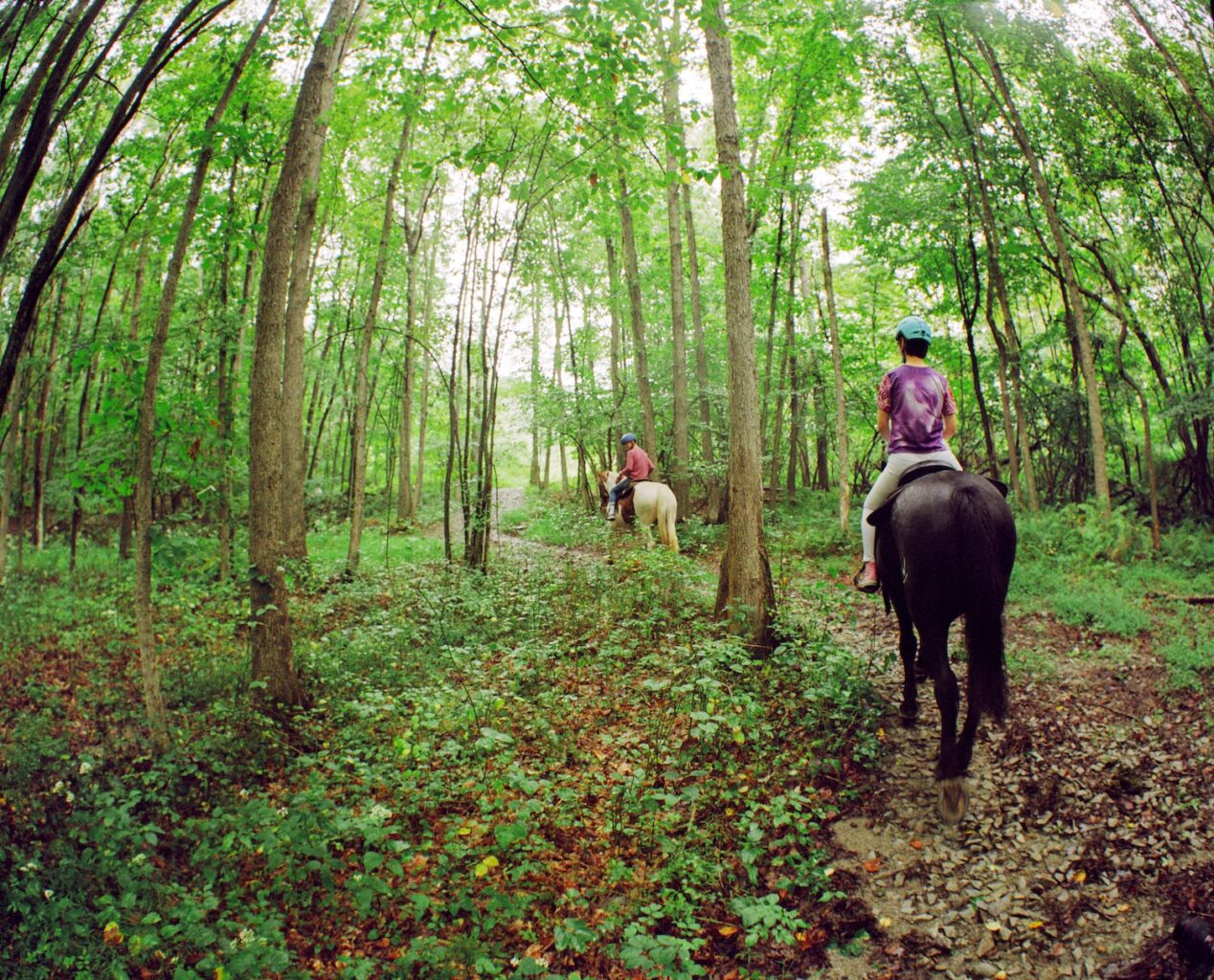
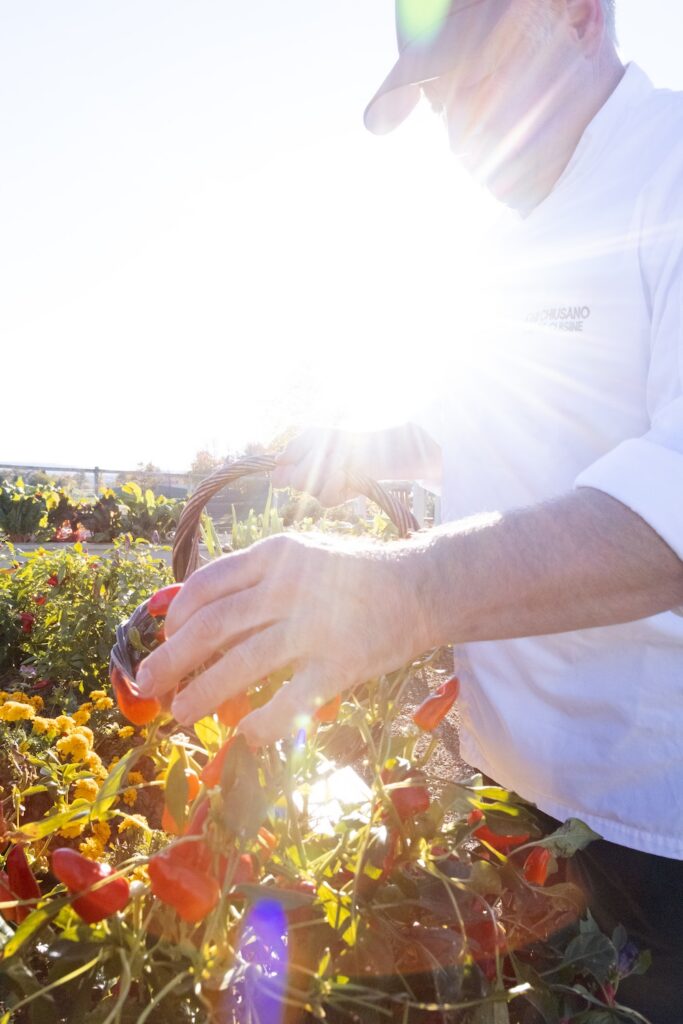
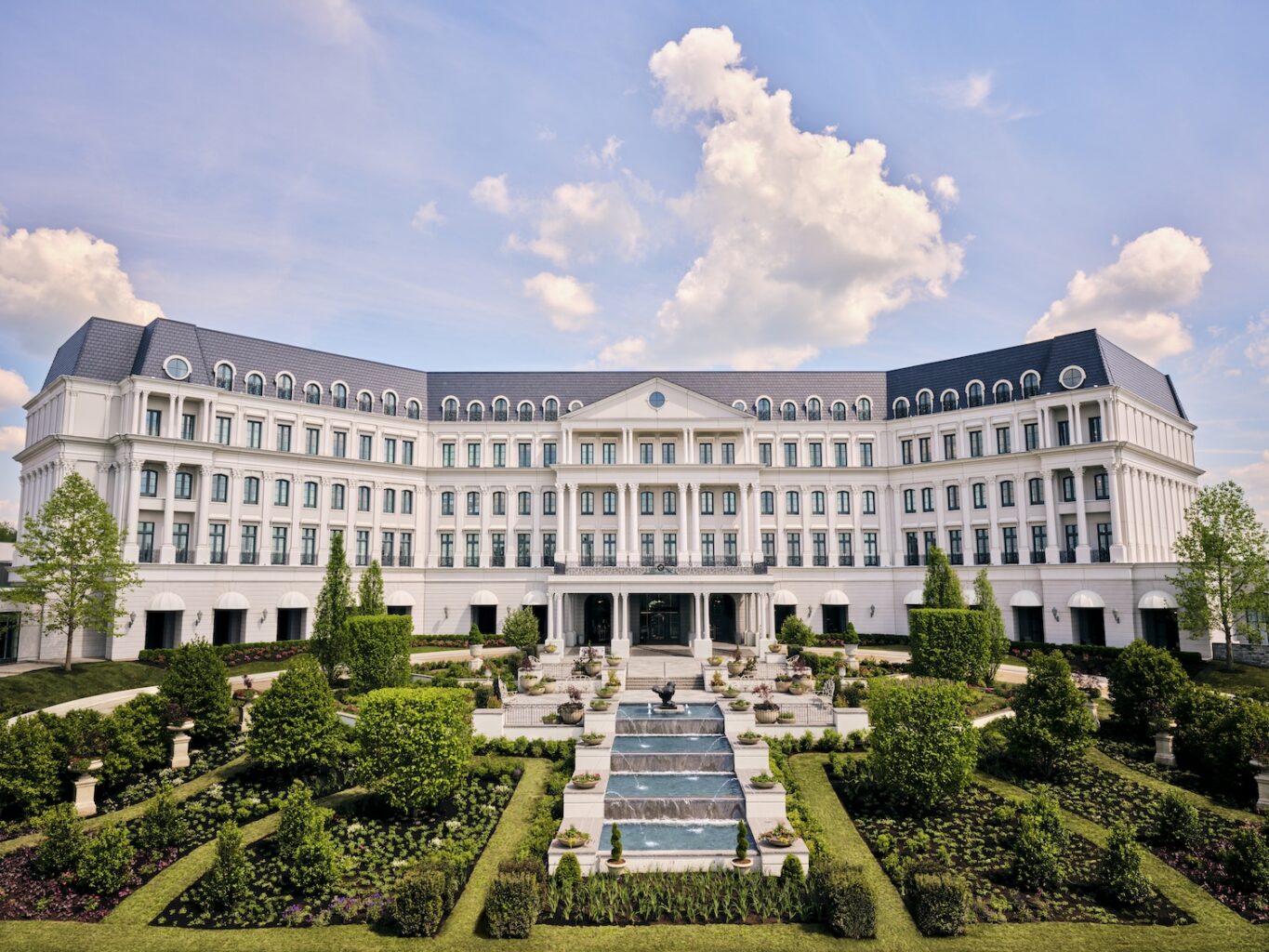
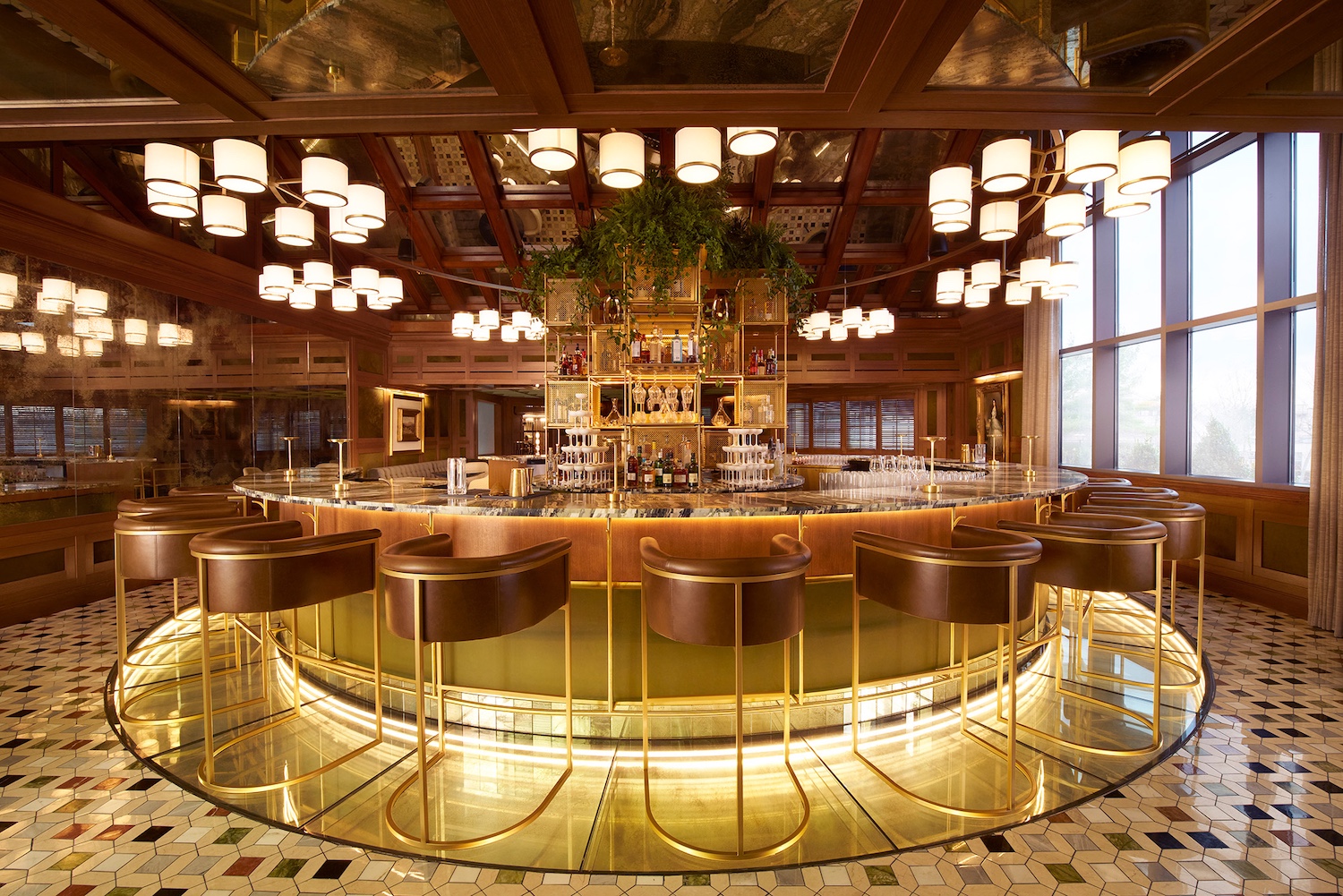
Spread across more than 2,200 private acres in Pennsylvania’s Laurel Highlands, Nemacolin Resort offers a different scale of agritourism. Known for its luxury accommodations, dining, and extensive recreational offerings, the resort also offers opportunities to engage with the surrounding natural environment.
Horseback riding, guided wildlife encounters, and visits with farm animals offer ways to explore the property beyond its more traditional resort amenities. But one of its smallest residents provides one of the most interesting experiences.
Nemacolin maintains an on-site apiary in partnership with Youth Bee Works, with 20 beehives dedicated to honey production and education. Through the resort’s Honeybee Hour experience, guests can learn about bee biology, how a hive works, and the process of producing honey.
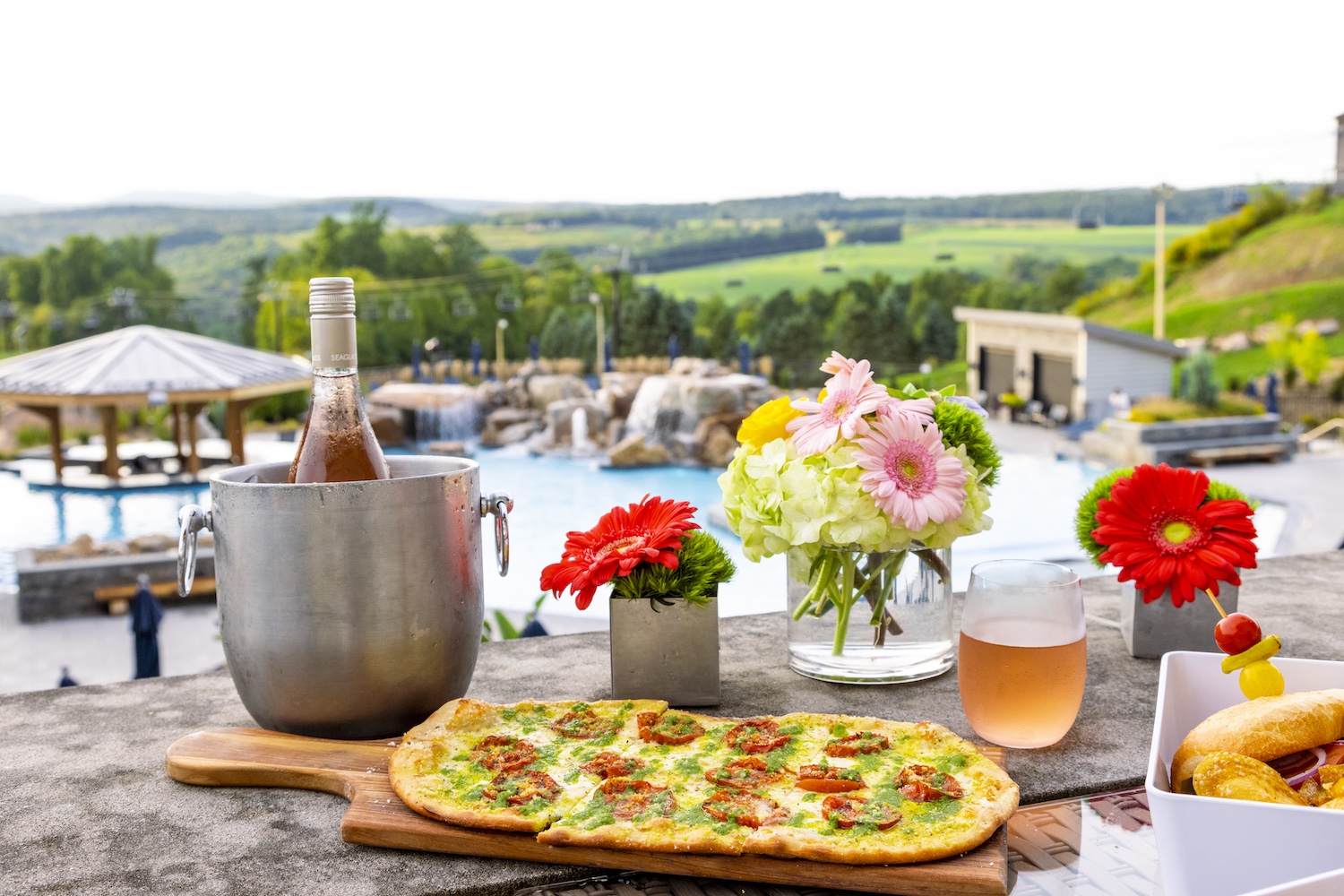
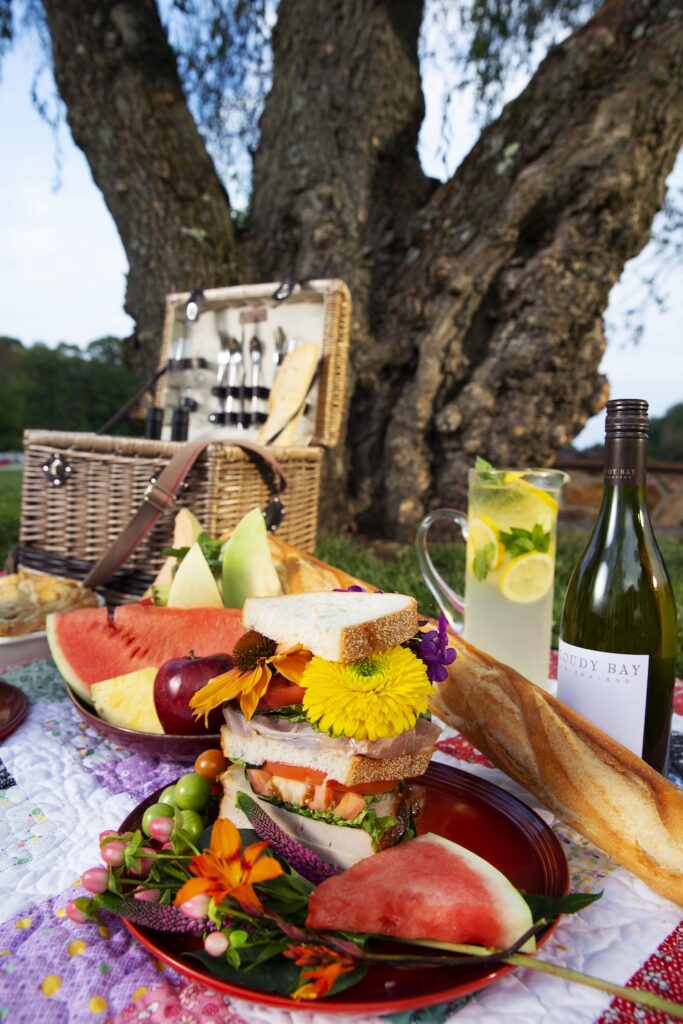
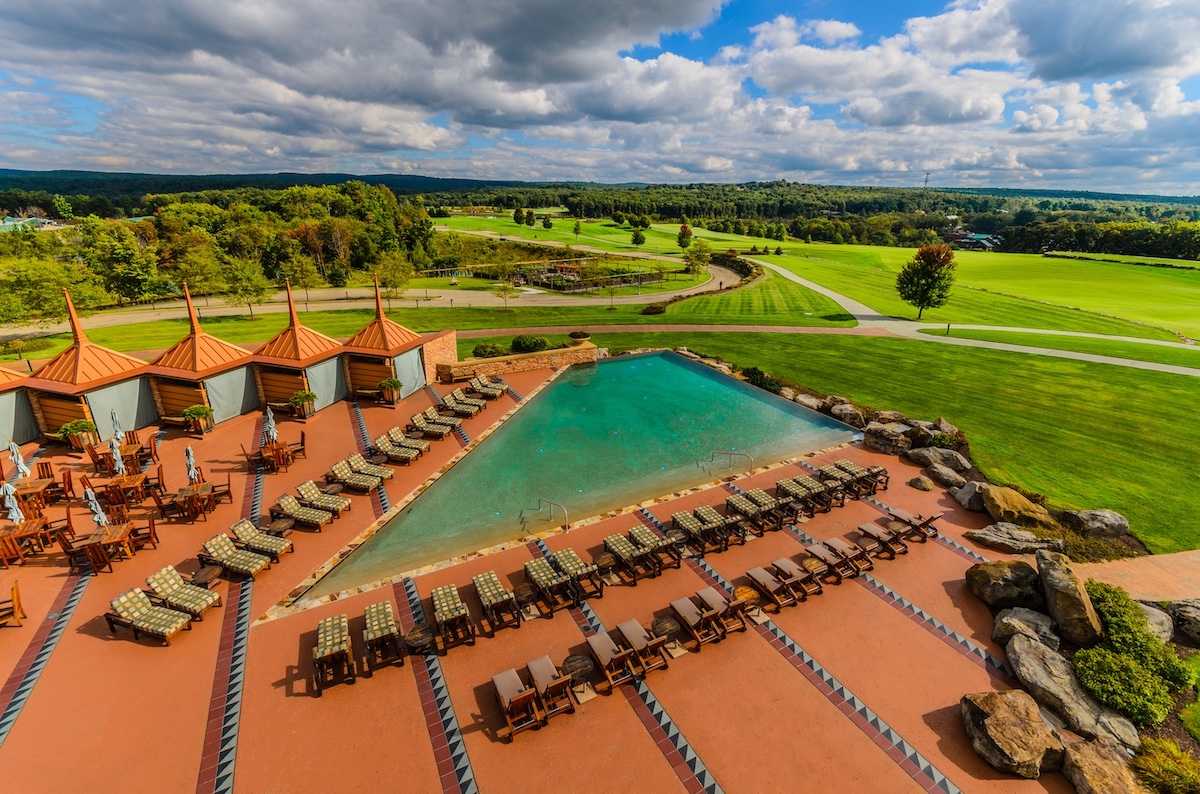
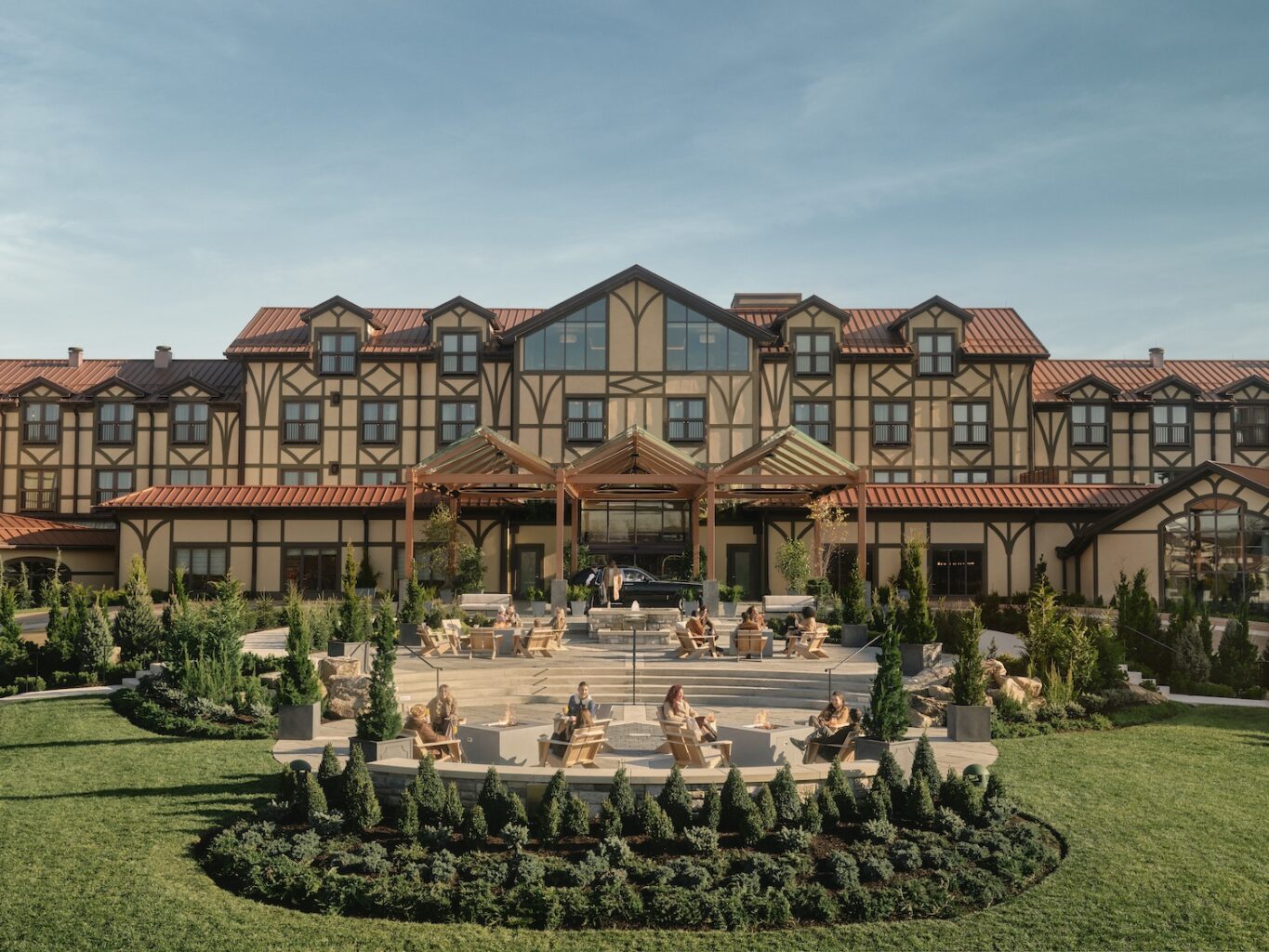
A guided tasting lets you appreciate the finished product, with a jar of Nemacolin Honey to take home. It’s a relatively simple experience, but it opens the door to a much larger conversation about pollinators, agriculture, and the natural systems that support our food supply.
For families in particular, experiences like these can add another dimension to a luxury holiday. A morning spent learning about bees might spark a new interest in the natural world while adding a little more meaning to something as familiar as honey on the breakfast table.
Nemacolin’s approach focuses less on immersing guests in the daily operations of a working farm and more on making the surrounding landscape part of the stay. It shows how even a large luxury resort can give guests opportunities to explore where food comes from and the ecosystems that make its production possible.
Son Sabater by Zafiro | Mallorca, Spain
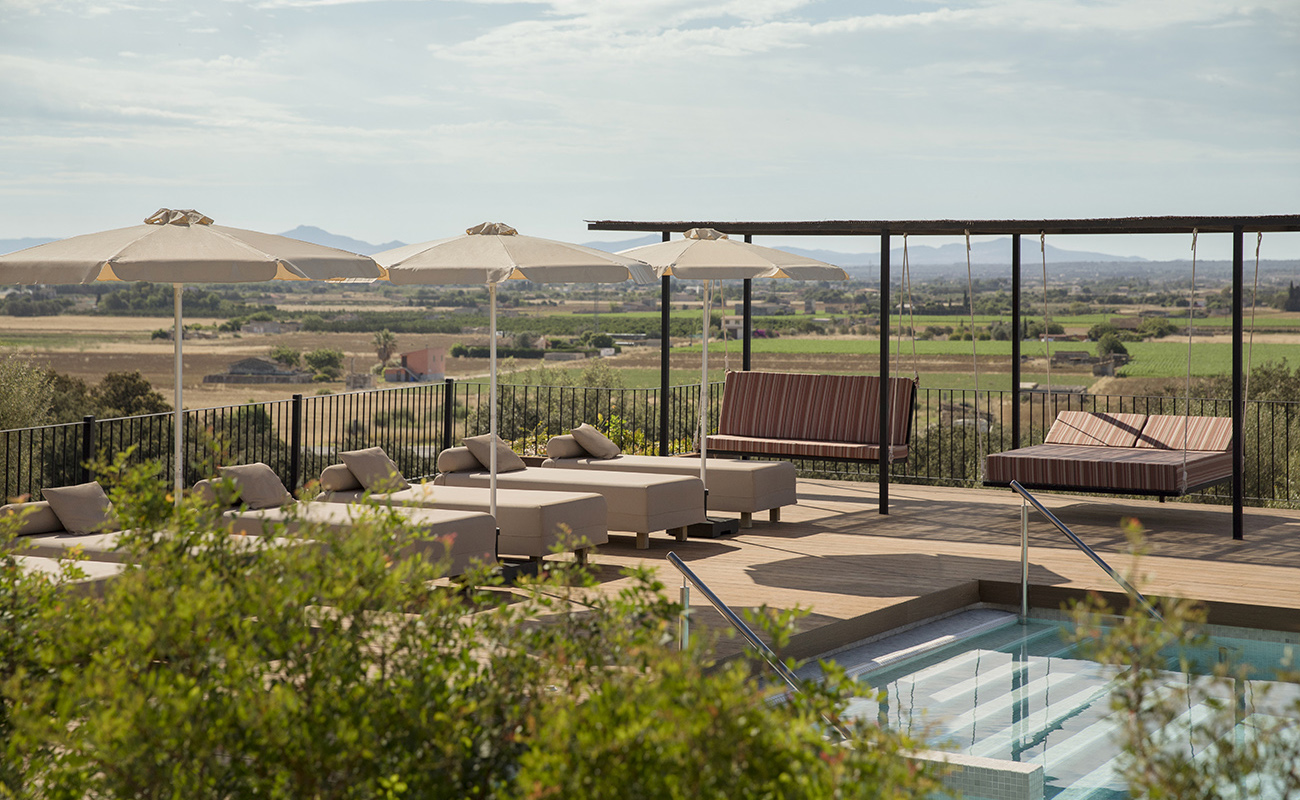
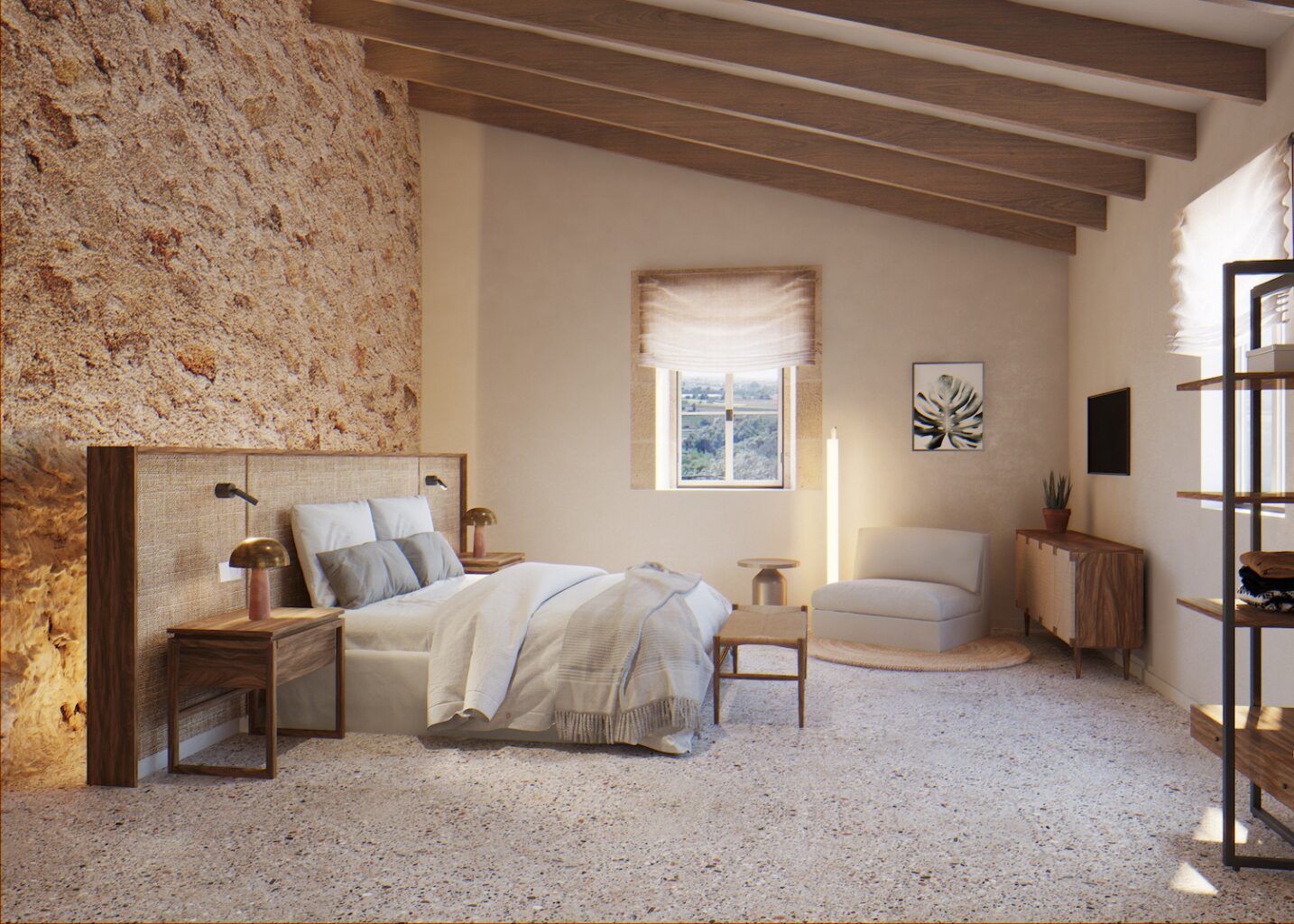
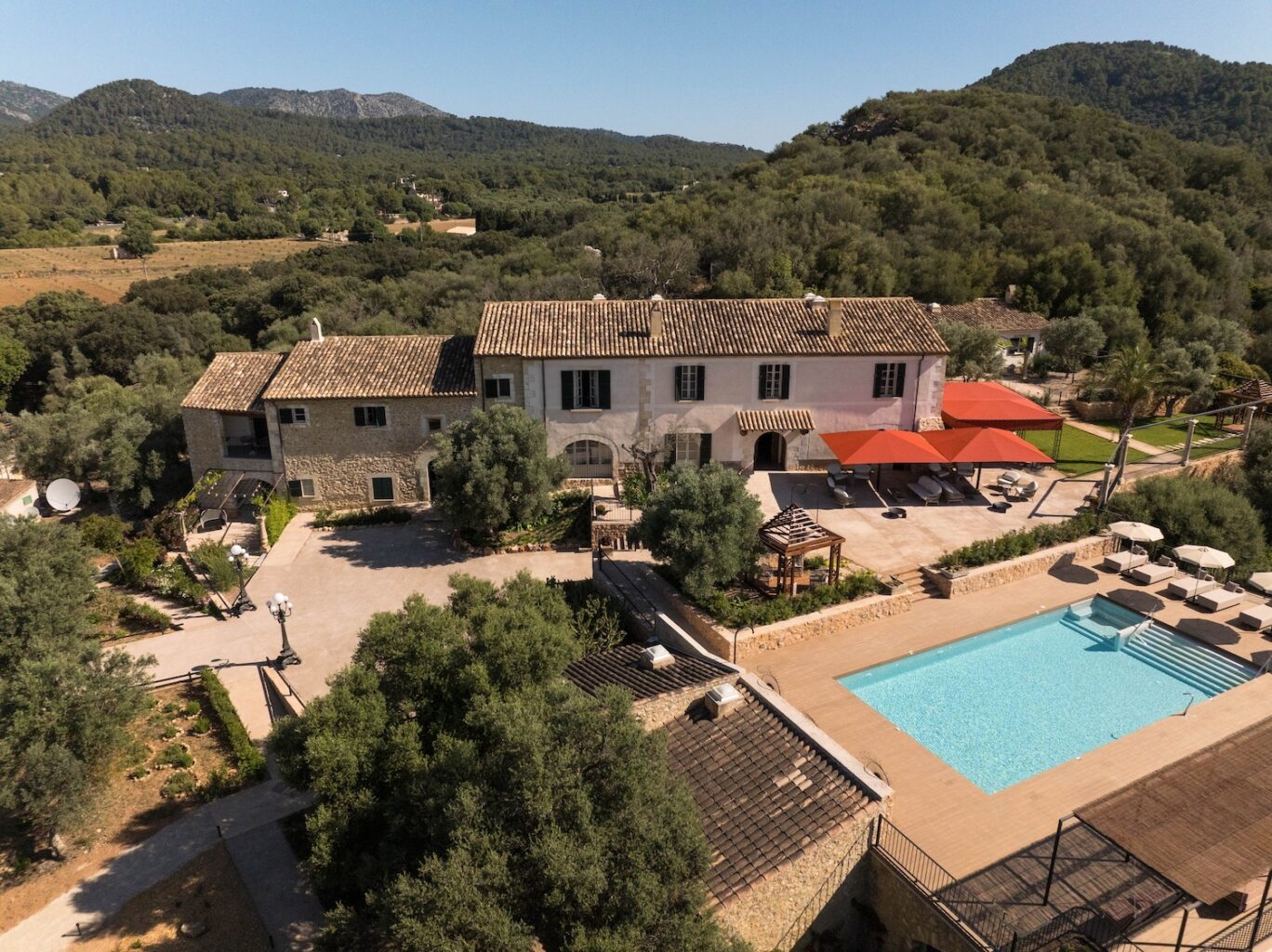
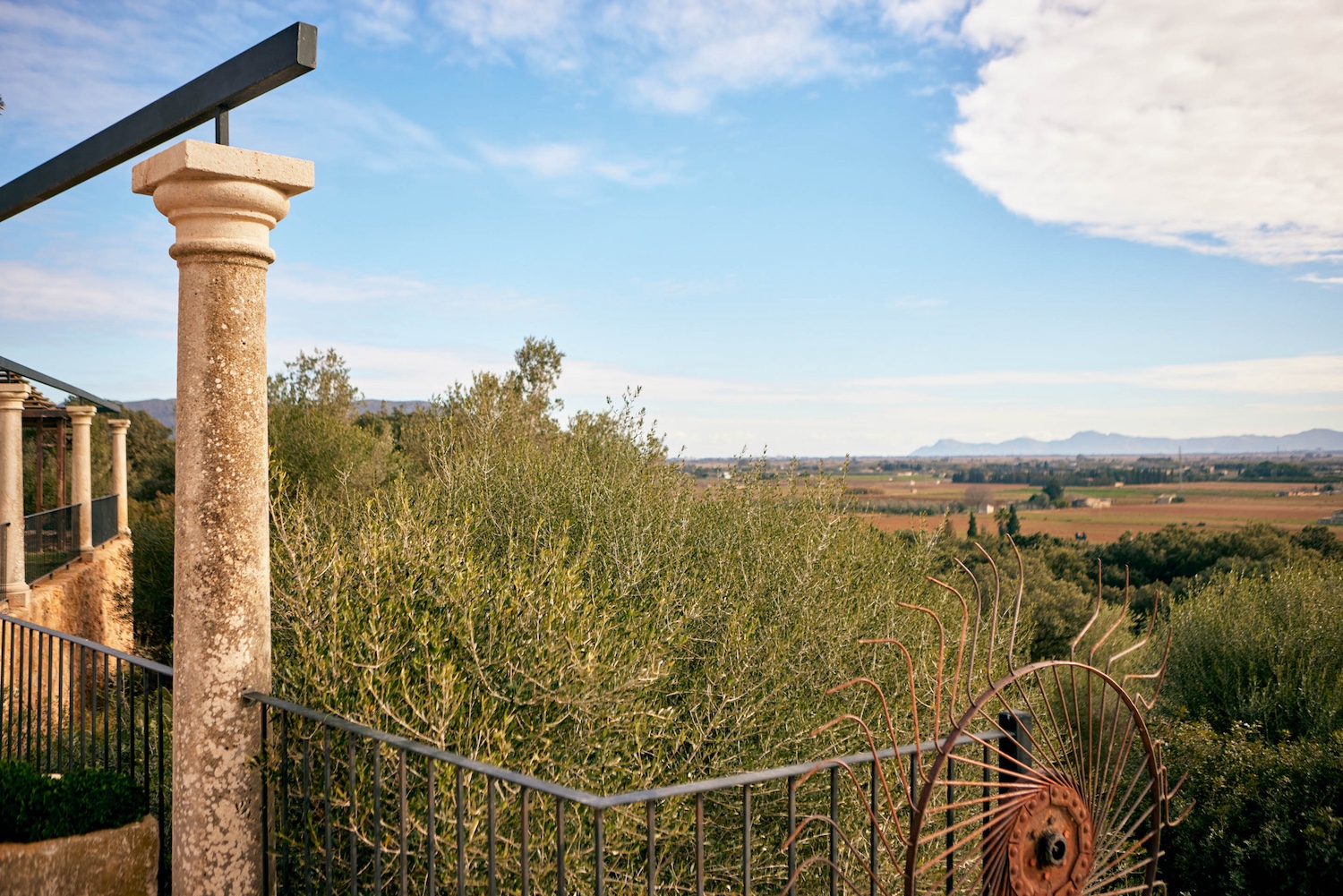
Away from Mallorca’s busy beaches and waterfront resorts, the countryside around Sa Pobla offers another perspective on the island. Oak forests, carob orchards, and traditional agricultural landscapes stretch toward the Serra de Tramuntana mountains, where generations of farming have helped shape local food and culture.
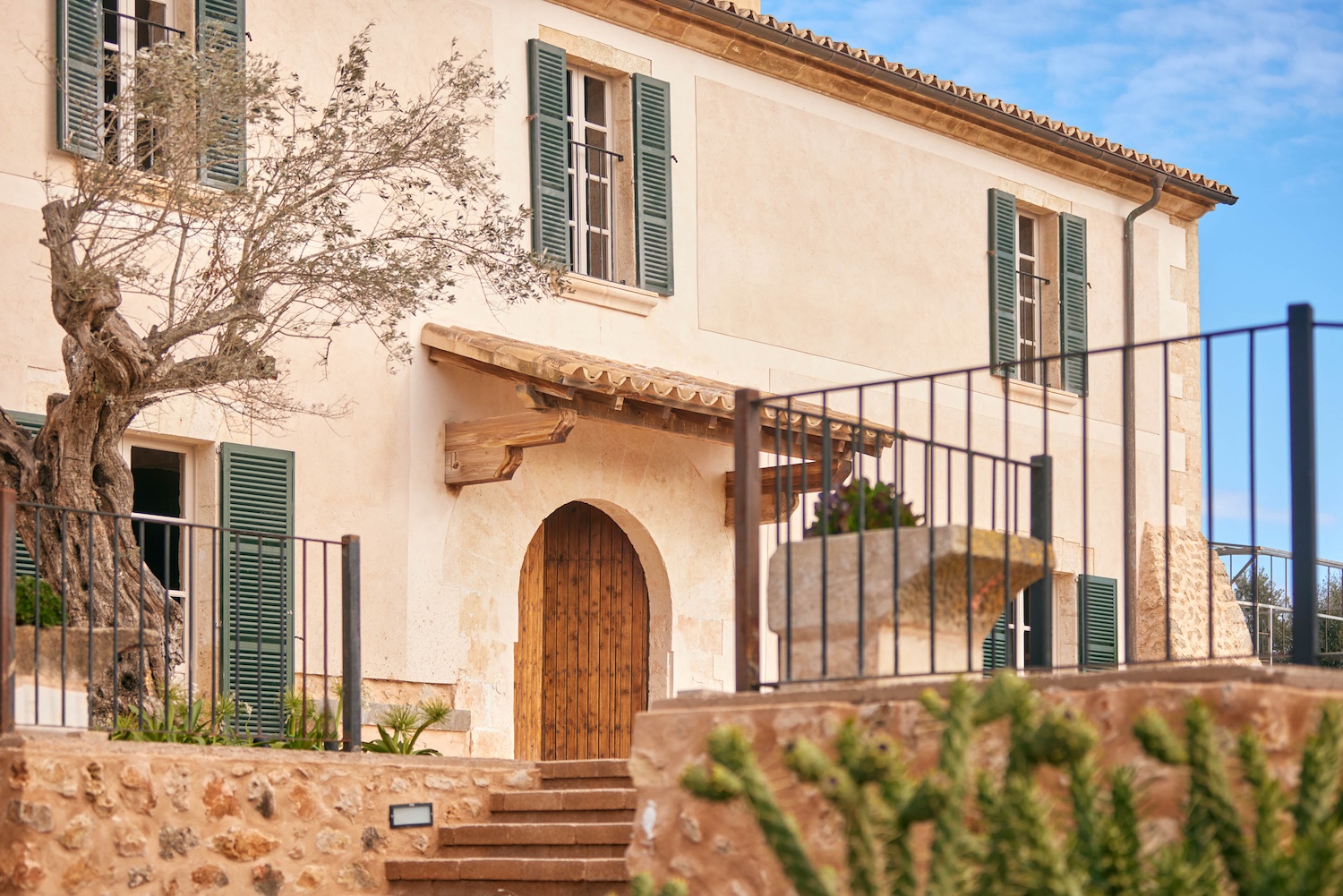
It’s here that Son Sabater by Zafiro occupies a restored 16th-century country estate, now an intimate agrotourism hotel with just 15 rooms and suites.
Original stonework, wooden beams, and carefully preserved architectural details connect the property to its past, while contemporary interiors and peaceful gardens make it a comfortable place to settle in. Spend days walking through the surrounding countryside, cycling between nearby villages, or exploring the mountain landscapes that have earned the Serra de Tramuntana UNESCO World Heritage status.
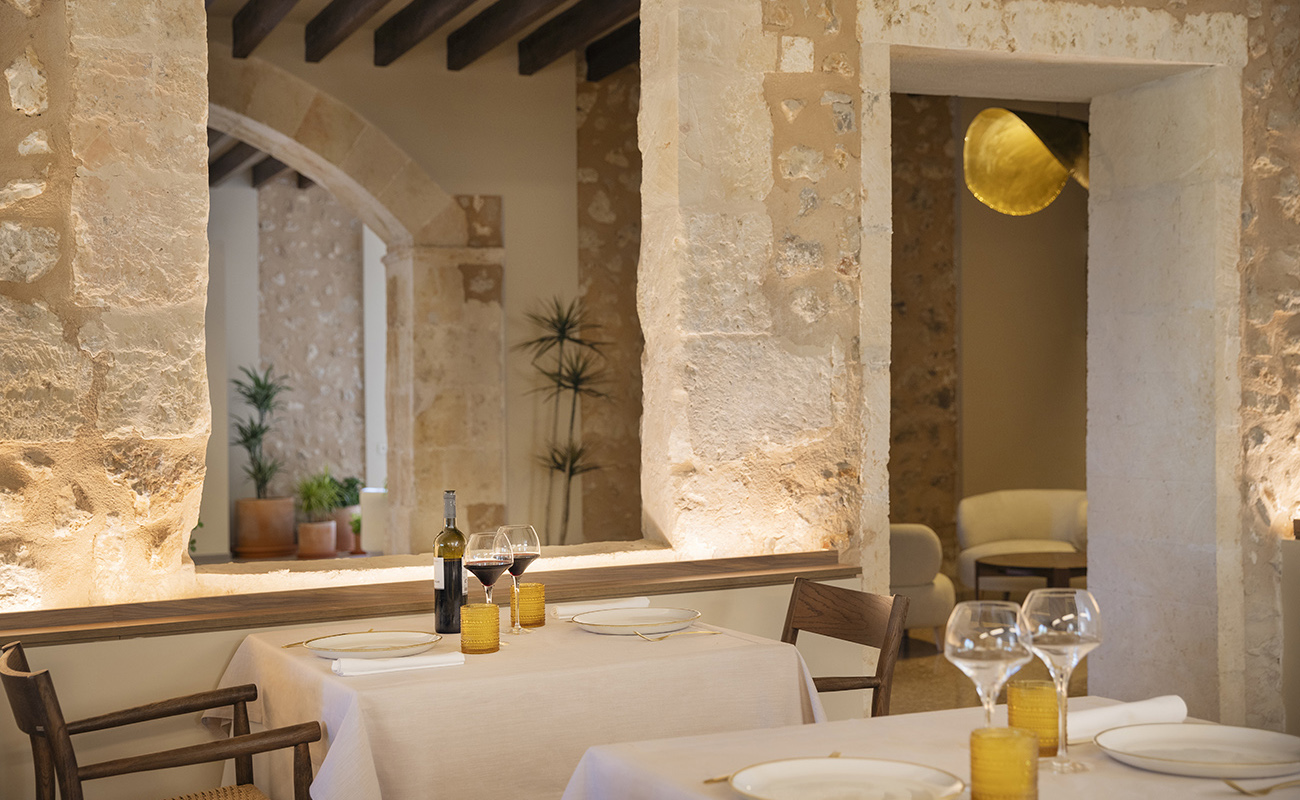
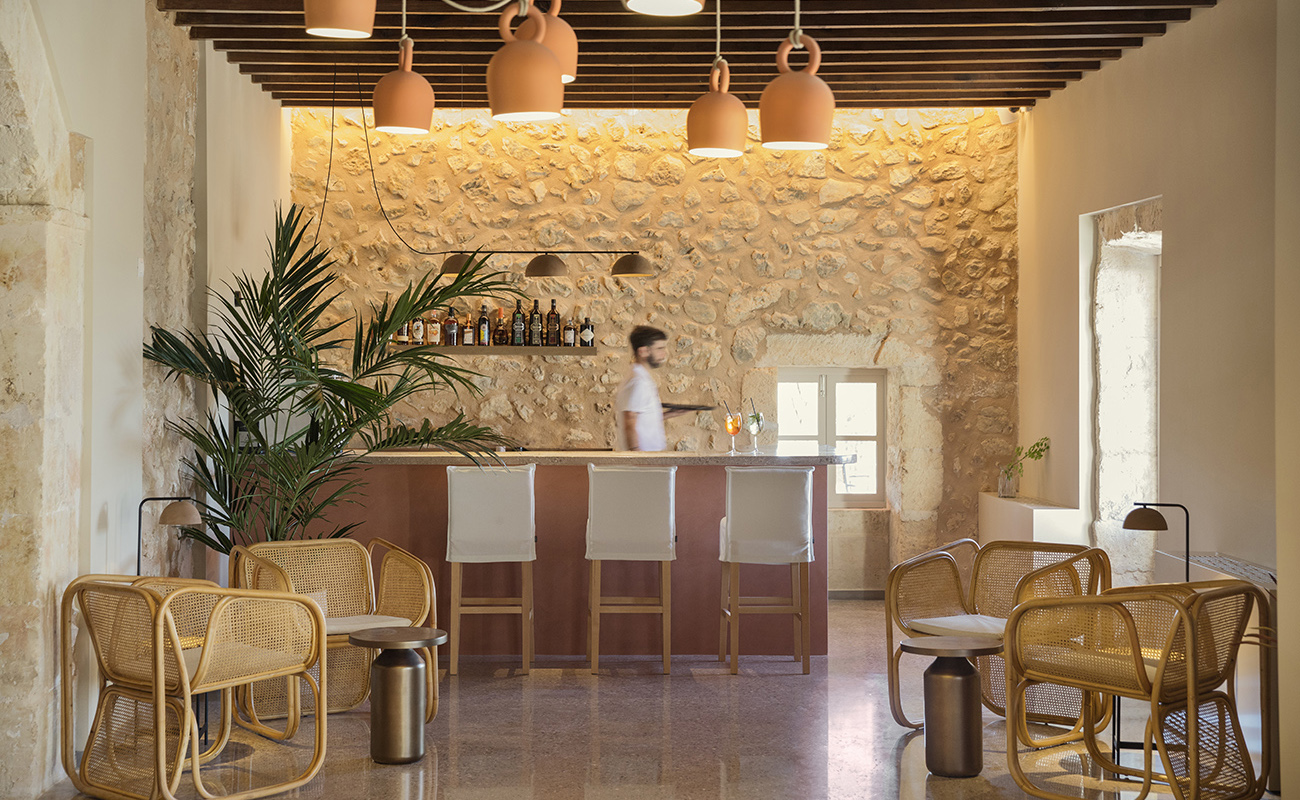
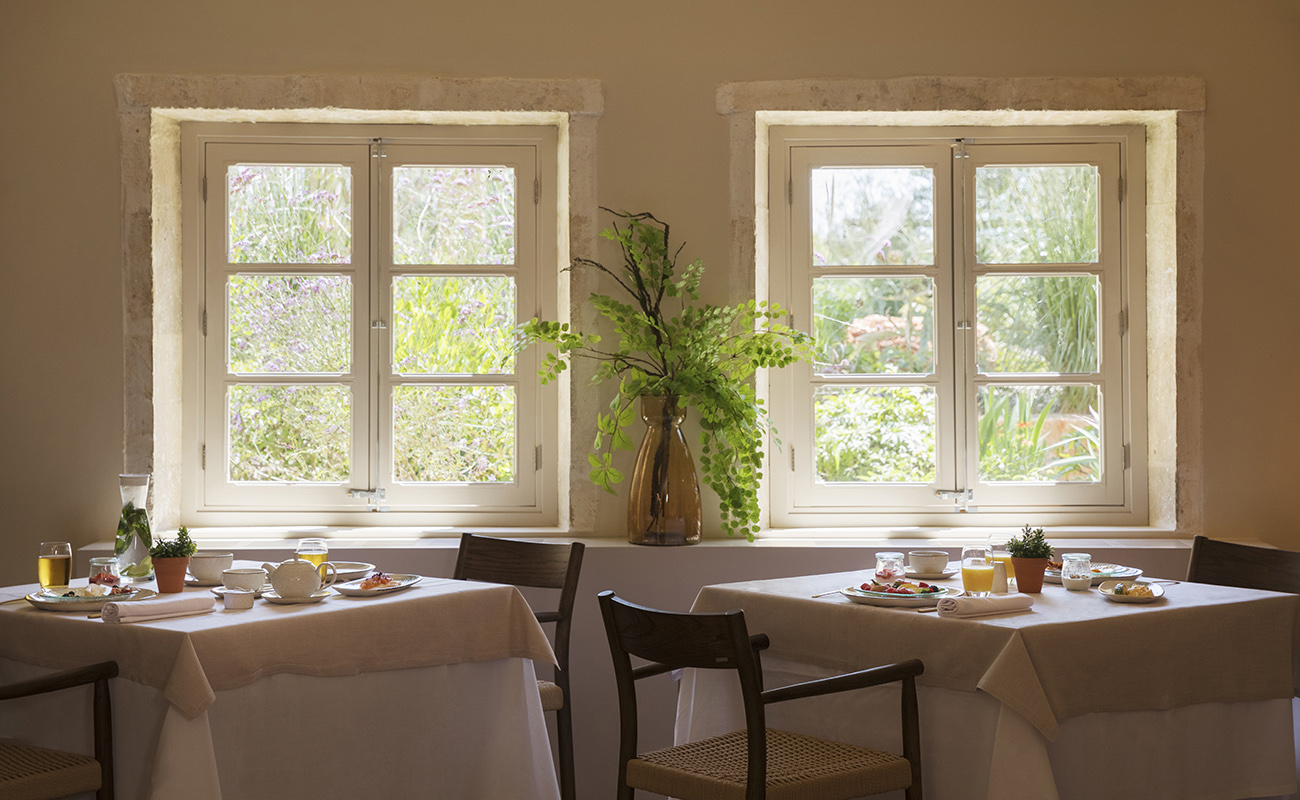
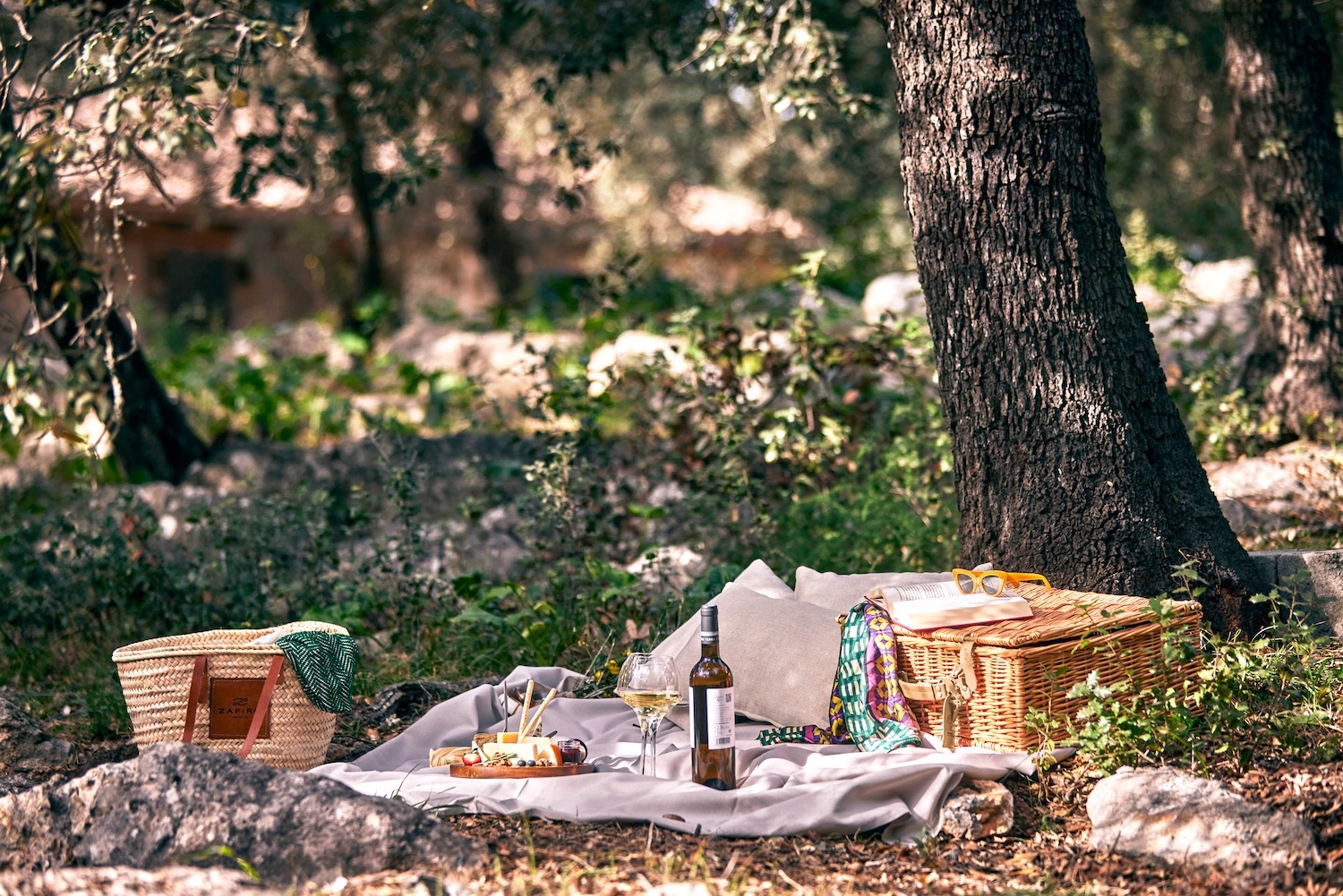
Food provides another connection to the island’s traditions. At Son Sabater Restaurant, Mallorcan recipes and locally sourced ingredients take centre stage, drawing inspiration from the region’s agricultural heritage. The estate also maintains an organic garden, where vegetables, herbs, and fruit support the kitchen’s seasonal approach.
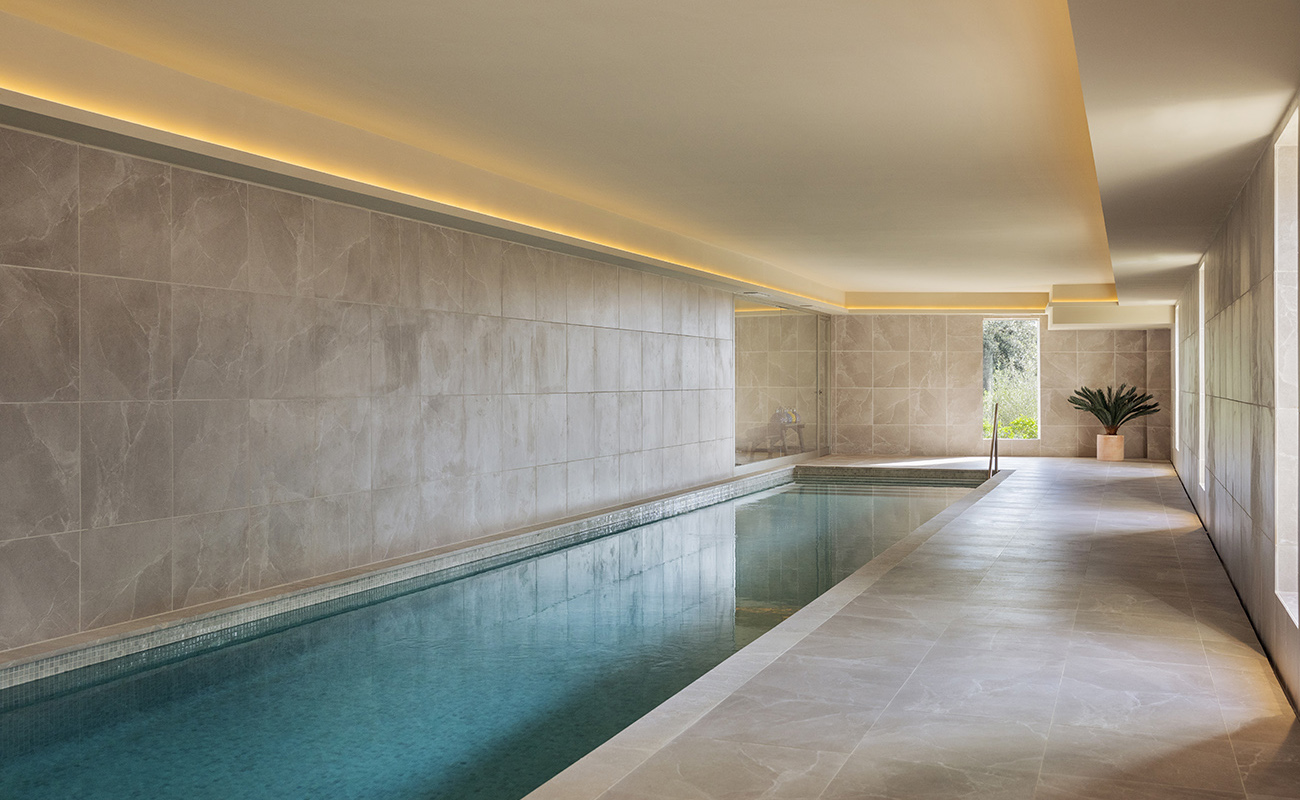
There is room for unhurried afternoons, too, whether beside the outdoor pool or enjoying the indoor pool and sauna.
For travellers accustomed to experiencing Mallorca through its coastline, Son Sabater offers a quieter introduction to the island’s rural character. Its appeal lies not in recreating farm life, but in spending time in a landscape where agriculture, architecture, and cuisine have long been intertwined.
A Different Kind of Connection

Agritourism’s appeal isn’t necessarily about trading comfort for rustic living. Nor does every experience require guests to roll up their sleeves and work the land.
Sometimes it’s a meal prepared with vegetables grown a short walk from the table. Sometimes it’s staying in a centuries-old farmhouse and discovering the surrounding countryside’s traditions. And sometimes it’s learning how a colony of bees transforms nectar into honey.
These experiences invite us to pay closer attention to the places we visit. For travellers interested in food, nature, and the stories behind a destination, that connection may be one of the most rewarding luxuries of all.