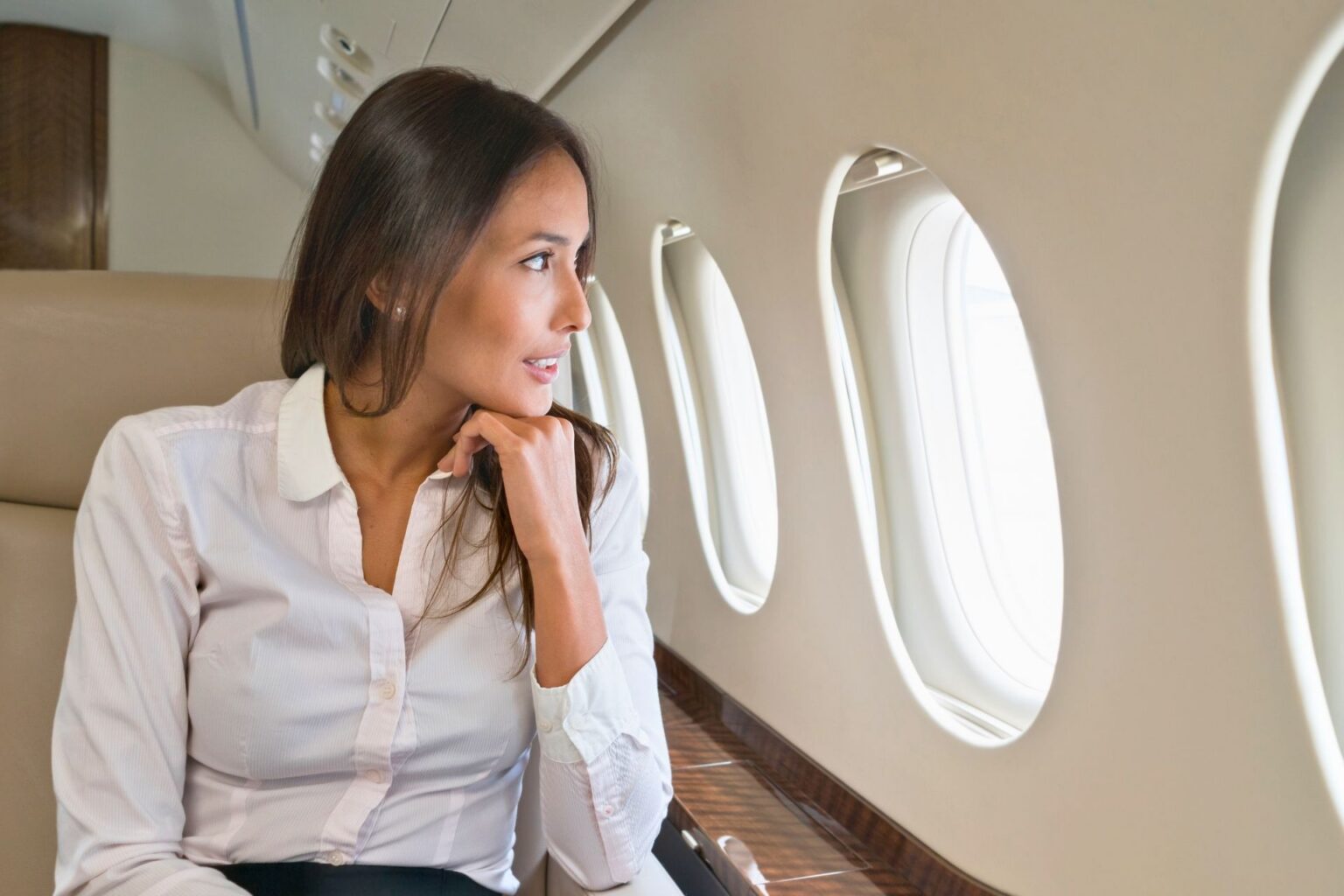
A full itinerary can still leave you feeling alone. A therapist explores the quiet loneliness of travelling for work.
By Martha Fernandez, LCSW
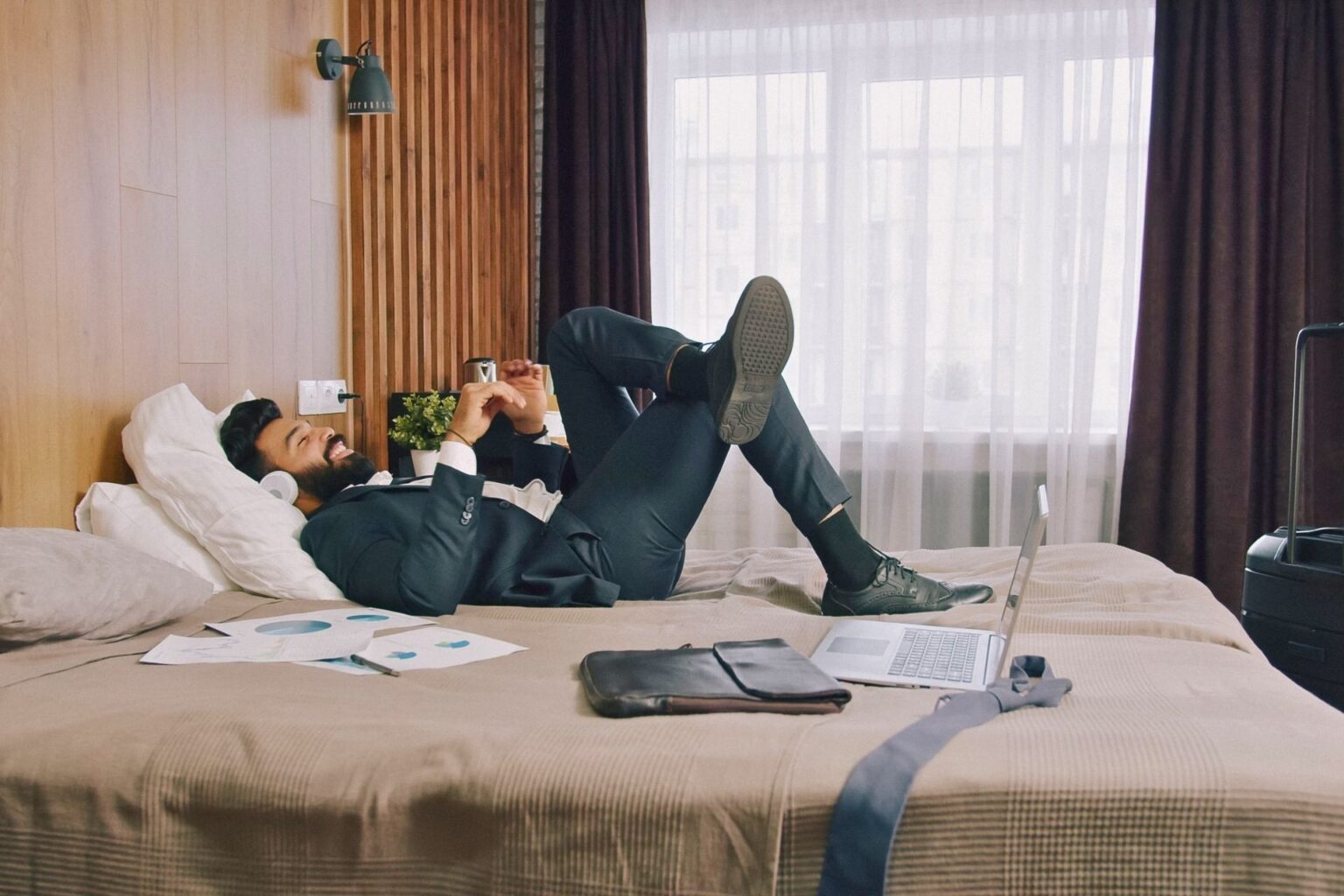
It is a little after 10 p.m. in a hotel that could be in any city. The meetings went well. The dinner went well. There is a room service tray outside the door, a deck open on the bed, and a phone that has been face down for an hour, because there is no one it would make sense to call. Nothing is wrong, exactly. That is the part people find hardest to explain.
The travellers in this piece are composites drawn from patterns I see often, not any one client.
I hear about that evening most often from people who have, by every outside measure, made it. A 2026 CEREVITY report, 88% of High Achievers Say Success Made Them Lonelier, reviewed 312 high achievers who sought therapy through the CEREVITY network.
88% said reaching the success they worked toward left them lonelier, and 61% said the number of people they could be fully honest with had shrunk. That is a help-seeking group, not a random sample, but the pattern will be familiar to anyone who has spent a season living out of a carry-on. The road does not create that narrowing. It gives it a room with a view.
Why the road turns success into solitude

Frequent business travel quietly removes the small, unplanned contact that keeps a person known: the neighbour at the mailbox, the regular at the gym, the friend who texts “walk?” on a Thursday afternoon.
What remains on the road are relationships with a role attached. The client across the table. The team you flew in to steady. The colleague who reports to you and laughs a little too quickly at your jokes. Every one of those conversations is being managed, by them and by you.
That is why a full week of handshakes can leave someone lonelier than a quiet week at home. Loneliness, as I use the word with high achievers, is not a shortage of people. It is a shortage of rooms where you do not have to perform.
Research on heavy travel points to the same conclusion. In a 2018 study in the Journal of Occupational and Environmental Medicine, Andrew Rundle of Columbia University’s Mailman School of Public Health and his colleagues found that employees who travelled for work 21 or more nights a month were more than twice as likely to report mild or worse depression symptoms as those who travelled one to six nights.
They were also more likely to report anxiety symptoms, trouble sleeping and signs of problem drinking. The study shows a link, not a cause, but it matches what the people living it describe.
A hard travel season or a lonely one?

Some stretches of travel are simply hard: long days, bad sleep, too many airports. Those pass. Loneliness behaves differently, and it tends to show itself in four places.
- When something goes well. In a hard season, you still call someone with the good news. In a lonely one, the deal closes or the keynote lands, and you notice there is no one you want to tell.
- What the evening is for. A tired traveller uses the hotel evening to recover. A lonely one uses it to disappear, with a second drink, a third episode, or work until sleep, because the quiet feels worse than the fatigue.
- How you come home. After a hard trip, most people are glad to be back and reconnect within a day or two. After a lonely stretch, home can feel like one more stop, and you find yourself still in hosting mode with your own family.
- Who has the real version? If the honest account of how you are doing lives only in your own head, the season has crossed into something that rest alone will not fix.
What to change before the next trip
None of this requires giving up the seat at the front of the plane. It asks for a few deliberate changes to how you travel.
- Book one honest conversation per trip, the way you book meetings. A standing call with someone who knew you before the title counts. So does a sibling, an old roommate, or a friend from a different industry entirely.
- Keep one ritual that belongs to you, not the role. An early run along the river, an hour in a museum, breakfast without a laptop. It is a small room with no audience.
- Watch the evening drink. It is the easiest way to make a lonely room feel full for an hour, and the research above suggests heavy travellers reach for it more.
- Plan the landing, not just the trip. Protect the first evening home the way you would protect a client dinner.
When the road needs real support
If the hotel-room quiet has started following you home, take that seriously. It is one of the clearest signals you need at least one relationship where you hold no position at all, and a good clinician can be exactly that.
For people whose calendars are built around flights, that support has to fit the travel, not compete with it. Sessions by secure video from wherever you land, or work with an executive psychologist who understands how much of a leader’s life happens in transit, can turn a lonely season into a manageable one.
First class is a good seat. It was never meant to be the only place you get to sit down.
Martha Fernandez, LCSW, is a licensed clinical social worker and co-founder of CEREVITY, a private-pay concierge network of independent licensed clinicians built for high achievers.
She is the author of Wired to Burn: A Therapist’s Guide for High Achievers Running on Fumes (2026). Learn more at cerevity.com