
When we think about our dream holiday, we don’t imagine ourselves sitting by the pool or exploring a new city while replying to emails or doomscrolling on social media. However, for many travellers, that’s exactly what happens.
It’s easy to think a quick check of your emails or a scroll to see how your friends are doing will only last a few minutes, but as our phones come with us everywhere, it’s easy to spend longer on them than originally planned.
Because of our instant connectivity, unless you make a conscious decision to turn your phone off, even a holiday no longer guarantees a genuine break. Notifications and the temptation to capture every moment can prevent us from fully experiencing our destinations.
As a result, more and more travellers are realizing that one of the most valuable things they can bring home from a trip is a calmer, clearer mind.

The hidden cost of staying connected
Technology has transformed the way we travel. From digital boarding passes and translation apps to interactive maps and restaurant recommendations, our smartphones make exploring new destinations easier than ever. But there’s a difference between using technology as a helpful tool to get the most out of our holiday and allowing it to dominate our time away.
According to the Mental Health Foundation, reducing screen time before bed and making time for mindfulness are simple changes that can improve rest and help people better manage everyday stress.
Similarly, the World Health Organization notes that while digital technologies can support learning and connection, excessive use and unhealthy online environments can also contribute to poorer mental wellbeing, highlighting the importance of creating healthier digital habits. Holidays provide the perfect opportunity to reset many of these habits, but only if we allow ourselves the space to do so.
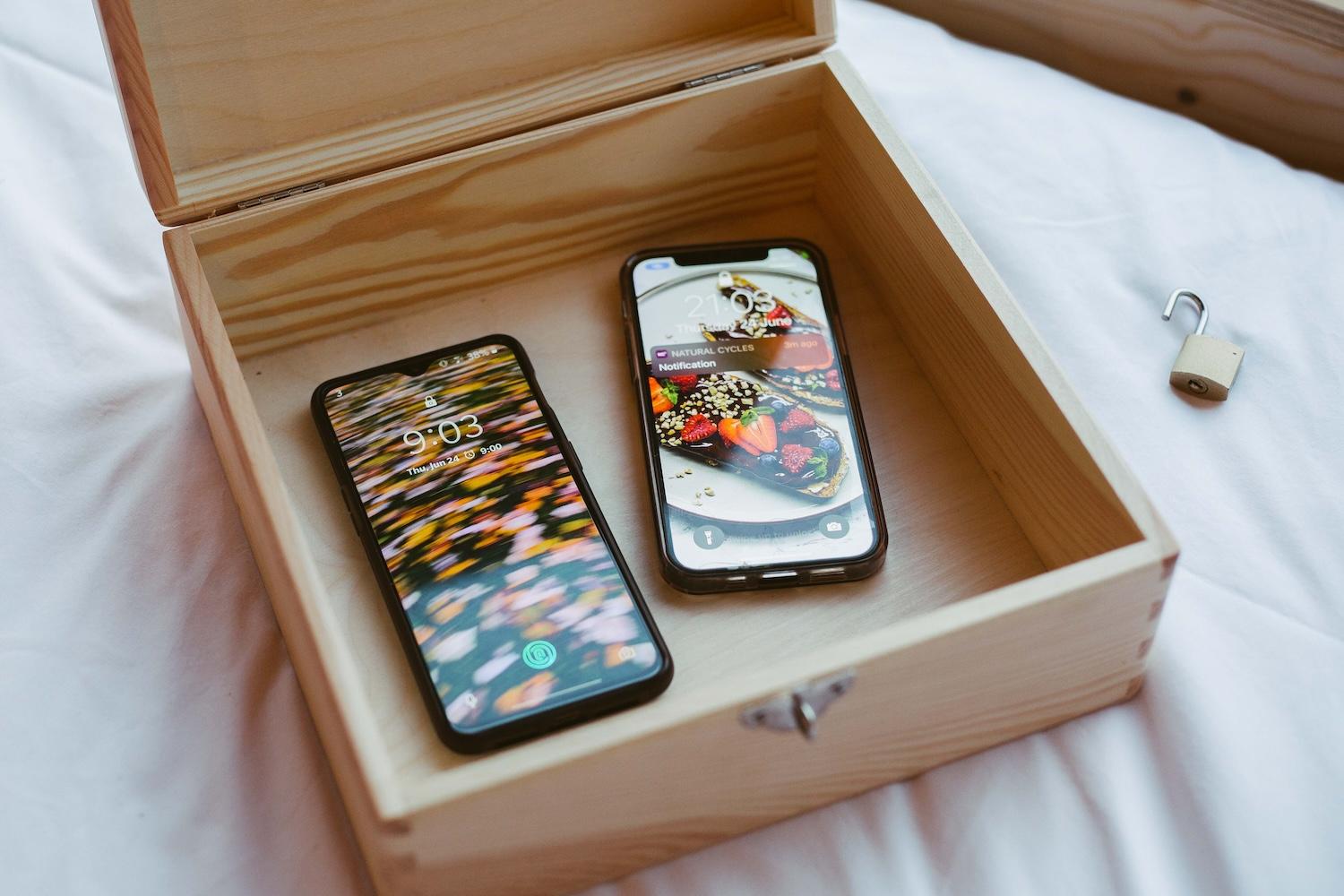
Being present is the real luxury
Think about your favourite holiday memories and experiences, and the chances are, they weren’t made from looking at a screen. Perhaps it was watching the sunrise over a stunning landscape, enjoying a delicious local dinner, or getting happily lost wandering unfamiliar streets. These moments stay with us because we experienced them without letting our smartphones take over.
Mindful travel encourages us to immerse ourselves in our surroundings rather than documenting every second. It’s about noticing the sounds of a bustling market or the smell of fresh food cooking nearby. After all, the less time we spend trying to capture every memory, the more we often remember them.
Why digital detoxes are becoming part of wellness travel
Traditionally, wellness travel has been associated with spas, yoga retreats and fitness escapes. But now, it’s more about creating space to breathe. Part of this is by digital detoxing.
Instead of abandoning technology altogether, travellers are choosing to use it more intentionally. That might mean switching off work notifications, limiting social media, or designating screen-free afternoons while exploring.
For those wanting practical ideas before their next trip, Original Travel’s Digital Detox Toolkit offers simple strategies for reducing screen time before, during and after a holiday, making it easier to enjoy the benefits of travelling more mindfully.

Five simple ways to disconnect without going completely offline
You don’t need to lock your phone away for an entire week to experience the benefits of a digital detox. Instead, focus on creating healthier boundaries.
1. Put your phone away during meals
Eating out is one of the easiest times to reconnect with your surroundings. Whether you’re sampling local food or sharing stories with your travel companions, keeping your phone out of sight allows you to be fully present.
2. Start and end the day screen-free
Instead of reaching for your phone as soon as you wake up, spend the first few minutes enjoying the quiet. Likewise, avoiding your screen before bed can help improve sleep quality and make it easier to relax.
3. Let yourself get pleasantly lost
While navigation apps are useful, not every walk needs a destination. Some of the best experiences happen when you wander without a plan, discovering hidden churches or quiet viewpoints you might otherwise have missed.
4. Take fewer photos, but better ones
Rather than photographing everything, pause before taking a picture. Ask yourself whether the moment is worth remembering or whether you’d rather experience it. Often, a handful of meaningful photos become more valuable than hundreds sitting in your gallery.
5. Set realistic boundaries with work
If you’re worried about missing something important, schedule check-ins each day instead of remaining permanently available. Let people know when you’ll be offline before you travel, helping to manage expectations and permitting yourself to properly switch off.

Bringing the benefits home
Spending less time on your phone while travelling doesn’t mean that you have to go back to your old ways when you get home. Instead, bring these small habits back with you. Walking without headphones, keeping phones away from the dinner table or setting aside regular screen-free evenings can recreate some of the calm that holidays often provide.
Rather than seeing a digital detox as an all-or-nothing challenge, it’s more helpful to think of it as a chance to build a healthier relationship with your phone.
The souvenir that lasts longest
Travelling has always been about relaxing and discovering something new. Sometimes that’s a destination, a culture or a different way of life. Increasingly, it’s also an opportunity to rediscover ourselves. A holiday that leaves us calmer, more rested and more present offers benefits that extend far beyond the journey itself.
Perhaps that’s the real luxury of travel: noticing more. And in a world that rarely stops demanding our attention, returning home with a clearer mind might just be the best souvenir of all.