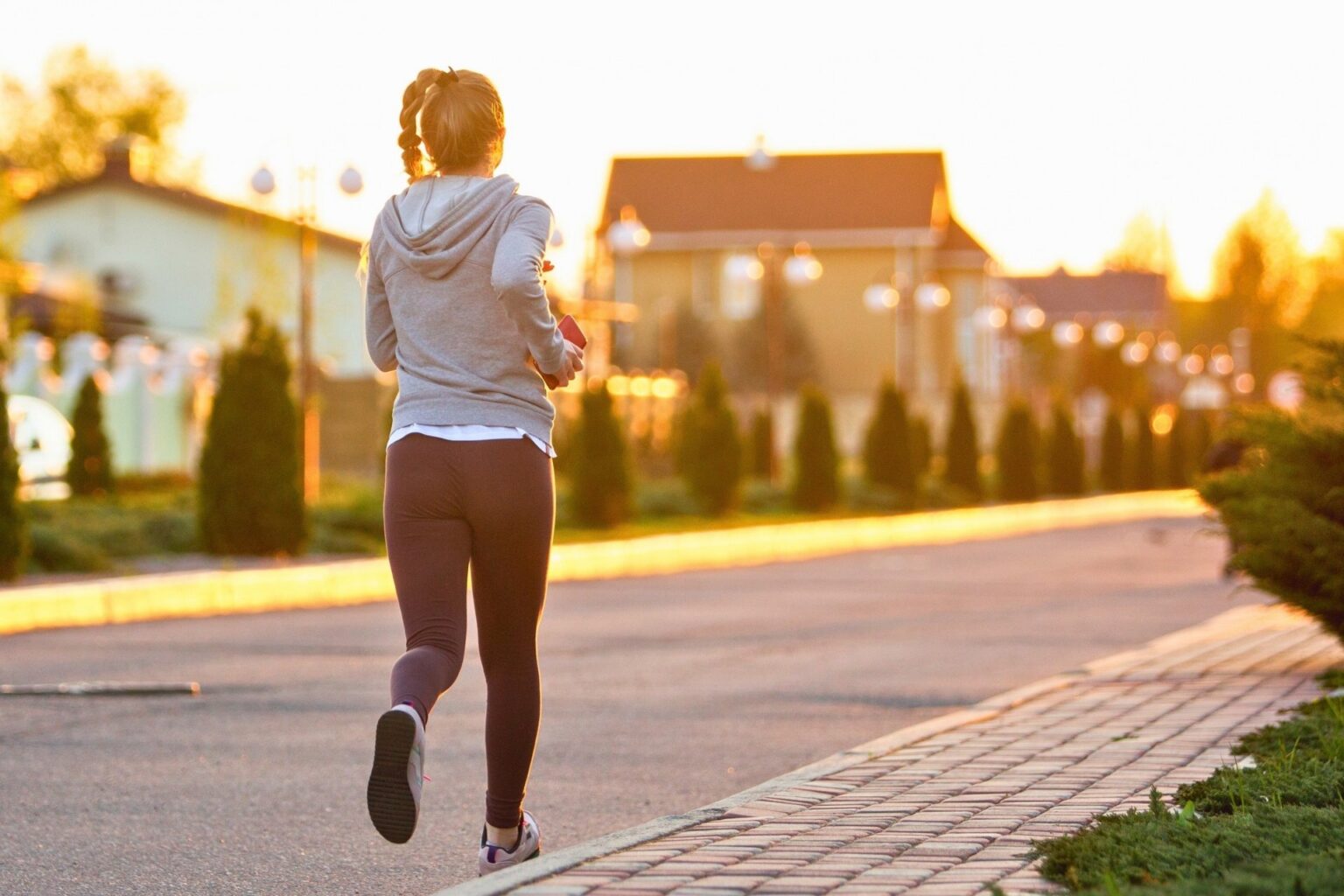
Most of the running aisle can wait until you have three months of training under your belt.
For your first season, keep it to a pair of shoes chosen for comfort, a supportive sports bra for women, a way to carry water once runs pass an hour, synthetic-fibre socks, and reflective strips for anyone who runs near dark.
Shoes cost the most by a wide margin. A 2023 analysis of running shoe prices found an average of $124 USD for a daily road trainer, and every other item on the list costs less than that.
Shoes Chosen for Comfort
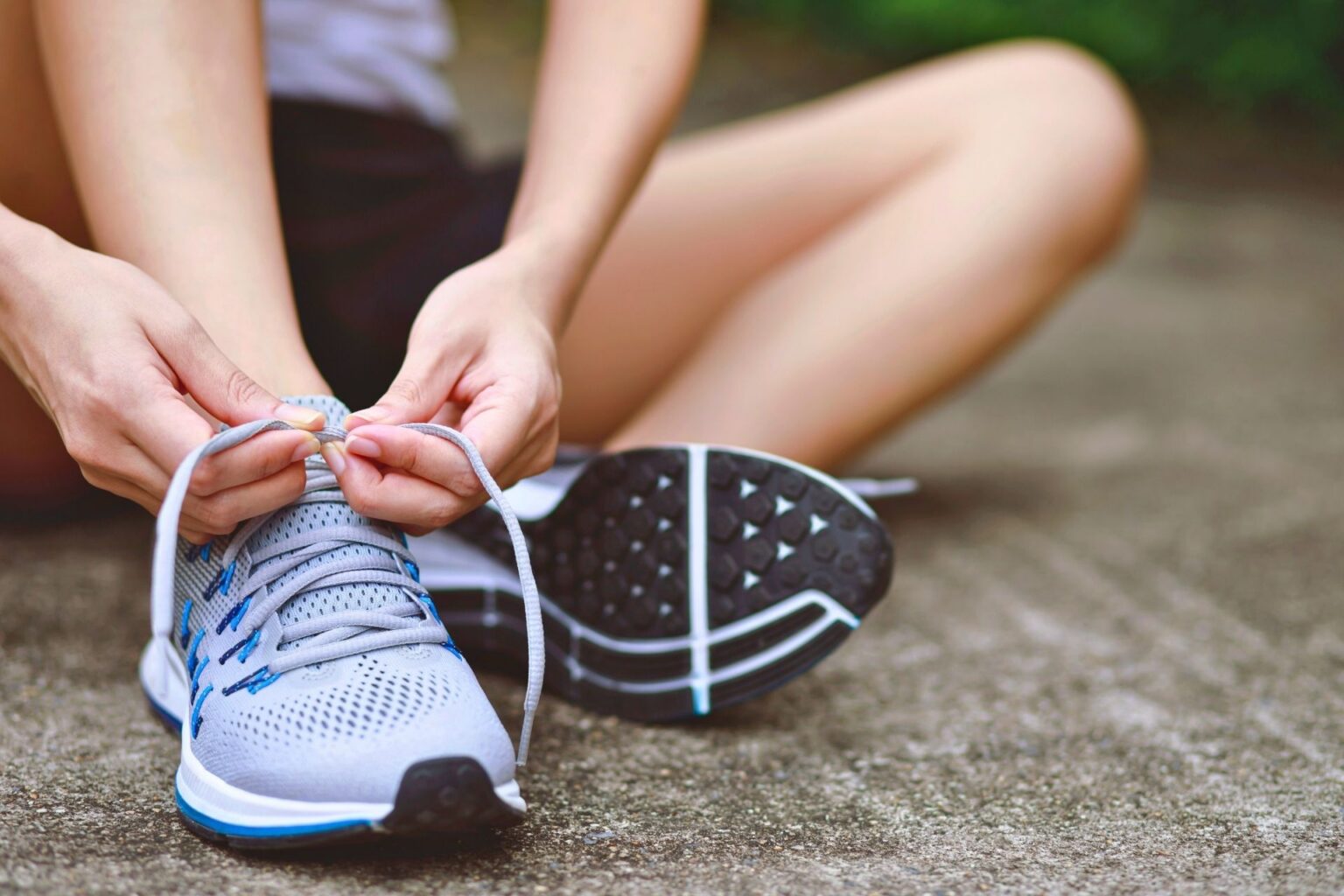
In 2015, biomechanist Benno Nigg and colleagues reviewed the evidence on running shoes and injury in a paper for the British Journal of Sports Medicine and proposed an approach they called the comfort filter. A runner who picks the shoe that feels most comfortable tends to keep their natural movement path, and the authors suggested this may lower injury risk without any special correction.
Later research has supported the idea. A 2025 secondary analysis of a randomized trial in leisure-time runners, published in the European Journal of Sport Science, found that runners who rated their shoes as more cushioned and liked them more overall had a lower risk of running-related injury. For a beginner, that means trying several pairs, jogging a few steps in each and buying the one that feels best on the foot, regardless of brand or colour.
That 2023 price analysis also found that carbon-plated road shoes averaged $205 at full price, close to $80 more than a daily trainer. Plated shoes are built for racing, and a first-month runner gets little from them. Trail shoes averaged $136, and their deeper tread is designed for dirt and rock paths.
A daily trainer from the previous season’s lineup is often discounted, which saves money if the fit stays the same. One comfortable pair, used 3 or 4 times a week, is enough for the first season.
A Supportive Sports Bra
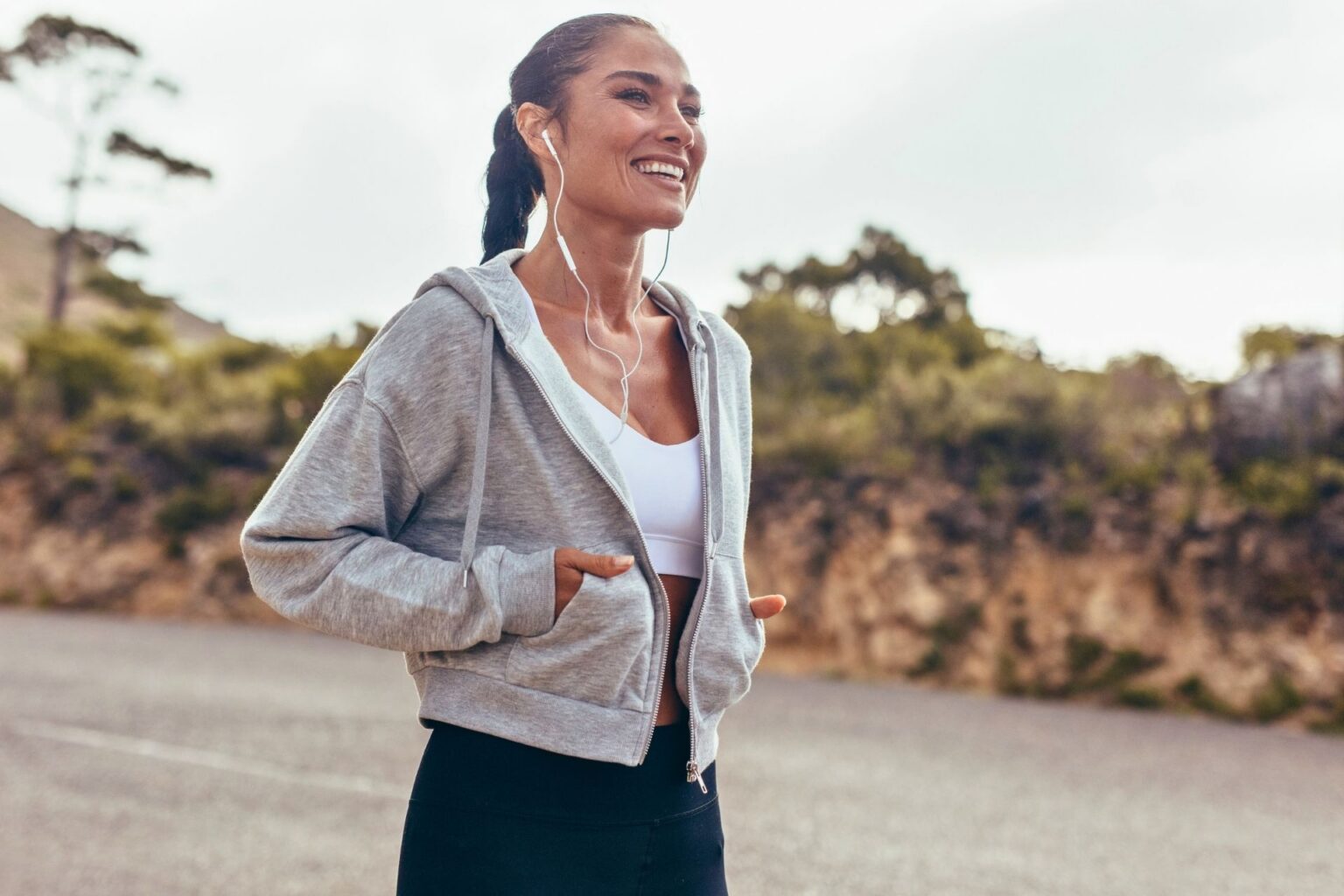
Researchers in the Research Group in Breast Health at the University of Portsmouth have recorded breast movement of up to 21 cm during exercise, and the group reports that 72% of exercising women have breast pain during physical activity.
A well-fitted sports bra reduces that movement, and the Portsmouth team found that wearing one cut pectoral muscle activity by 55%. Check the fit at a running pace, with a few jumps or a short jog in the fitting room, since a bra that feels secure while standing still can move a lot once the runner is moving.
A Way to Carry Water
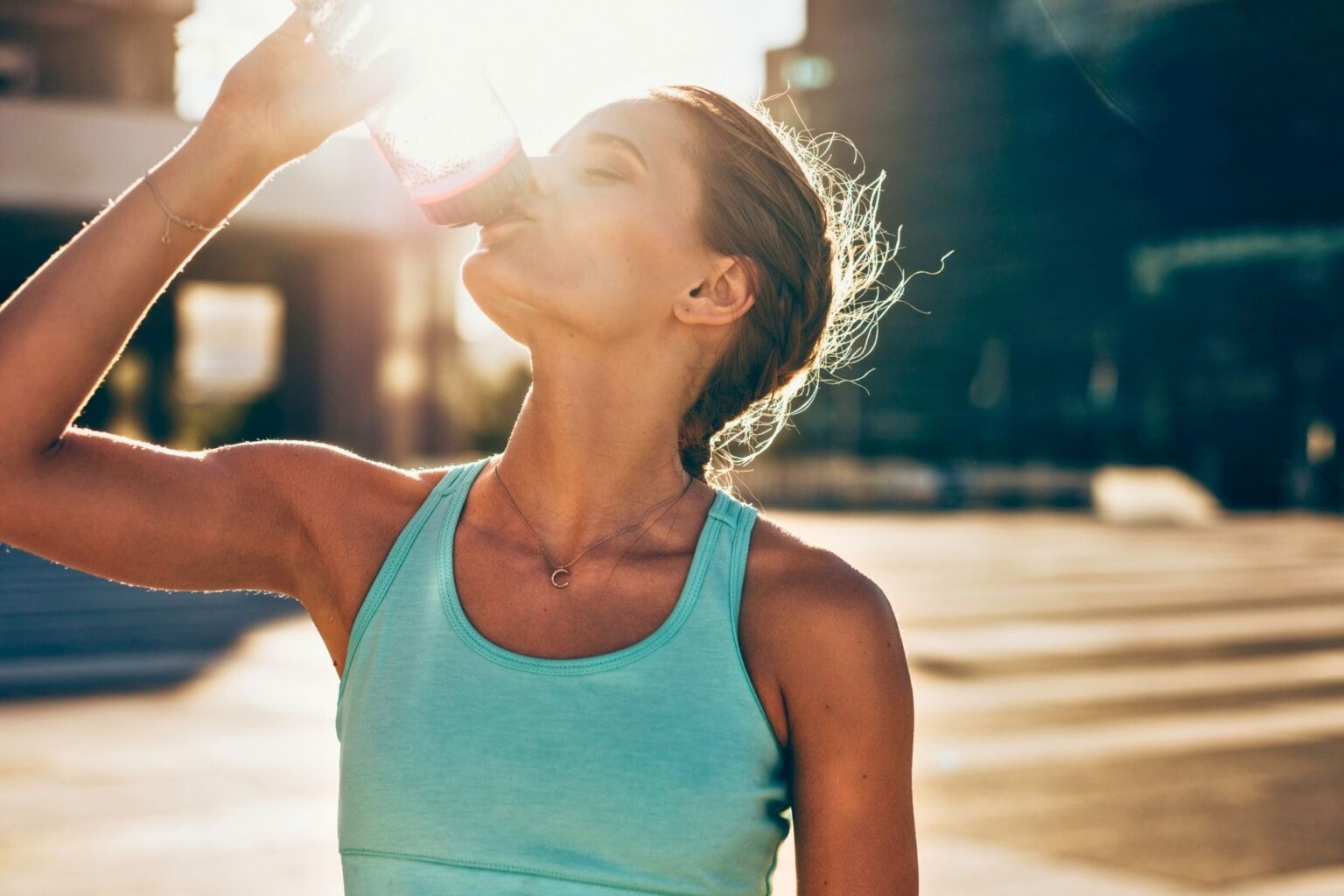
Short runs need no fluid during the session. The working group on sports nutrition of the German Nutrition Society states that athletes can do endurance exercise up to 60 minutes without drinking during the activity, as long as they start well hydrated and drink afterward. The German group also advises athletes to trust their thirst during longer efforts, since drinking far beyond thirst increases the risk of low blood sodium.
Runs longer than an hour need fluid, particularly in summer. Handheld water bottles for running are the lightest way to start, and waist belts or small vests hold more fluid for long weekend runs. A route that loops past a public fountain is a free alternative on cooler days.
A bathroom scale shows how much fluid a long run costs. Weigh before and after a session, then subtract anything you drank along the way to get the loss in pounds. The National Athletic Trainers’ Association position statement on the subject links losses of about 2% of body weight to reduced function and advises against gaining weight during exercise, since a gain means the runner drank too much.
A runner who drops 3 pounds on a 150-pound frame during a summer long run has reached that 2% mark, and a few weigh-ins across the season settle what size of bottle to carry.
Synthetic Socks
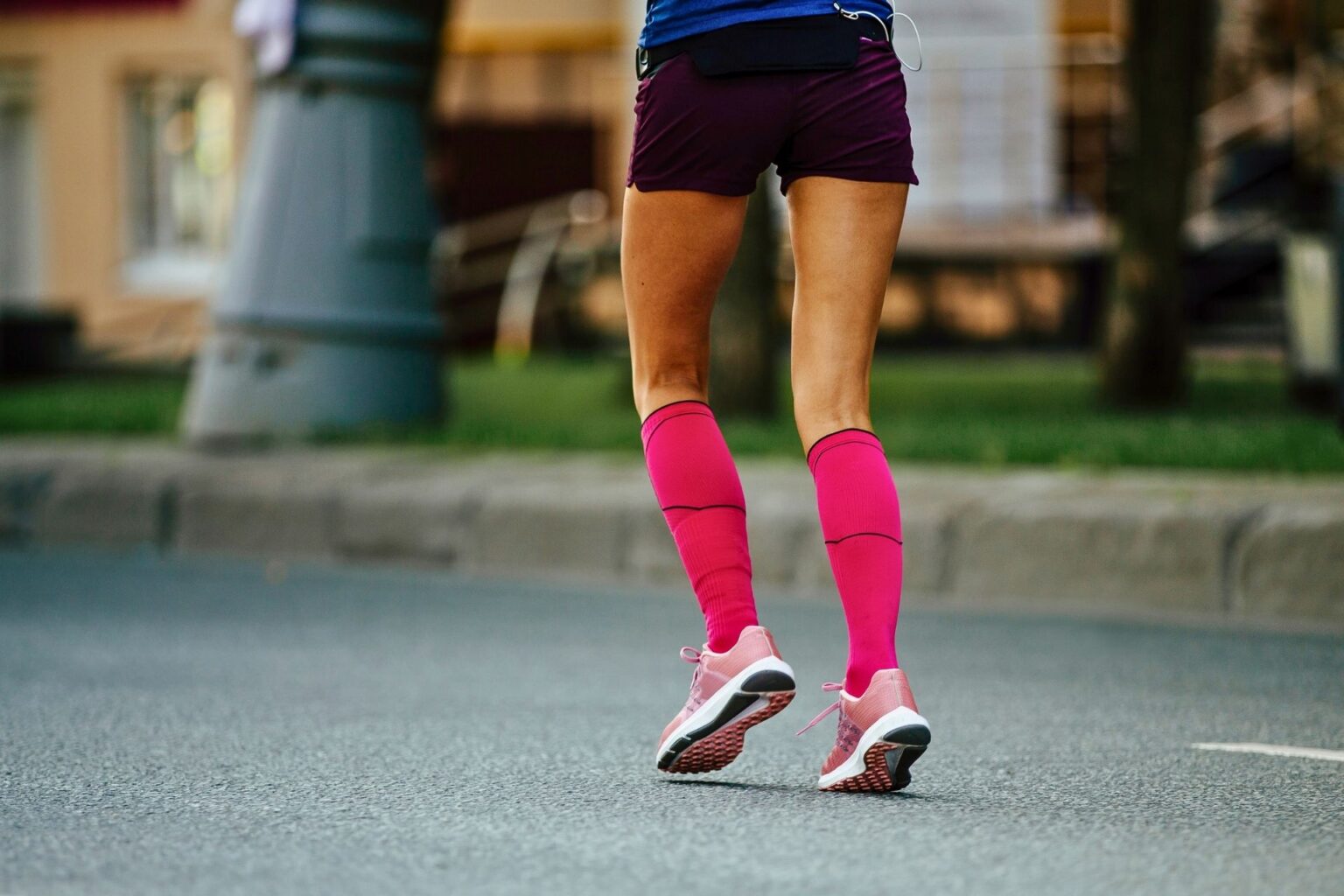
Cotton socks commonly cause blisters in new runners. The American Academy of Podiatric Sports Medicine summarizes the studies by Herring and Richie, which found that acrylic socks reduced both the number and the severity of friction blisters in runners compared with cotton.
Each fibre handles sweat differently. According to that summary, cotton retains 3 times the moisture of acrylic and stays wet about 10 times longer once exposed to air. Wet cotton also swells by about 45%, compared with less than 5% for acrylic, and the swollen fibres slow moisture movement away from the skin.
A more recent study linked blisters to moisture inside the sock, with no link found to fibre content alone. Both findings point to one purchase: synthetic blends stay drier than cotton. A snug fit with no loose fabric at the heel or toe matters as much as the material.
Reflective Strips for Ankles and Knees
Most pedestrian deaths in North America happen after dark. In 2022, 78% occurred after dark, according to the U.S. National Highway Traffic Safety Administration.
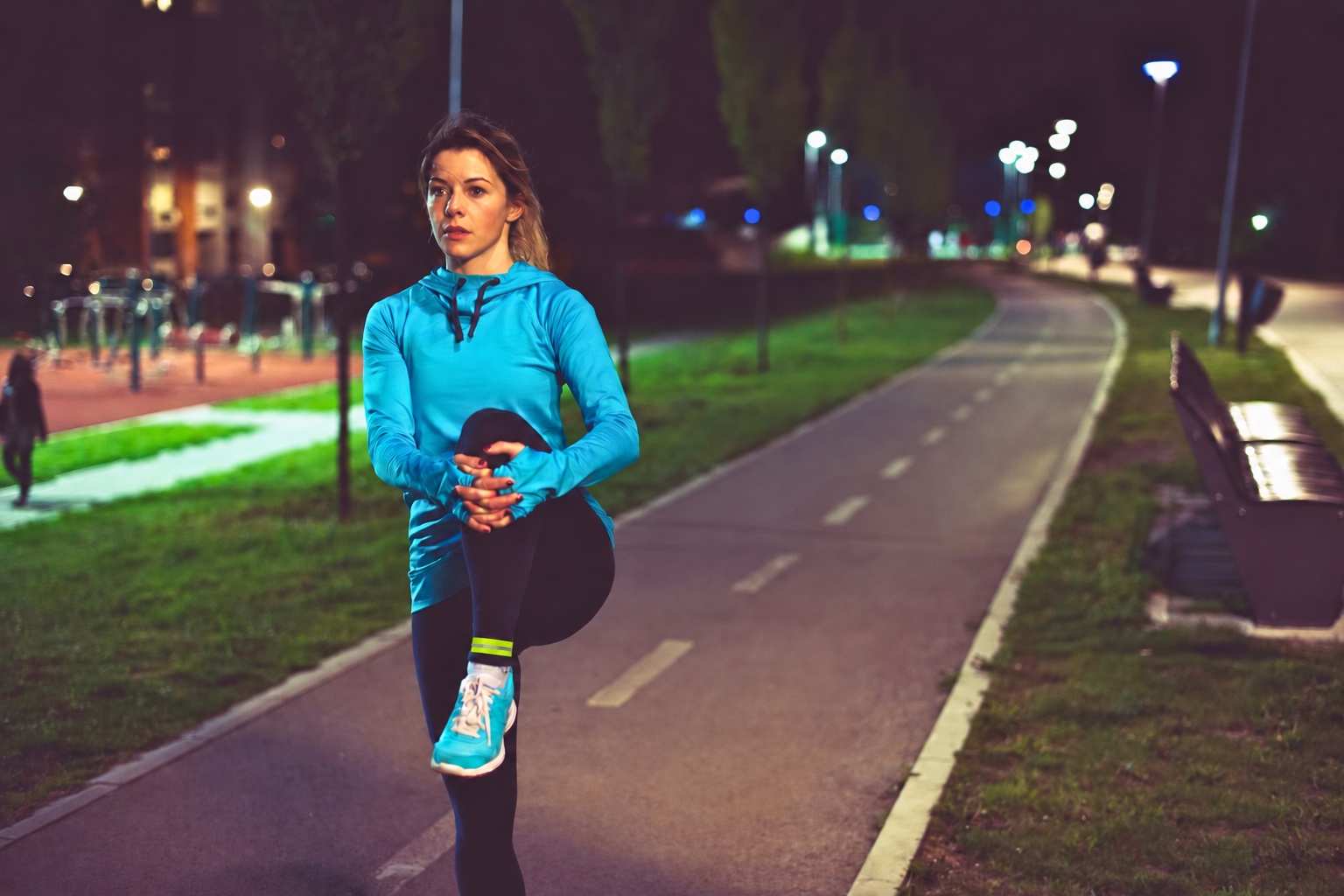
Where reflective material is placed on the body changes how quickly a driver recognizes a person. In research led by Joanne Wood of Queensland University of Technology, drivers correctly recognized 90% of cyclists who wore a reflective vest plus reflective strips on the ankles and knees. Recognition fell to 50% with a reflective vest alone, 15% with fluorescent clothing, and 2% with black clothing.
The researchers explain the gap through biological motion. Strips on moving joints show the up-and-down pattern of a human body, and drivers identify that pattern quickly as a person.
Velo’s review of reflective and fluorescent clothing notes similar results in studies of pedestrians at night, which matches the situation a runner on an early-morning or evening route faces. Reflective ankle bands fit over any tights or shorts, and a small clip-on light adds a second signal on roads without streetlights.
The First-Year Shoe Budget
Running watches, compression sleeves, foam rollers and plated racing shoes can all come later, once a runner knows how often they will train and what distances they enjoy. A free phone app records distance and pace well enough for a first training plan.
For the first year, plan around $124, the average price of a daily road trainer, because shoes are the one item on this list where spending properly makes a difference.