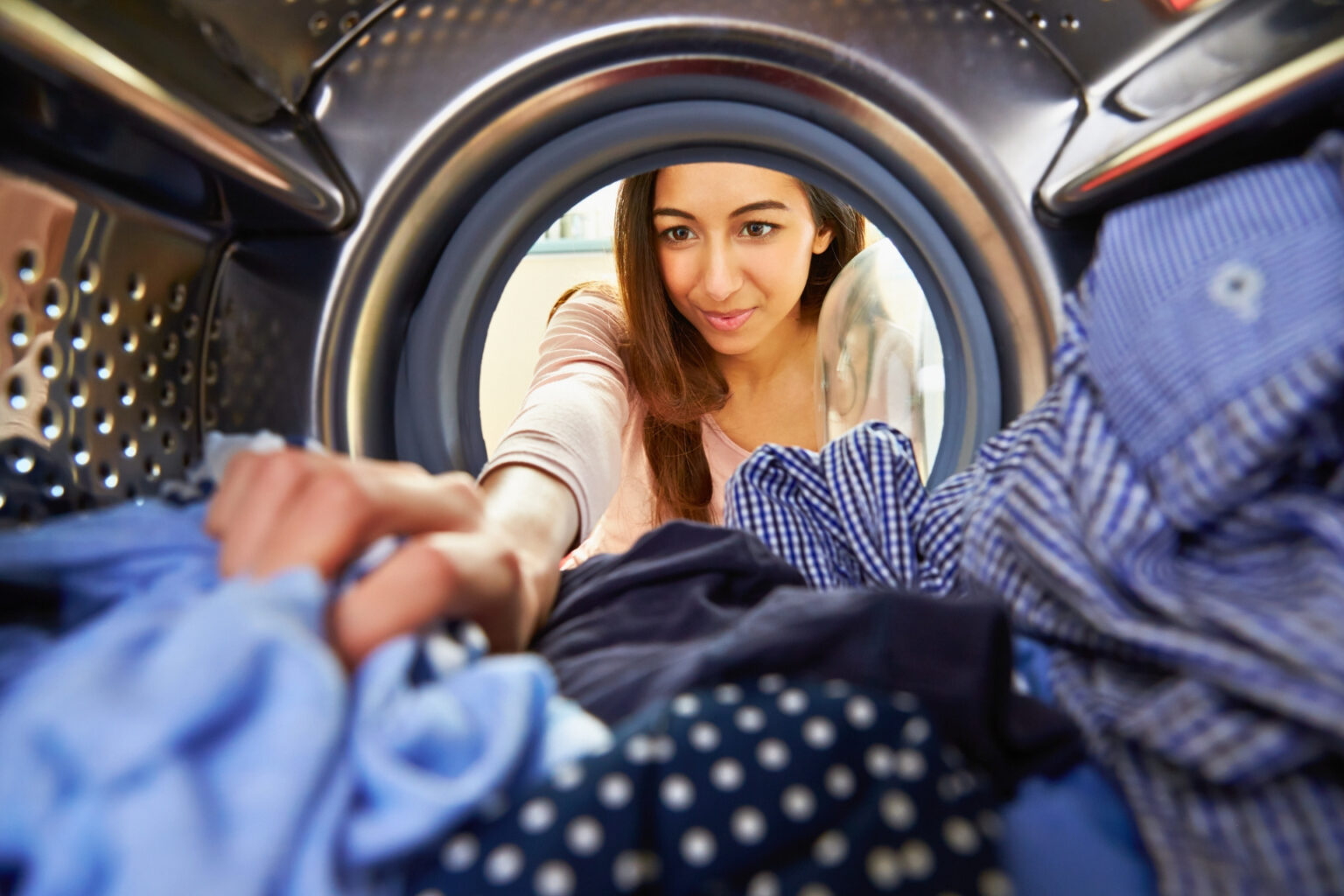
Clothes rarely wear out from a single bad wash. They wear out from a hundred small habits repeated over months: the wrong temperature, an overloaded drum, a stain left to set overnight. The good news is that none of these habits are hard to fix once you know which ones matter.
Here are seven changes that actually extend the life of your wardrobe, starting the next time you load the machine.
Sort Before You Wash, Not Just by Colour
Most people sort laundry by colour and call it done. That catches the obvious problem, dye transfer, but misses a quieter one: fabric weight.
Heavy items like jeans and towels agitate differently than lightweight knits and activewear. Washed together, the heavier pieces can stretch seams and pill the delicate ones through friction alone. Separate by weight, texture, and colour, and set aside anything with zippers, hooks, or embellishments so it doesn’t snag a neighbouring garment.
It helps to think of sorting as a two-pass job. The first pass is colour, to stop dye bleed. The second pass is weight and construction, to prevent mechanical wear. Skipping the second pass is how a favourite T-shirt ends up with tiny pulls it never had in the store.
Match the Water Temperature to the Fabric, Not the Dirt
It’s tempting to wash everything hot because hot “feels” cleaner. In practice, heat is one of the fastest ways to shrink natural fibres, fade dark dyes, and set protein stains like sweat or blood permanently into the fabric.
Cold and warm water handle most everyday loads just fine, especially with a detergent built to perform at lower temperatures. Save hot water for genuinely soiled items like bedding or workout gear, and check the care label before you assume a garment can take it.
Give the Machine Room to Work
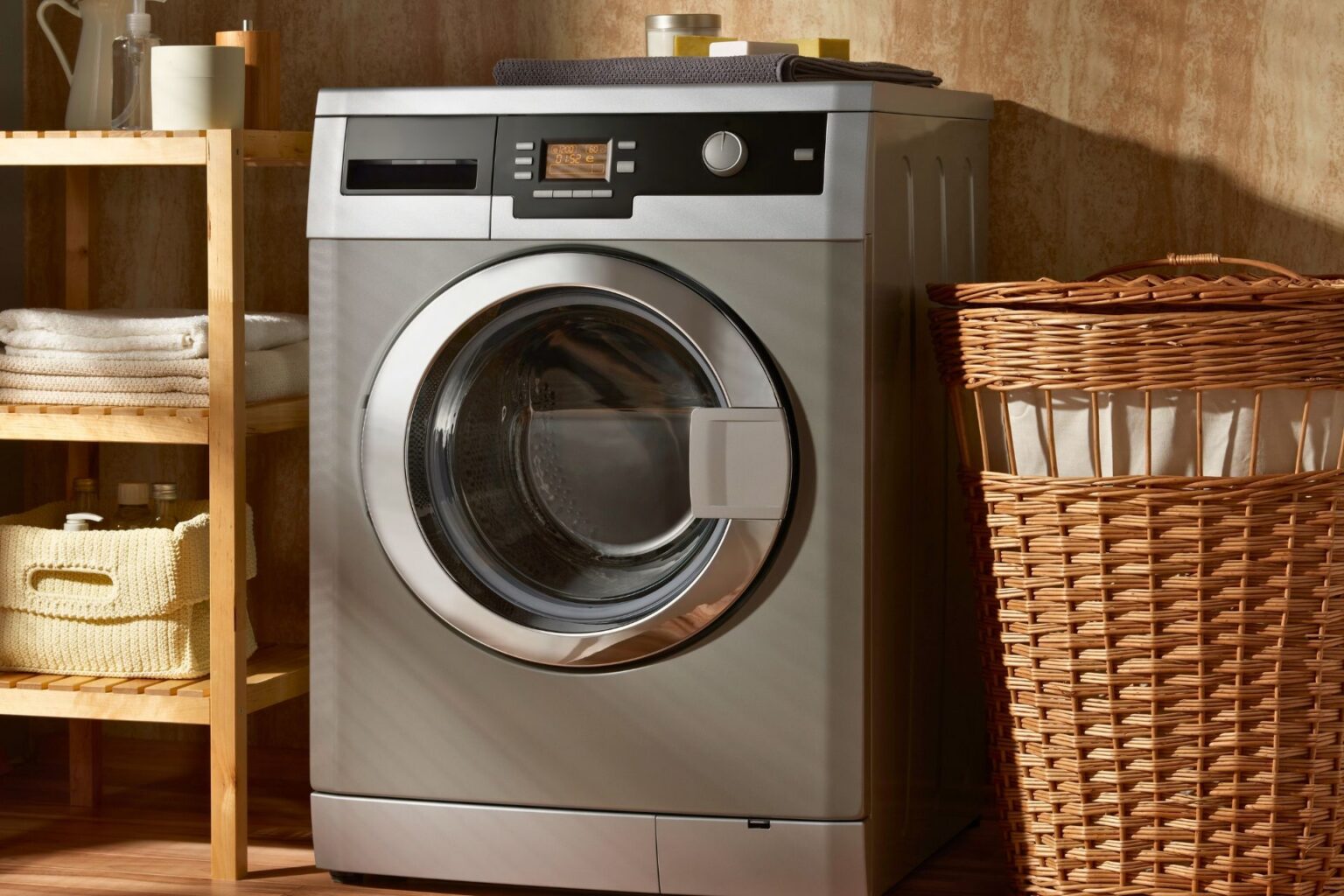
An overloaded washer can’t actually clean well. Clothes need space to move freely through the water so detergent can rinse through the fibres instead of sitting on the surface of a tightly packed load.
A good rule of thumb: if you can’t see water moving between the clothes once the cycle starts, pull a few items out and run a second load. This single change improves both cleaning and the friction damage that dulls fabric over time.
It’s a hard habit to build because an overloaded machine still finishes the cycle and the clothes still look clean when they come out. The damage—thinning fabric and dulled colours—only becomes obvious months later, which is exactly why it gets overlooked in the first place.
Choose a Detergent That Actually Matches the Job
Not all detergents are built the same way, and the difference shows up over months of washes, not after one load. Enzyme-based formulas break down protein and oil stains at the molecular level instead of relying purely on heat and agitation, which means they can work effectively in cooler water that’s gentler on fabric.
This matters more for certain categories of laundry than others. Towels, bedding, and workwear accumulate oils and body soil that a mild detergent struggles to fully release, which is part of why European formulations, including imported German Persil detergent, developed a reputation for strong performance in that segment: tighter manufacturing standards there have historically pushed concentrated, enzyme-heavy formulas as the norm rather than the premium option.
Whatever brand you land on, matching the formula to the load, rather than grabbing whatever is cheapest that week, is one of the more underrated fixes for dull, worn-looking clothes.
Dry With Intention, Not on Autopilot
The dryer is where a lot of damage happens invisibly. High heat breaks down elastic fibres in activewear and underwear, shrinks natural materials, and bakes in wrinkles that make everything look tired even when it’s clean.
Air-dry anything with elastic, delicate knits, or printed graphics. For everything else, a lower heat setting with a slightly longer cycle is gentler than blasting high heat to finish faster. If you’re drying with dryer balls or a few clean towels, you’ll also cut drying time and reduce the static that makes fabric cling and wrinkle.
Treat Stains the Same Day, Not the Same Week
A fresh stain is a chemistry problem. A three-day-old stain is closer to a dye. Once a stain sits through a few heat cycles or just enough time to oxidize, it bonds to the fabric in a way that no amount of extra detergent reliably reverses.
Blot, don’t rub, to avoid pushing the stain deeper into the weave. Treat it before it goes into the hamper if you can, even if that just means rinsing under cold water and letting it sit until wash day. The five minutes you spend on a fresh stain saves a garment that a week-old one won’t.
Keep a short mental list of what reacts to what. Oil-based stains respond to a pre-treat and cold water, not heat, which can actually cook the oil further into the fibres. Protein stains, grass, sweat, and blood also prefer cold water. Heat is the right call for very few stain types, which is the opposite of what most people assume when they reach for the hottest setting as a default fix.
Store Clothes So They Hold Their Shape
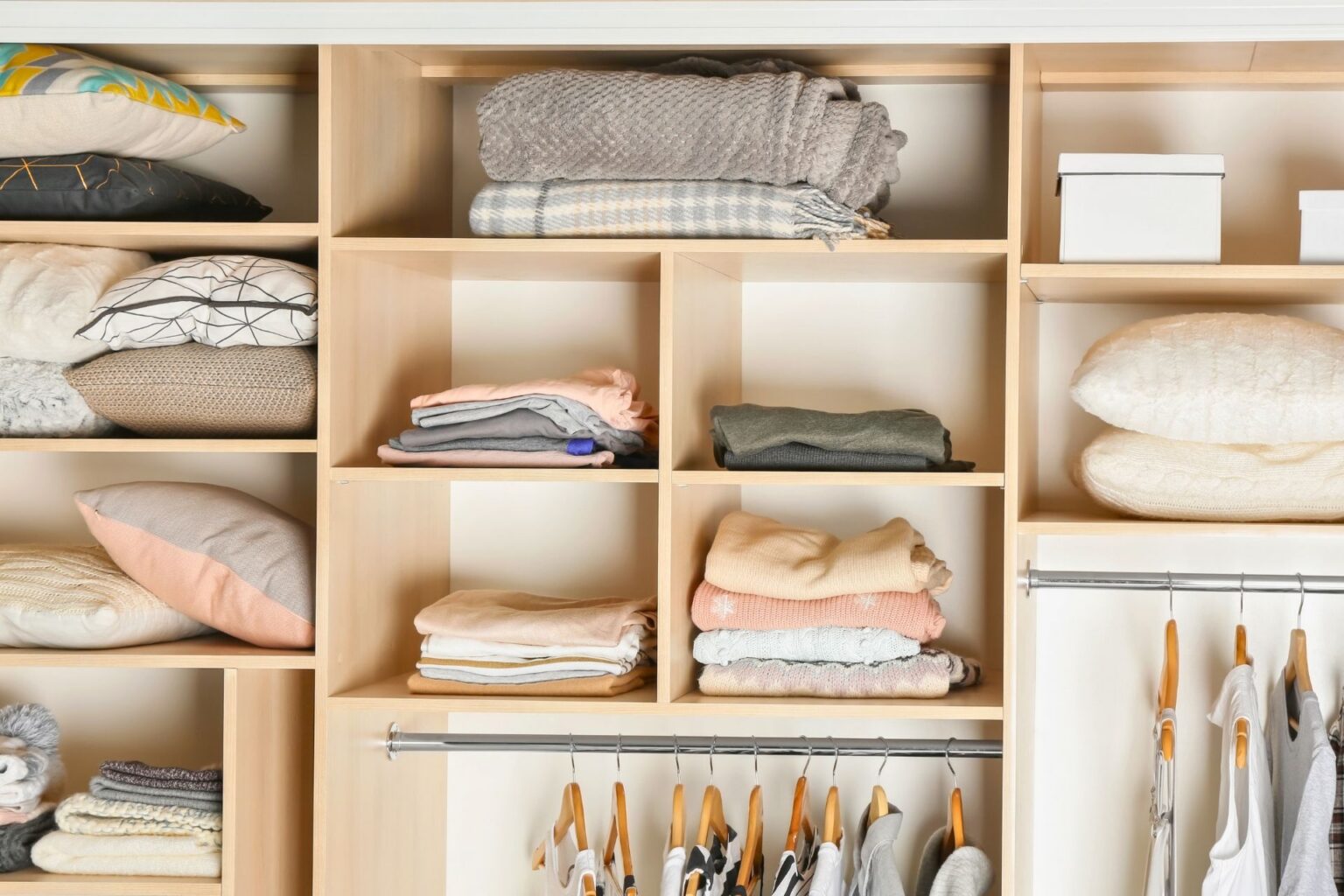
Washing and drying get most of the attention, but storage quietly undoes good laundry habits. Heavy sweaters hung on hangers stretch at the shoulders over a season. Folded items crammed into a drawer develop permanent creases. Humid closets invite mildew and musty odours that no amount of washing fully removes.
Fold knits instead of hanging them, give structured items like blazers enough hanger space that they’re not compressed, and keep closets ventilated with a dehumidifier or moisture absorber if the space tends to feel damp. None of this takes extra time once it’s a habit, but it’s the difference between clothes that still look new after a year and ones that look tired after three months.
Read More: Stylish Ways To Up Your Business Casual Attire
The Small Habits Add Up
None of these seven changes require new equipment or a bigger laundry budget. They require noticing a handful of moments—sorting, temperature, load size, detergent choice, drying, stain response, and storage—where a small adjustment compounds over dozens of washes into clothes that genuinely last longer and look better.
Pick two or three to start with this week. The rest will follow once you see the difference in your own closet.
