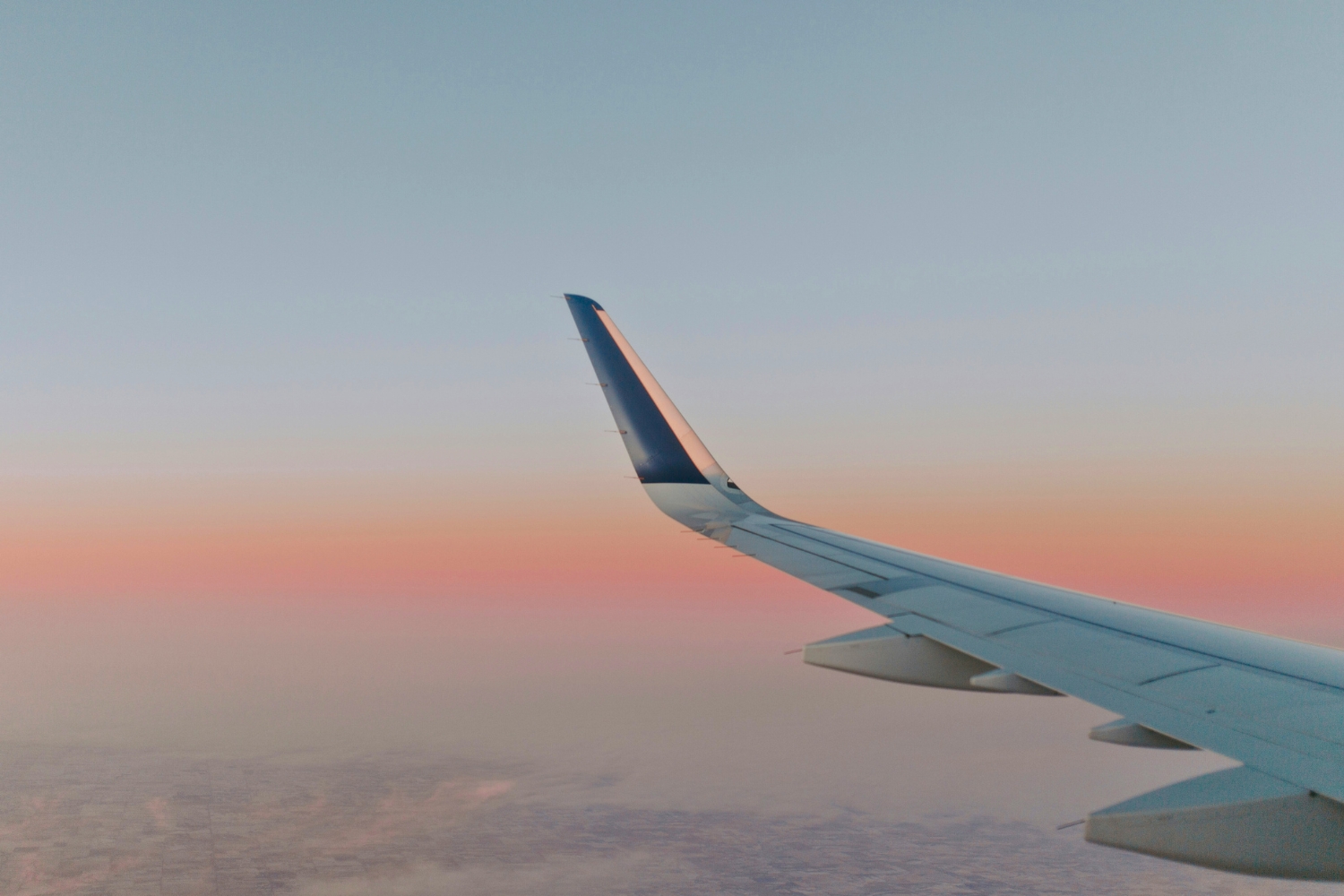
There’s a certain romance to flying—the window views, the anticipation of going somewhere new—but your skin doesn’t always feel the same way.
Somewhere between takeoff and landing, that familiar tightness sets in. Lips dry out. Skin feels dull, a little irritated, maybe even flaky by the time you arrive. It’s easy to blame the travel day itself, but new insights suggest something more specific: where you sit on the plane actually matters.
According to research and expert insights analyzed by Fresha, the global beauty and wellness booking platform, seat selection can quietly influence how much moisture your skin loses mid-flight.
Why flying is so hard on your skin
Cabin air is, simply put, very dry. Humidity levels can drop below 20%—drier than the Sahara—while recycled air, higher UV exposure at altitude, and limited movement all work against your skin’s natural barrier.
“People don’t realize that where you sit on a plane genuinely impacts your skin barrier,” says Danielle Louise, beauty expert on the Fresha app. “Window seats get the harshest UV exposure, even on cloudy days, because you’re thousands of feet closer to the sun and light reflects off the clouds. It’s a recipe for dehydration.”
Add in fluctuating airflow and temperature throughout the cabin, and some seats become noticeably harsher on your skin than others.
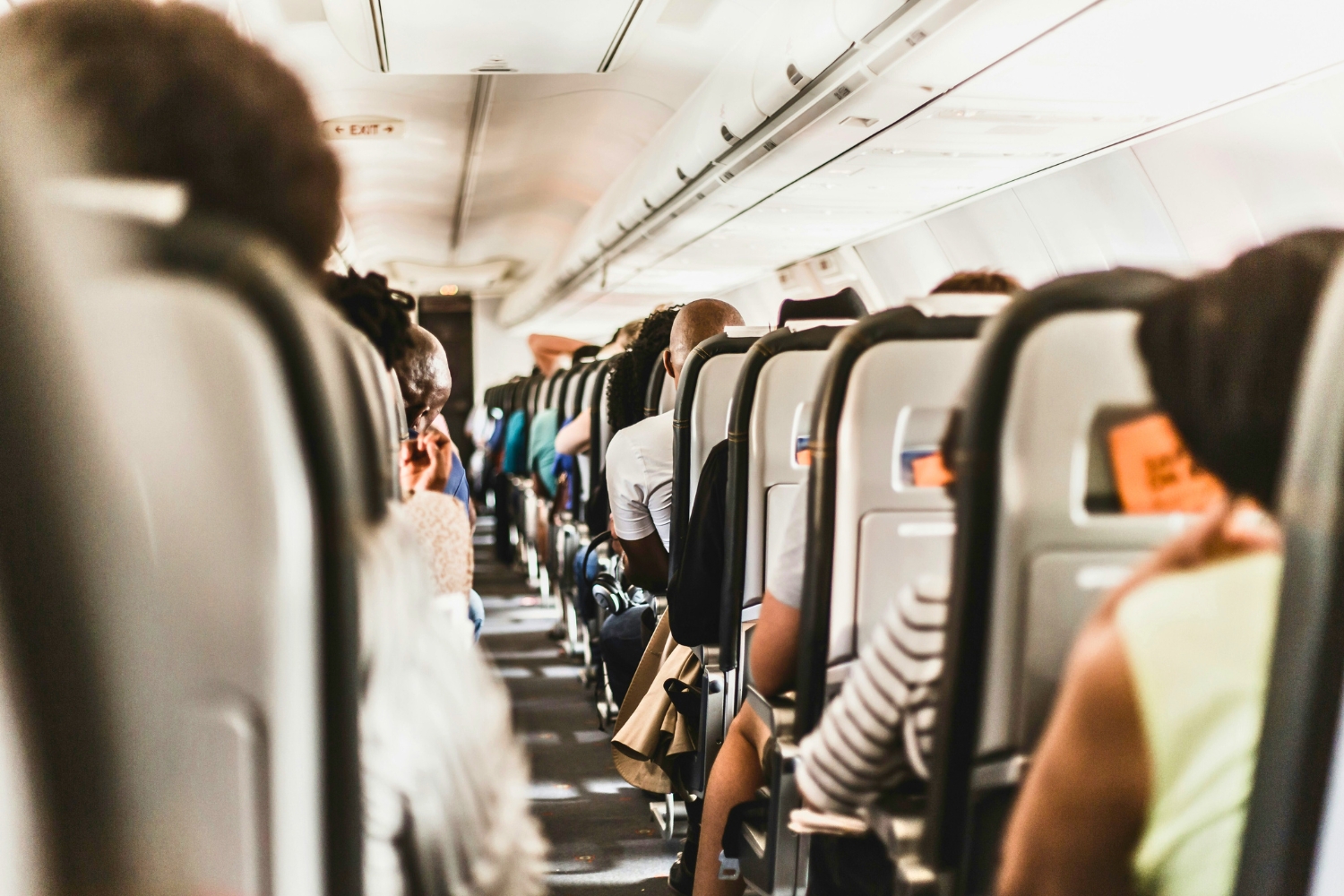
The seats that leave you most dehydrated
If you’re someone who instinctively books the window, this may be a tough read.
Window seats rank as the worst for skin health. They combine higher UV exposure, less airflow, and proximity to the cold aircraft wall—all of which draw moisture out of the skin more quickly.
Also on the “proceed with caution” list: the first and last five rows of the plane, where air pressure and humidity fluctuate the most, especially during takeoff and landing.
These zones can accelerate moisture loss, particularly if your skin is already sensitized by active ingredients such as retinol or exfoliating acids.
Where your skin fares better
Not all seats are created equal.
The most skin-friendly option? Aisle seats in the middle of the cabin. Here, airflow tends to be more stable, temperature swings are less extreme, and you’re more likely to move around—helping circulation and, indirectly, hydration.
There are a few other quieter wins:
- Seats above the wing experience fewer fluctuations in pressure and humidity
- Centre-block seats (B, C, D, E on larger aircraft) have been linked to less post-flight tightness and irritation
- Bulkhead rows offer more space, though direct airflow from vents can be a tradeoff
Simple ways to protect your skin in the air
No matter where you’re sitting, a few small shifts can make a noticeable difference.
Danielle Louise recommends:
- Skipping active ingredients (like retinol, AHAs, and BHAs) for 24 hours before flying
- Applying a barrier cream before boarding, rather than waiting until you’re already in the air
- Using a hydrating mist instead of face wipes, which can disrupt the skin barrier
- Wearing SPF—even on night flights, since UV rays still penetrate cabin windows
- Drinking water early and consistently, not just when beverage service comes around
It’s less about a 10-step routine and more about supporting your skin before it starts to feel depleted. Because arriving somewhere beautiful feels even better when you feel like yourself, too.