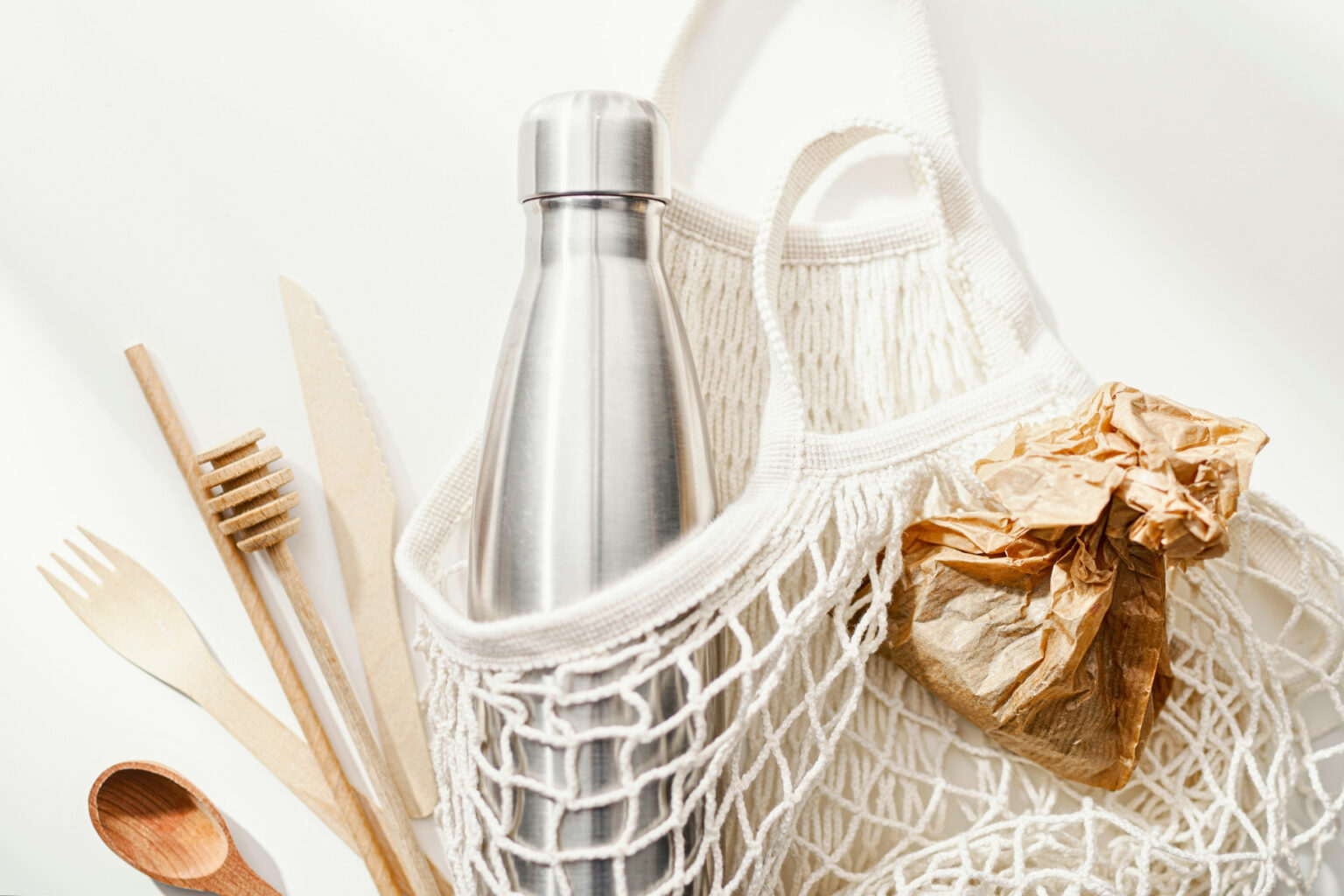
Less packaging, fewer throwaway purchases, and a little prep that leaves more room to enjoy the trip.
You leave the airport café with a coffee, a sandwich, and enough packaging to suggest you’ve bought a small appliance. By the time you reach your gate, most of it is in the bin.
Travel makes disposable things remarkably easy to accumulate. You’re hungry, you’re in a hurry, and the reusable cup you meant to bring is enjoying a quiet week at home.
Zero waste travel is a useful ambition, but “zero” is a tall order when you don’t control how your flight is catered or where your hotel’s rubbish goes. Reducing the waste you can avoid is a much more workable place to start.
You also don’t need a matching collection of bamboo accessories. A few things you already own, packed where you’ll actually use them, can help.
1. Bring a water bottle—and know where to fill it
Choose a bottle you like carrying and keep it accessible. Refill at clearly marked drinking-water stations or ask your accommodation where safe refills are available.
A filter bottle isn’t an automatic solution wherever you travel. Filters vary, and some don’t remove viruses. Where tap water is unsafe, use properly treated water or commercially sealed bottled water from a trusted source. Your stomach deserves a holiday, too.
2. Give your coffee a proper cup
If you regularly order takeaway coffee, a reusable cup can earn its place in your bag. Ask whether the café accepts it before ordering, and keep it clean between uses.
Better yet, when there’s time, sit down and drink from a real cup. You might notice the neighbourhood, have a conversation, or discover that the pastry requires your full attention.
There’s a rather good argument for this in When Did Your Holiday Become a To-Do List?
3. Pack snacks you actually want to eat
Bring a few favourites in a reusable container: crackers, nuts, or something homemade that travels well. This gives you an alternative to buying individually wrapped snacks every time hunger catches up.
Be realistic about quantities, and check your destination’s food import rules before crossing a border. A beautifully packed lunch is less useful if you have to surrender it on arrival.
4. Let one container do several jobs
A lightweight, leakproof container can carry snacks on the outward journey, a bakery purchase during your stay, and something fragile on the way home.
Ask before requesting that a café or restaurant to use your container; some businesses can’t accept them. And pack one you already own. A perfectly serviceable plastic lunchbox doesn’t need replacing simply because stainless steel photographs better.


5. Keep a shopping bag within reach
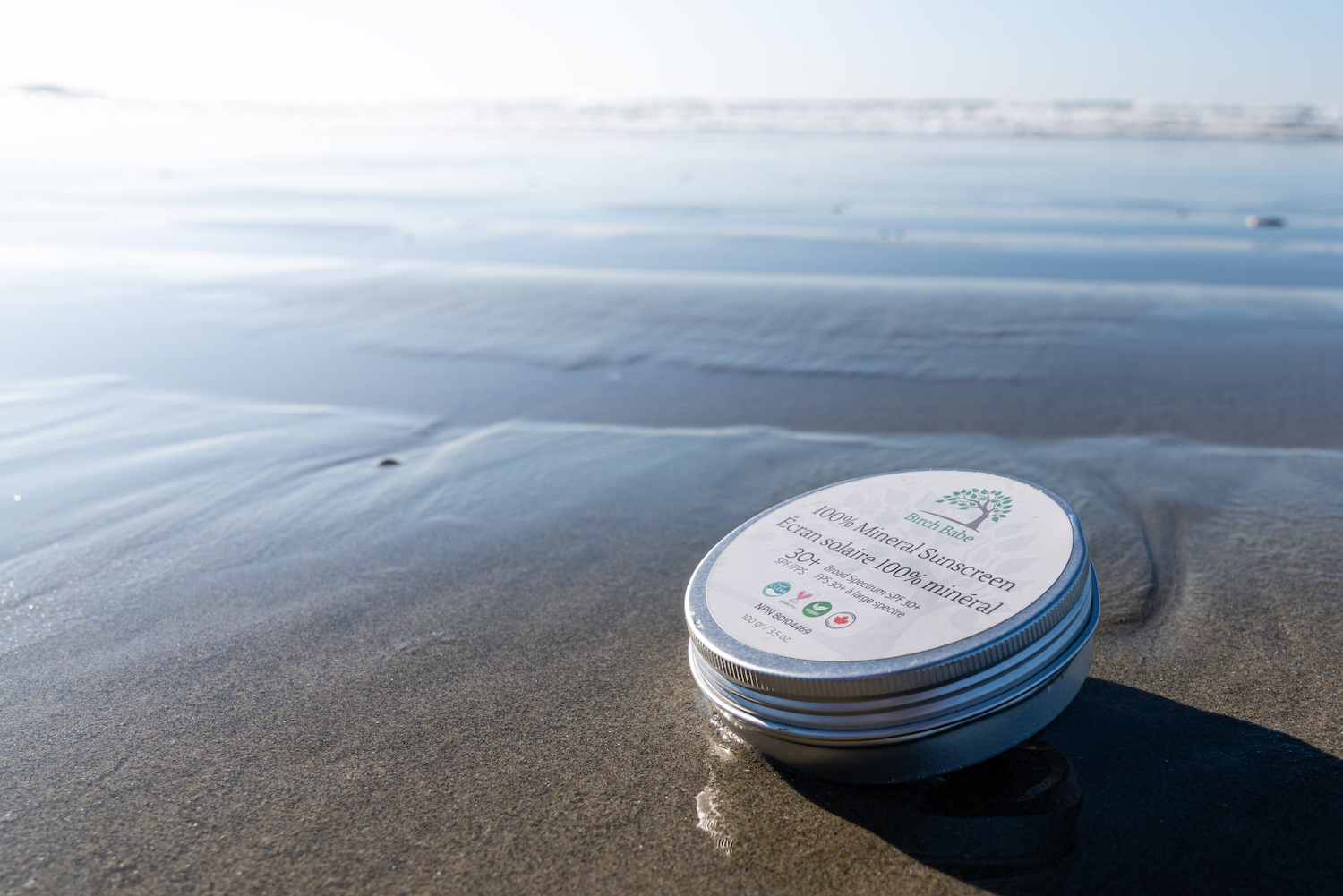
The tote at the bottom of your suitcase has limited influence over the bag you’re offered at the market.
Instead, keep a compact reusable bag in your daypack or handbag. Add a small washable pouch if you regularly buy loose produce or bread, but skip the elaborate system if one bag will do.
The best travel kit is the one you’ll remember to use.
6. Bring the utensils you need
A spoon or fork and a cloth napkin may cover most of your takeaway meals. You don’t need to bring a full place setting to lunch.
If you’re flying, check the security rules for your route before packing cutlery, especially knives. Bamboo doesn’t come with a universal airport-security exemption.
Decline disposable utensils when you order, before they’ve been tucked into the bag.
7. Be selective about the extras
If you don’t need a straw, sachet of sauce, or stack of napkins, ask to leave them out when ordering. If you use a straw for comfort or accessibility, bring a suitable reusable one if that works for you.
Focus on what you’ll use repeatedly. A metal straw bought for one cocktail and forgotten in a hotel drawer has had a very short career.
8. Rethink the bathroom minis
Refill small bottles from products you already use, or try shampoo bars and solid soap if they suit your hair and skin. Let bars dry before packing them away, and test new products at home.
If you’re considering toothpaste tablets, check the fluoride content rather than choosing on packaging alone. If you’re unsure whether a product meets your needs, ask your dentist.
Finish what you have before shopping for replacements. The half-used bottle in your bathroom still has a job.
9. Order with your appetite in mind
Food you don’t eat is waste, too. At a buffet, start with a smaller serving and go back if you’re still hungry. Ask about portion sizes before ordering, and share dishes when it suits the table.
If you take leftovers away, make sure you can store them safely.
Choosing places where food is part of the experience can also make meals more interesting. These luxury farm stays bring working gardens, regional ingredients, and the people producing them into the picture.
10. Ask what happens after the bin
Check local recycling instructions instead of assuming the rules are the same as at home. Ask your accommodation where packaging belongs.
“Compostable” packaging also needs an appropriate collection and processing system; the label alone doesn’t tell you where to put it.
When choosing somewhere to stay, look for specific practices such as refill stations and refillable toiletries. Useful details tell you more than a leaf icon beside the booking button.
Leave room for being human
There will be trips when you forget the cup, need bottled water, or eat dinner from a takeaway box. Keep going.
Choose a few habits you can repeat, use what you already have, and adjust as you learn what works on the road. You can care about the places you visit and still enjoy your holiday. Preferably with time to sit down for that coffee.
