In the forests of Tanzania, wellness takes a quieter, wilder form, rooted in altitude, ancient trees, and sensory stillness.
By Kristina Smith
For many travellers, the word “safari” conjures a familiar rhythm: the early wake-up, the thermos of coffee, the 4×4 rolling out before sunrise, the thrill of scanning the horizon for movement. It is an experience built around watching. Waiting. Spotting. The lion in the grass. The elephant at the waterhole. The giraffe moving across the open plain.
But in northern Tanzania, in Arusha National Park, another kind of safari is taking shape. It is quieter, greener, and far less concerned with the quick accumulation of sightings. Here, the invitation is not simply to look at the landscape, but to enter it.
Call it the quiet safari. Or, as the owners of Hatari Lodge describe it, the “Vertical Wilderness.”
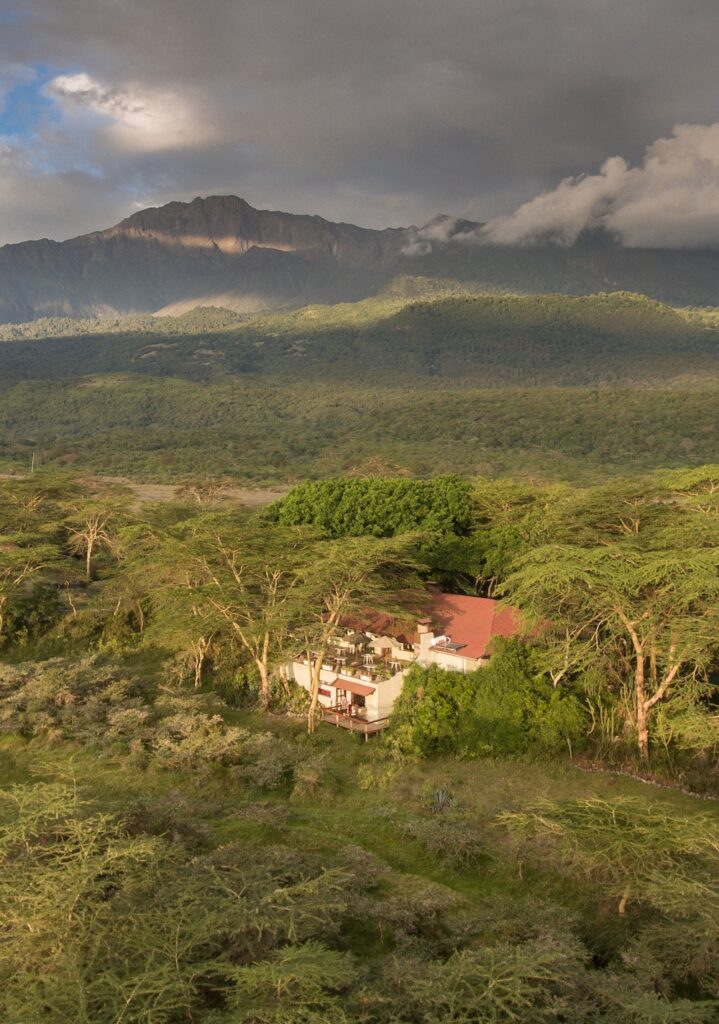
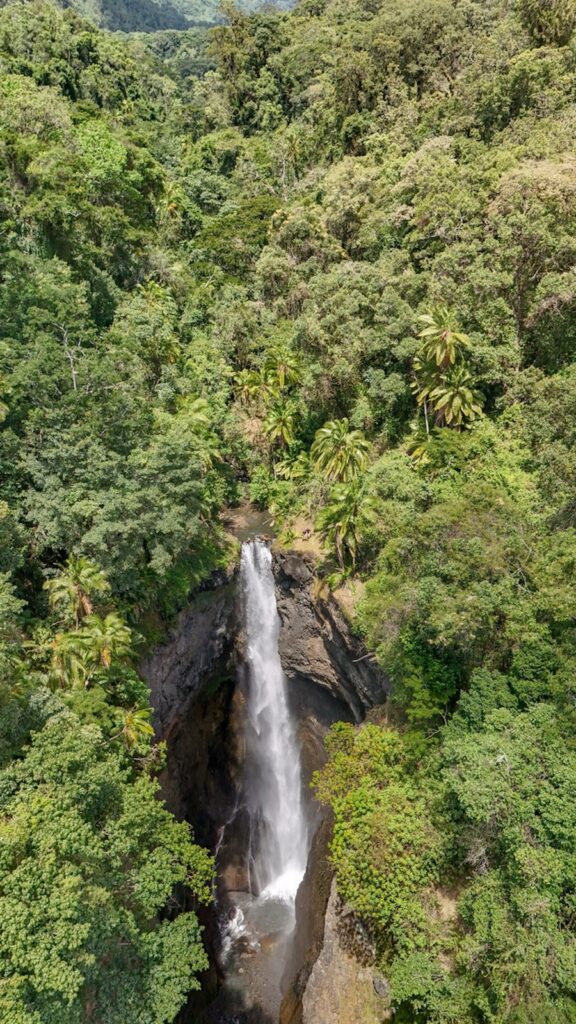
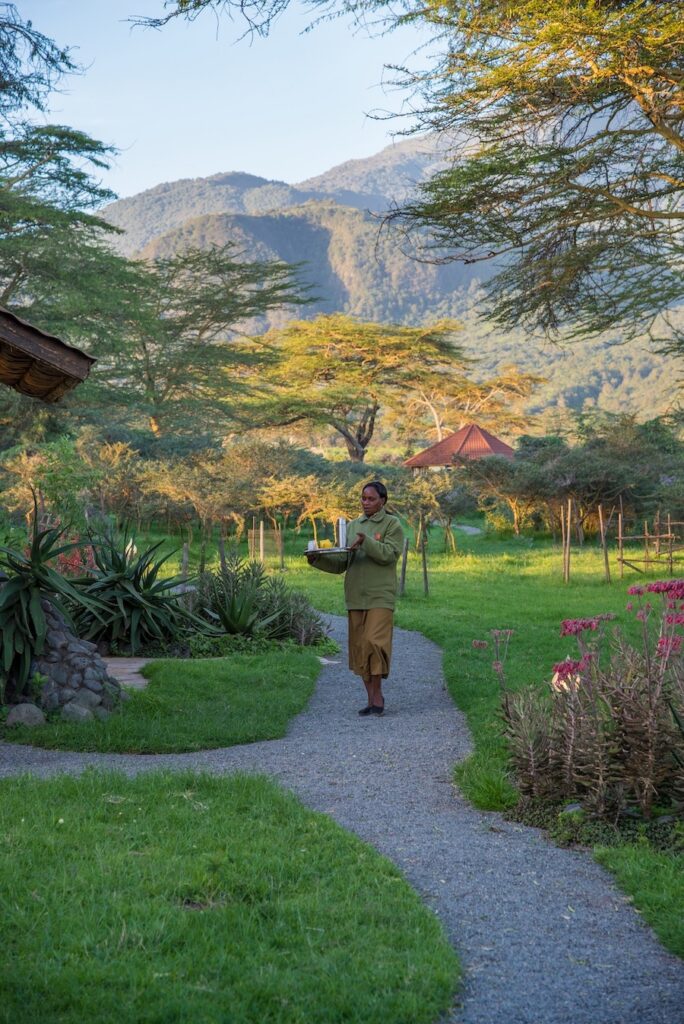
Set within the montane forests of Arusha National Park, Hatari Lodge sits in a landscape that feels like a counterpoint to the classic image of safari. This is not the wide-open savanna of cinematic imagination, but a layered world of forest, meadow, crater, lake, mountain air, and shifting altitude.
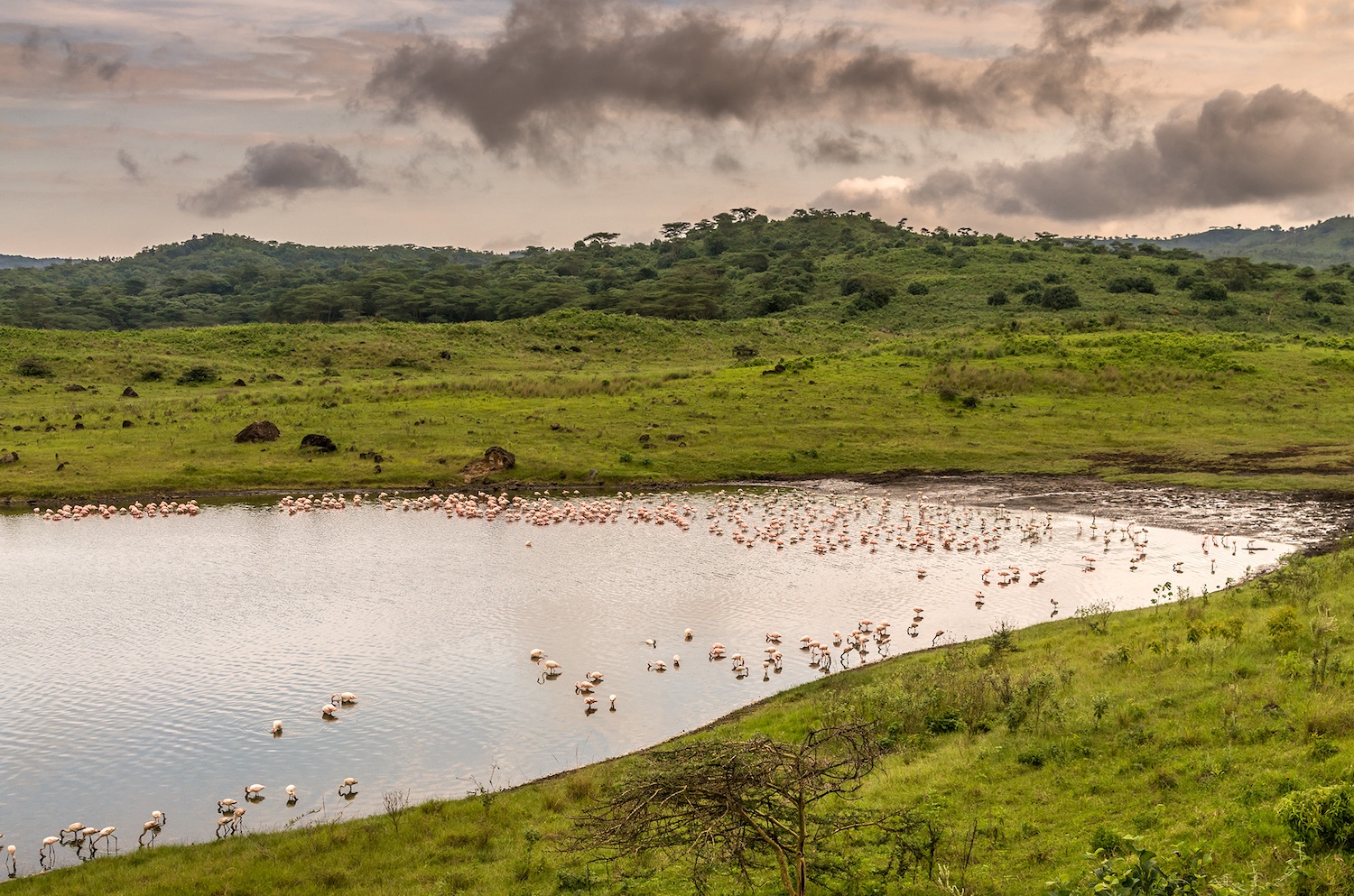
Arusha National Park is known for its varied ecosystems, from montane forest and crater landscapes to the Momella Lakes, with Mount Meru rising above the park and Kilimanjaro visible in the distance
It is also one of the rare places where a safari can begin by slowing down.
“We have spent over two decades witnessing how the traditional, vehicle-bound safari can inadvertently distance travellers from the very environment they came to see,” says owner Marlies Gabriel. “By stepping out of the 4×4 and into the Vertical Wilderness, the noise of modern distraction falls away.”
That phrase, Vertical Wilderness, is more than poetic branding. It captures the way wellness behaves differently in a place shaped by altitude and canopy. In Japan, forest bathing, or shinrin-yoku, has become a global shorthand for the restorative effects of slow, sensory time among trees. In Tanzania, that idea takes on a more elemental dimension. The forest is not only quiet. It is alive above, below, and all around you.
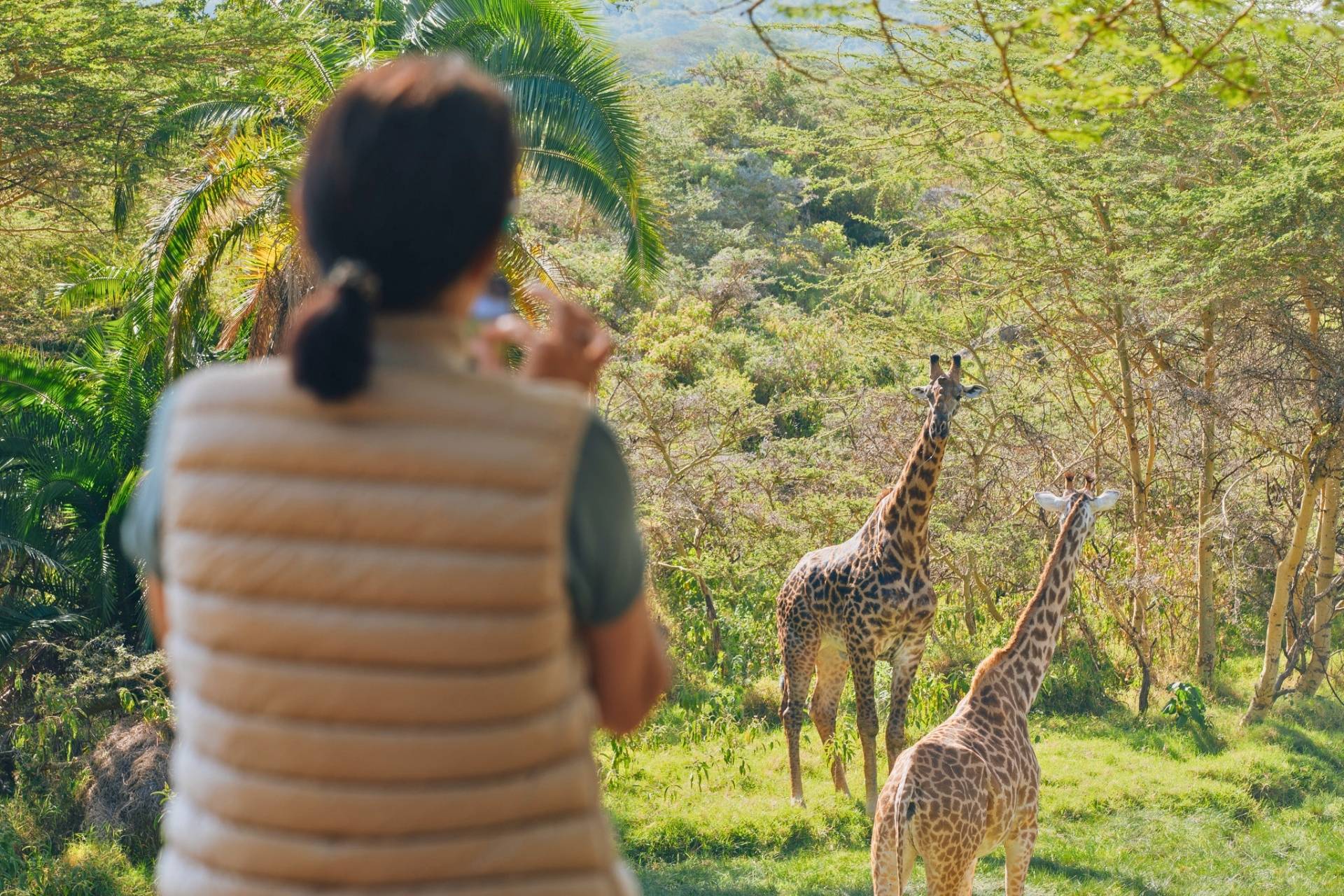
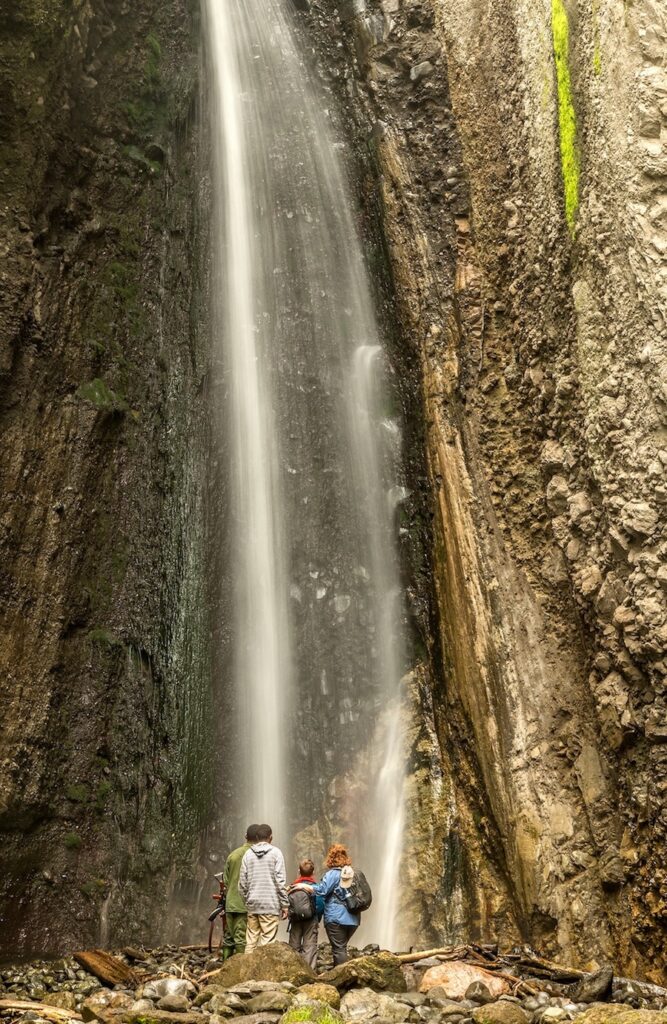
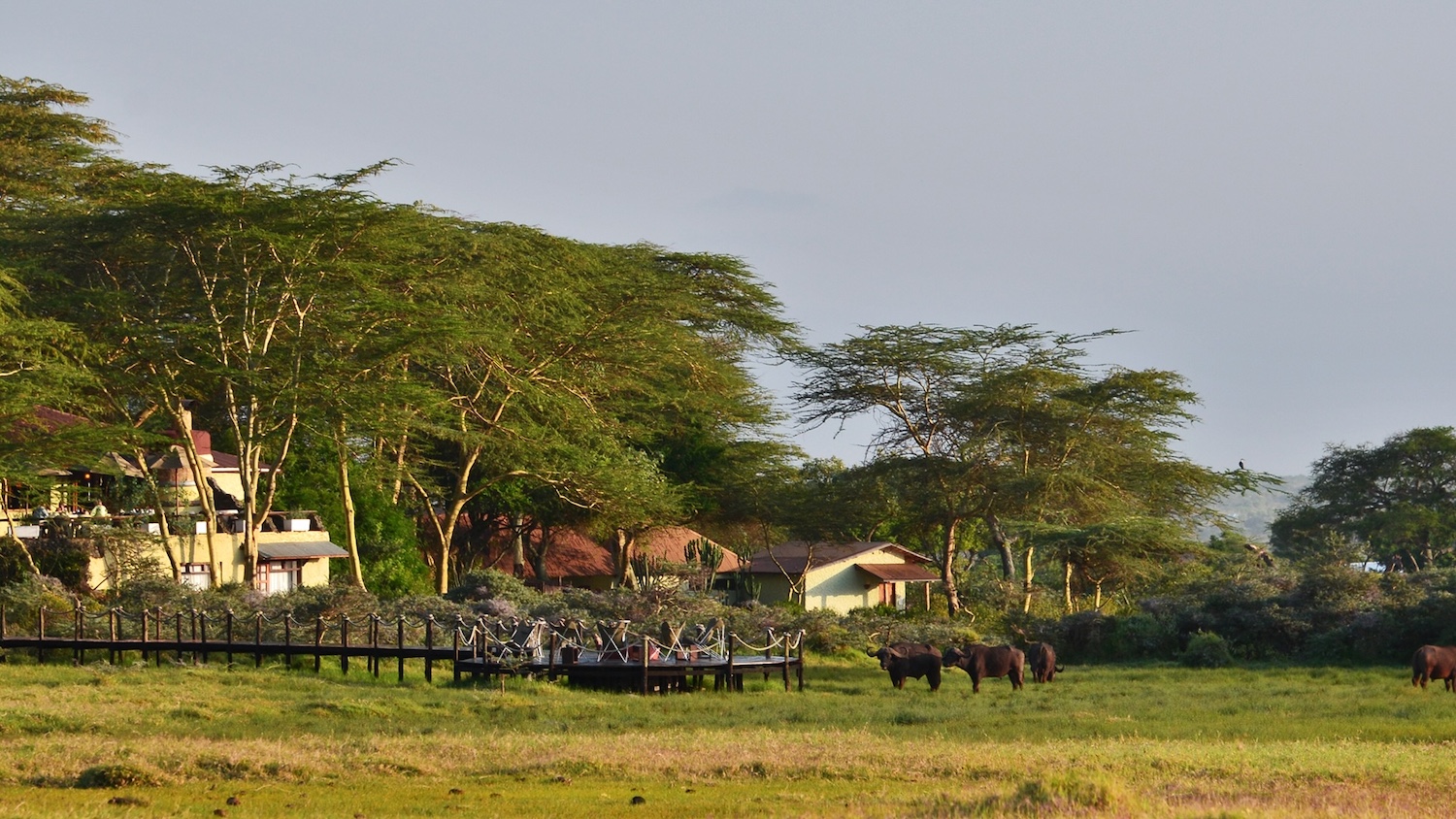
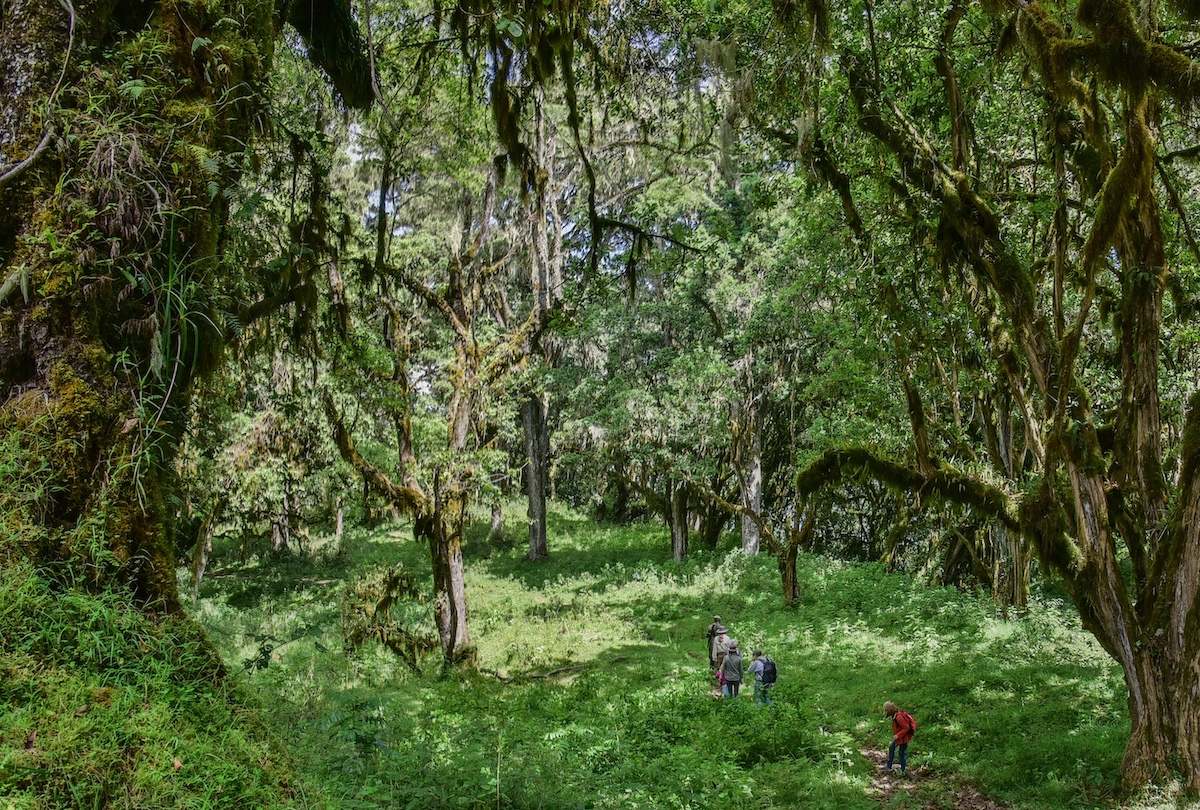
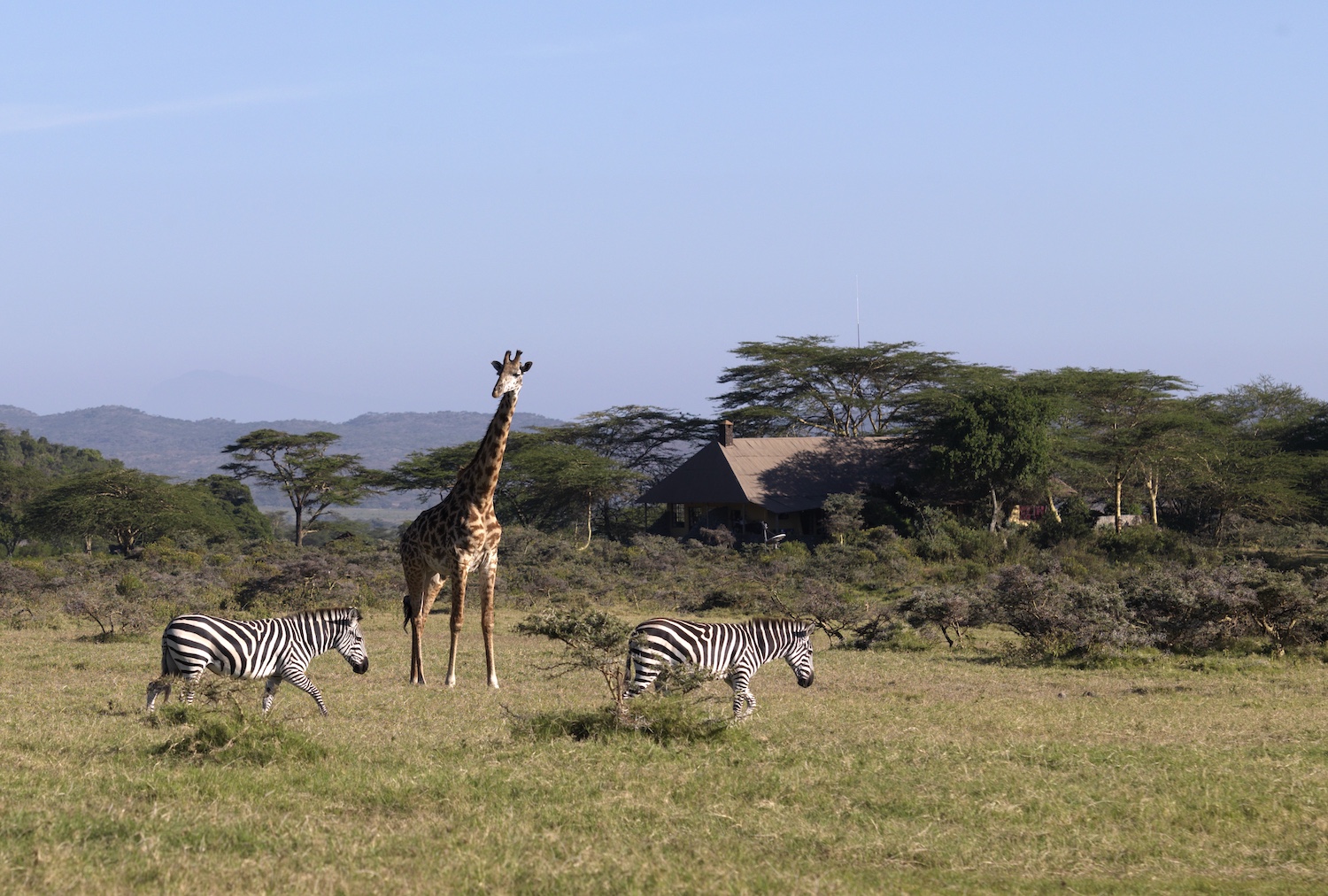
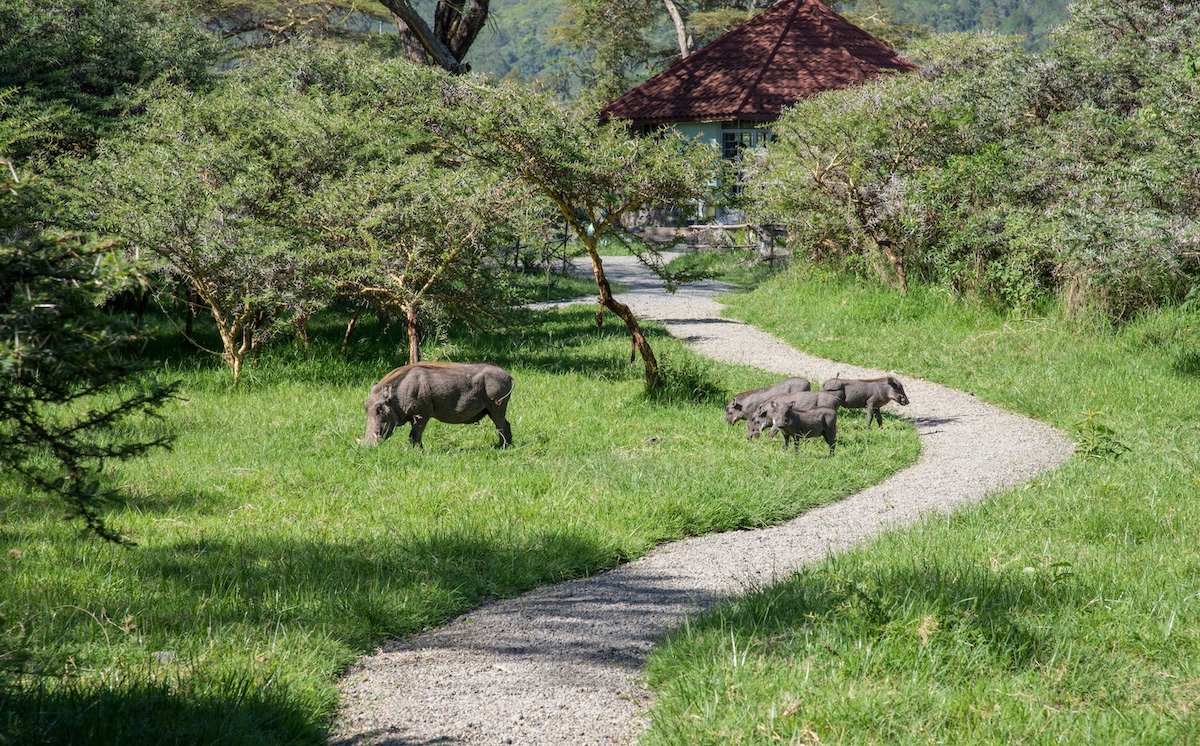
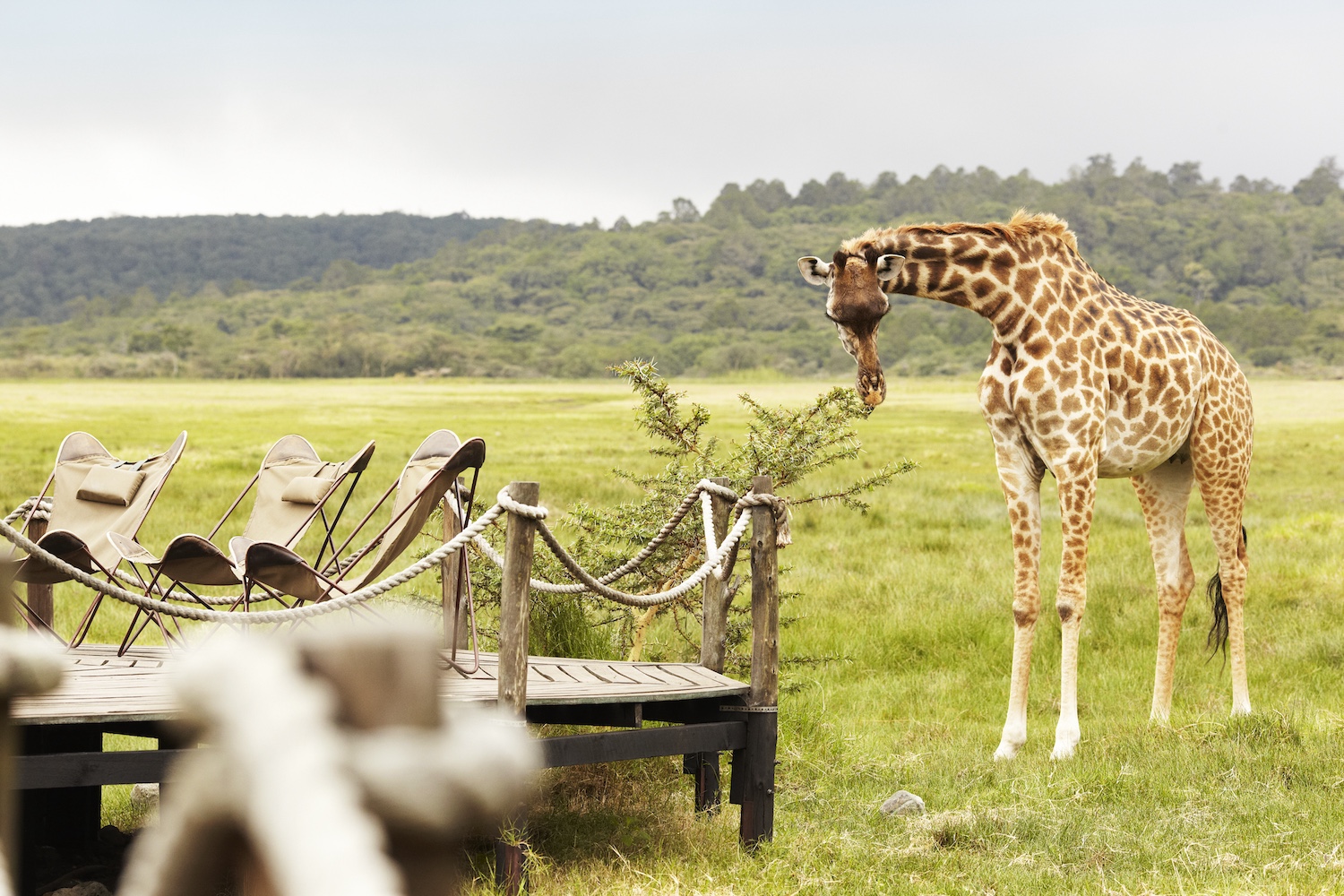
At Hatari, days may include walking safaris, waterfall trails, birdwatching, canoeing on the Momella Lakes, and time in forests where colobus monkeys, birds, and butterflies move through the trees. The wildlife is still there, of course. Giraffes, zebras, buffalo, warthogs, and monkeys all belong to this landscape. But the experience asks something different of the traveller. Less checklist. More attention.
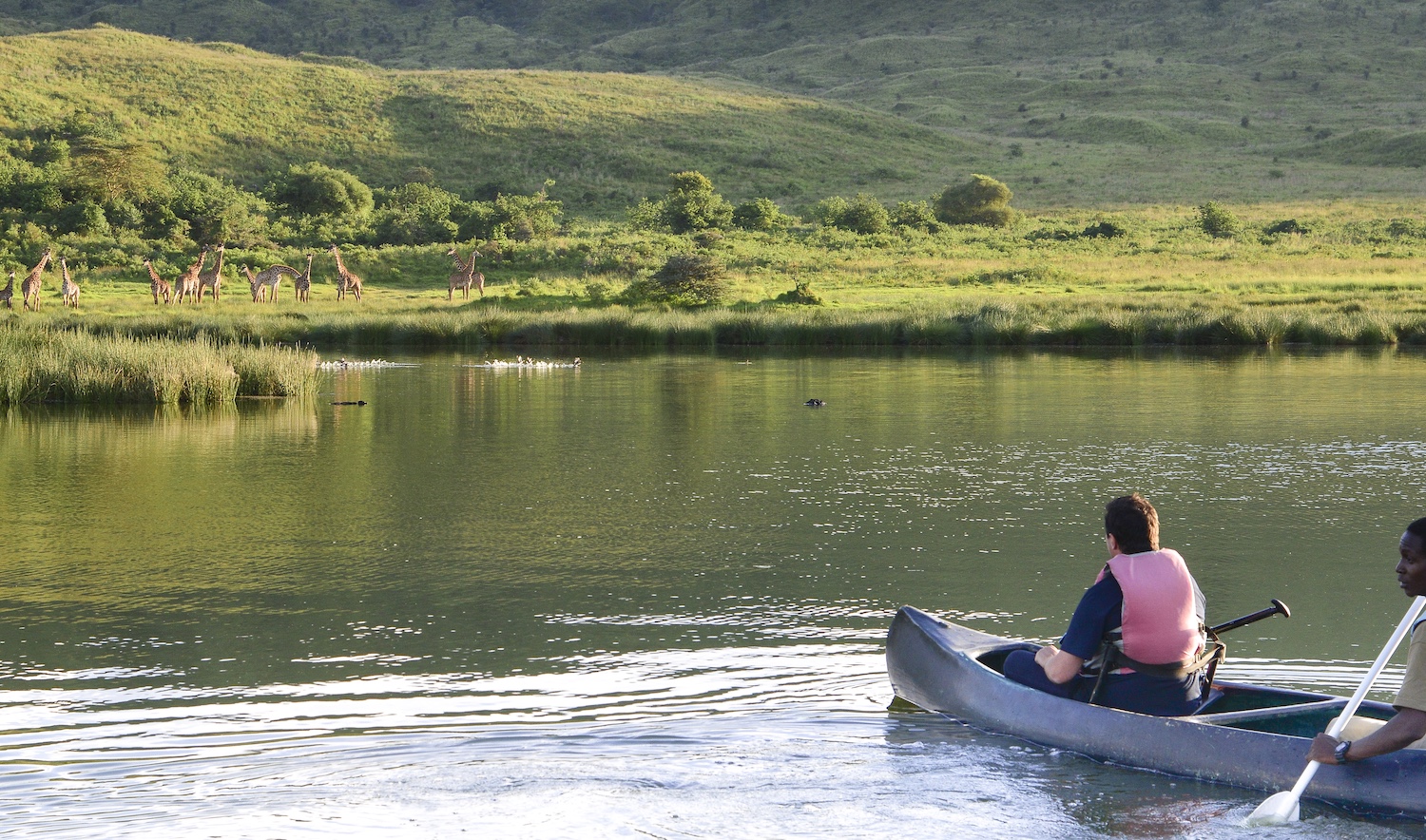
In the traditional safari model, the vehicle can become a kind of moving theatre seat. The world unfolds beyond the frame of the window. There is nothing wrong with that; for many travellers, it is unforgettable. But wellness travel has been moving steadily away from passive consumption and toward immersion. Travellers, all of us, want to feel a place in their nervous system, not just photograph it.
Here, the forest becomes part of that recalibration.
“The mind stops reacting and finally begins to observe,” Gabriel says, describing the experience of moving through the lodge’s surrounding montane forests. It is a useful distinction. So much of modern travel still asks us to react: to beauty, to spectacle, to the pressure of having come all this way. Observation is quieter. It has fewer expectations. It begins when the body feels safe enough to notice.
That may be where the wellness value of a place like Hatari becomes most interesting. The experience is not framed around treatment rooms, elaborate spa menus, or the language of optimization. Instead, restoration happens through contact: with trees, altitude, sound, food, soil, and silence.
The forest provides the first layer.
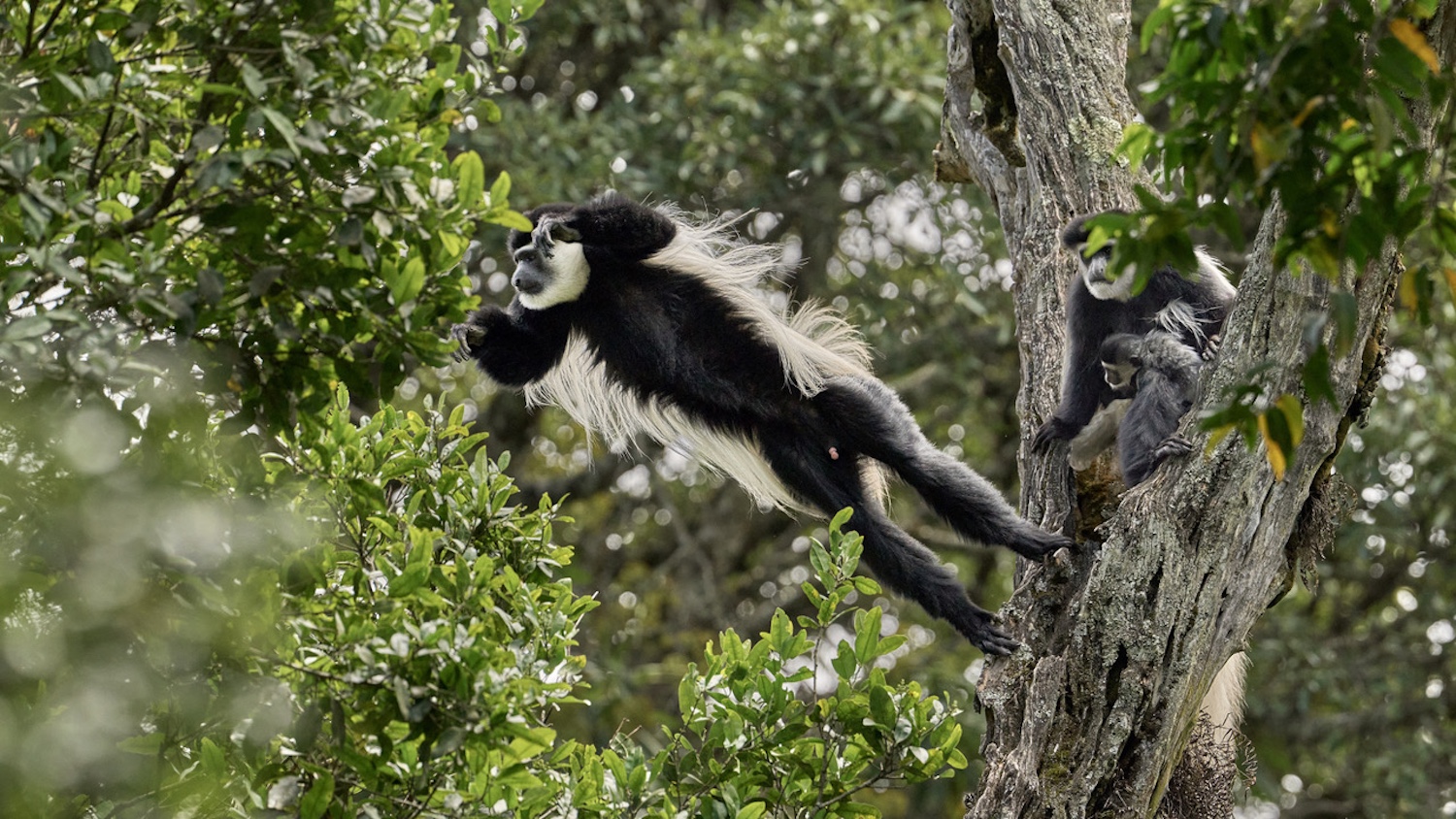
Arusha’s green landscapes are home to black-and-white colobus monkeys, a species often associated with the park’s forested habitats. To encounter them is to be reminded that verticality is not an abstract idea here. Life moves upward. It leaps, rustles, calls, and disappears into leaves. Our gaze follows. Shoulders lower. Breathing changes. The body, accustomed to screens and surfaces, remembers depth.
The second layer is sound. Or, more precisely, the absence of the sound many travellers bring with them.
Urban life has a constant acoustic hum: traffic, alerts, engines, voices, ventilation systems. In the montane forest, silence is not empty. It is rhythmic. Broken by leaves, wings, distant animals, water, wind. It is the kind of silence that does not ask to be filled.
For wellness travellers, this matters. The future of travel wellness may not only be about where we sleep or what rituals we book, but what kinds of sensory environments we enter. A forest safari offers a rare form of nervous system hospitality: it removes excess input and replaces it with signals the body understands.
Then comes food.
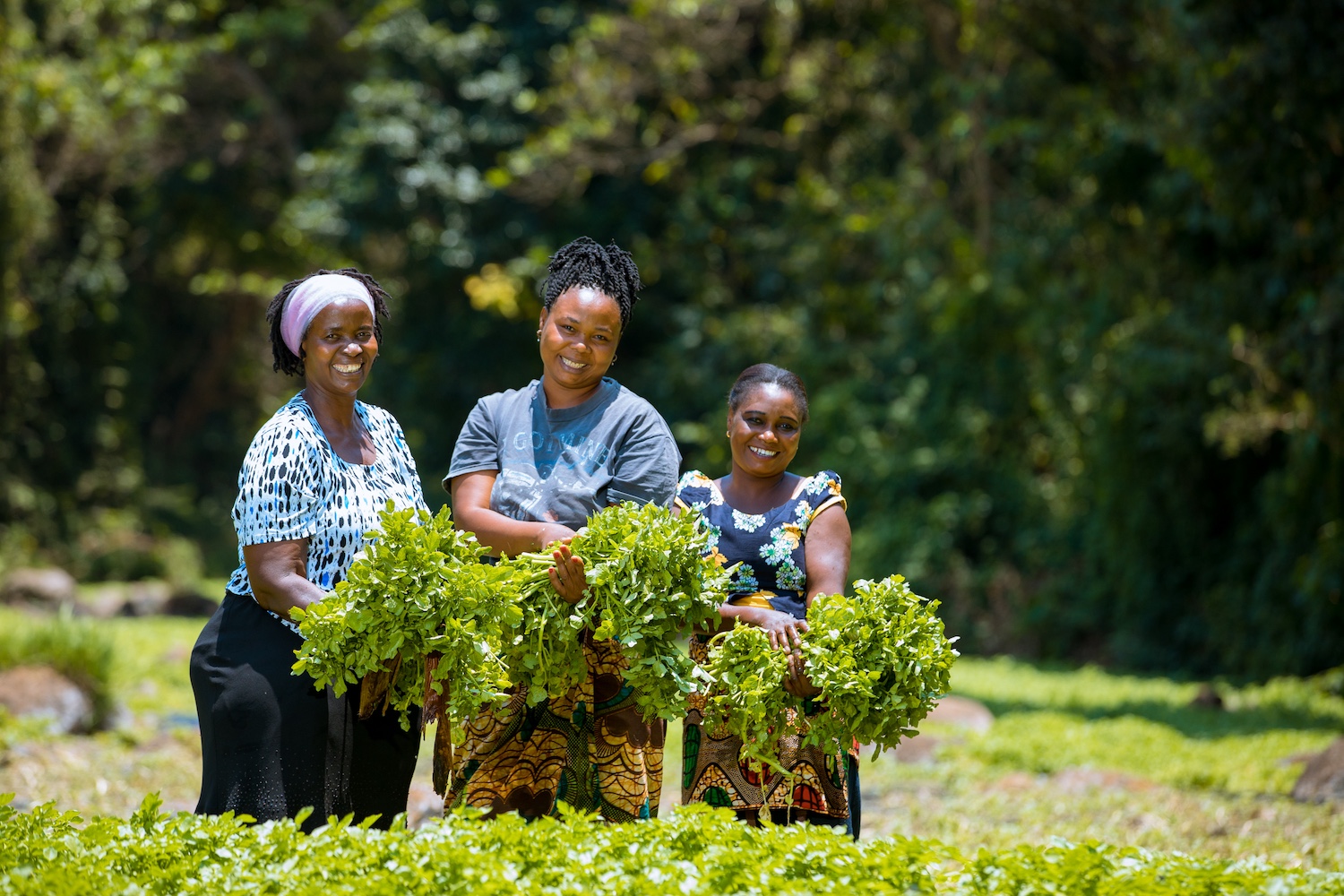
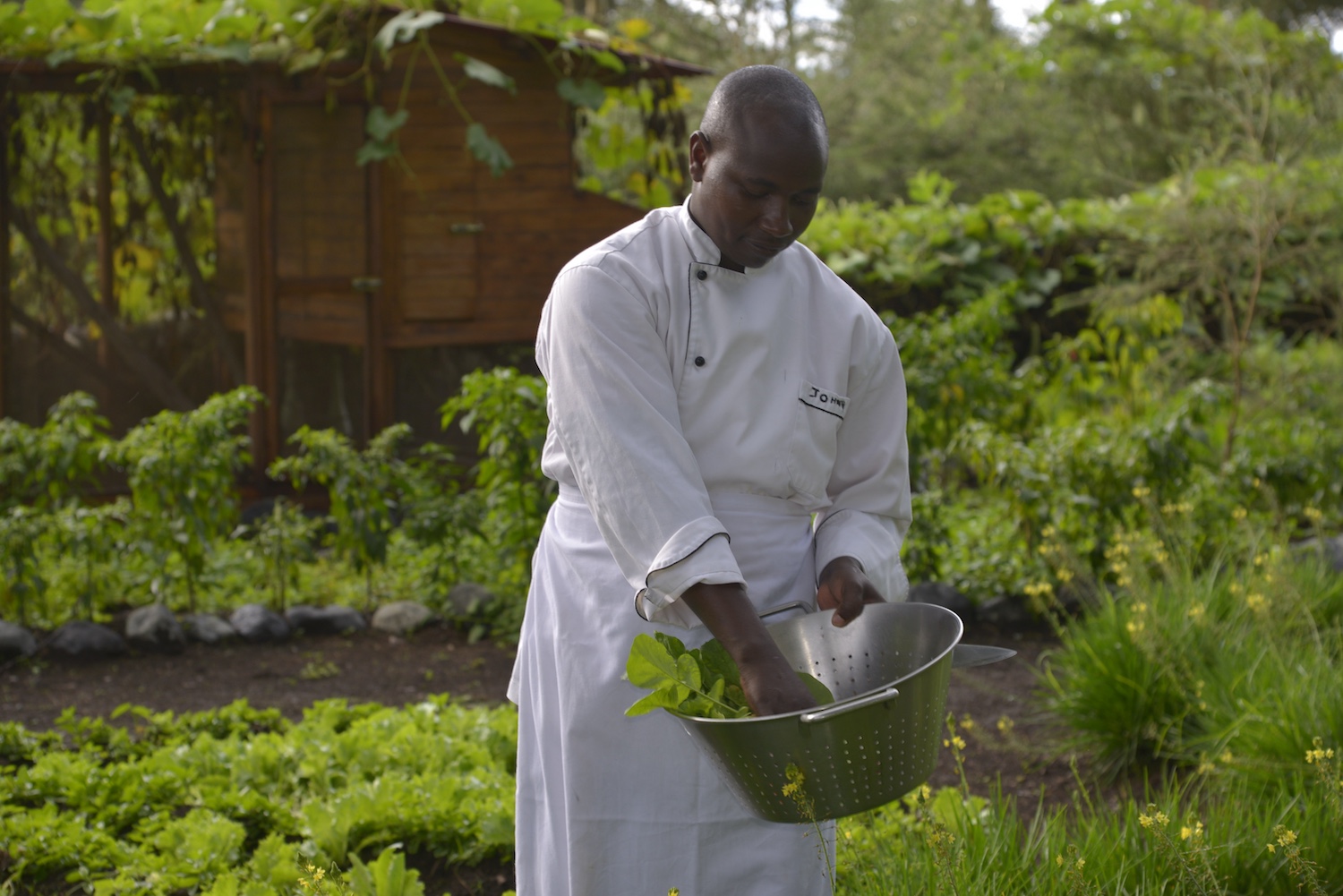

Gabriel is clear that restoration cannot stop at atmosphere. “True restoration is about what we take into our bodies,” she says. “The Kilimanjaro Safari Circuit isn’t just a geographic route—it is a synchronized culinary journey where every meal is a physical expression of the specific ecosystem explored that day.”
Through Hatari’s Wondergarden initiative, the lodge is working with indigenous, drought-resistant crops and wild foods as part of a broader approach to slow food and culinary conservation. The idea is not simply to serve “local” food as a hospitality flourish, but to make cuisine a way of understanding place. Guests do not just witness biodiversity; they taste it.

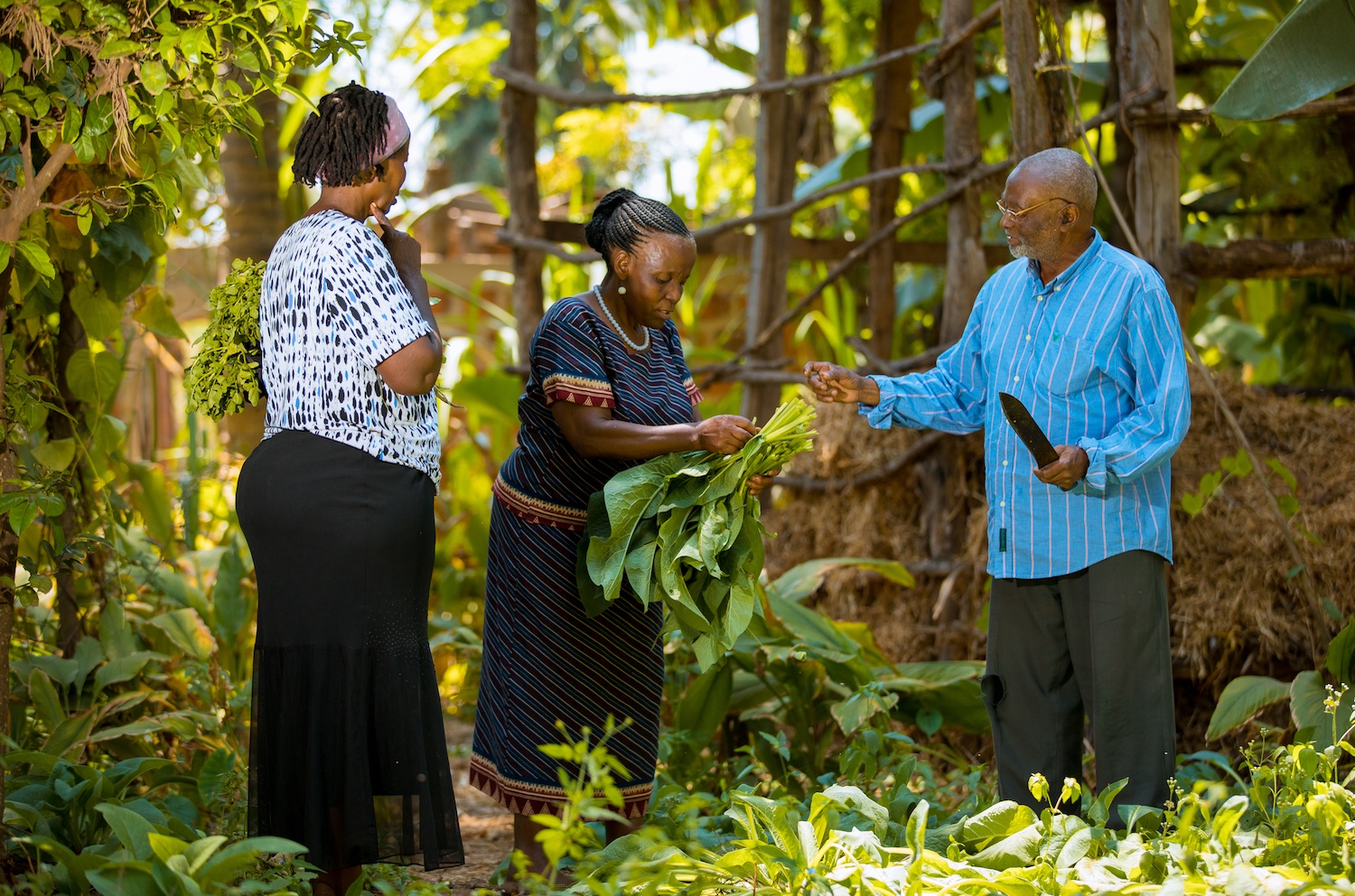
This is where the concept of grounding becomes literal. In wellness culture, grounding is often discussed as a practice: bare feet on earth, breath slowed, attention drawn back to the body. At Hatari, grounding also arrives on the plate. Indigenous foods connect the traveller to soil, climate, resilience, and the long intelligence of plants adapted to place.
“Through our Wondergarden initiative, guests don’t just witness the landscape,” Gabriel says. “They literally taste nature conservation through wild, indigenous foods that ground them deeply in the soil of Tanzania.”
It is a beautiful idea, and a useful corrective to some versions of luxury travel. Too often, “local flavour” is treated as ambience. Here, food becomes ecological storytelling. What grows here? What has survived here? What does the land offer when it is listened to rather than styled for an outside gaze?
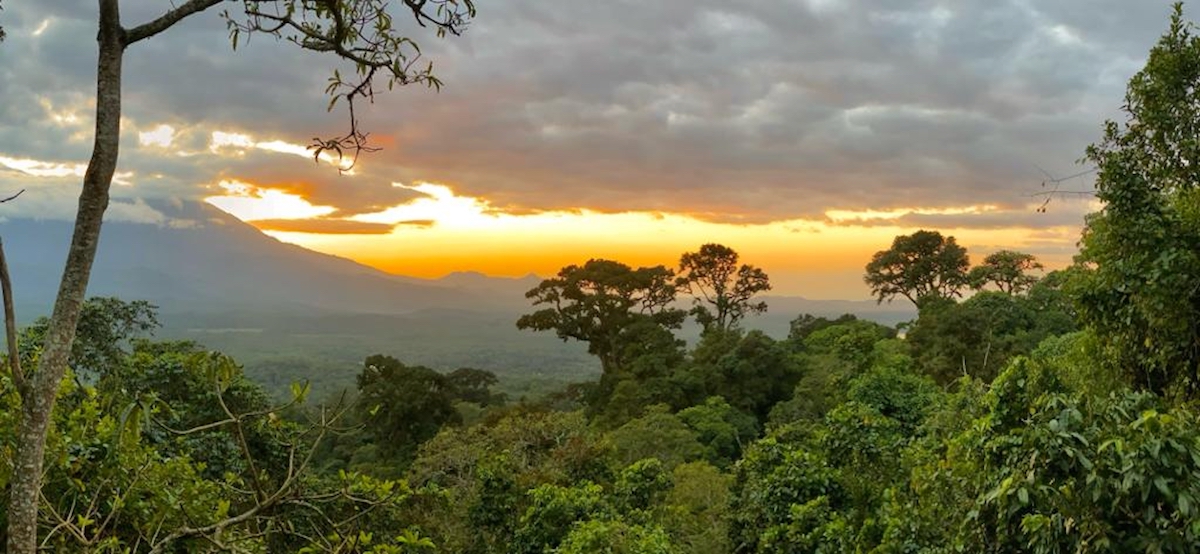
The Kilimanjaro Safari Circuit extends that sensory approach across altitude and ecosystem. According to Hatari, the circuit connects Hatari Lodge with Shu’mata Camp, creating a journey between Mount Meru and Kilimanjaro. It’s a movement through five climate zones in a single day: a kind of “climatic bathing” that shifts the traveller through forest, steppe, alpine air, and volcanic landscapes.
Climatic bathing may sound dramatic, but it points to something wellness travel is only beginning to articulate. Climate, altitude, air, and terrain are not backdrops. They are active ingredients.
Anyone who has stepped from humid forest into dry mountain air knows this instinctively. The body registers difference before the mind names it. Breath changes. Temperature changes. Light changes. Even thought can feel different at altitude, sometimes sharper, or more spacious. In this context, “vertical wellness” becomes a way of describing travel that moves the body through ecological layers, allowing each one to leave its imprint.
And perhaps that is why this version of safari feels so timely.
For years, wellness travel has been dominated by horizontal escape: beaches, infinity pools, long horizons, the promise of rest through ease. We love them all, but the vertical wilderness offers another model. It is not about disappearing into softness, but becoming more awake to complexity. Forest canopy. Mountain air. Volcanic ground. Animal movement. Indigenous crops. Silence that is not absence, but presence.
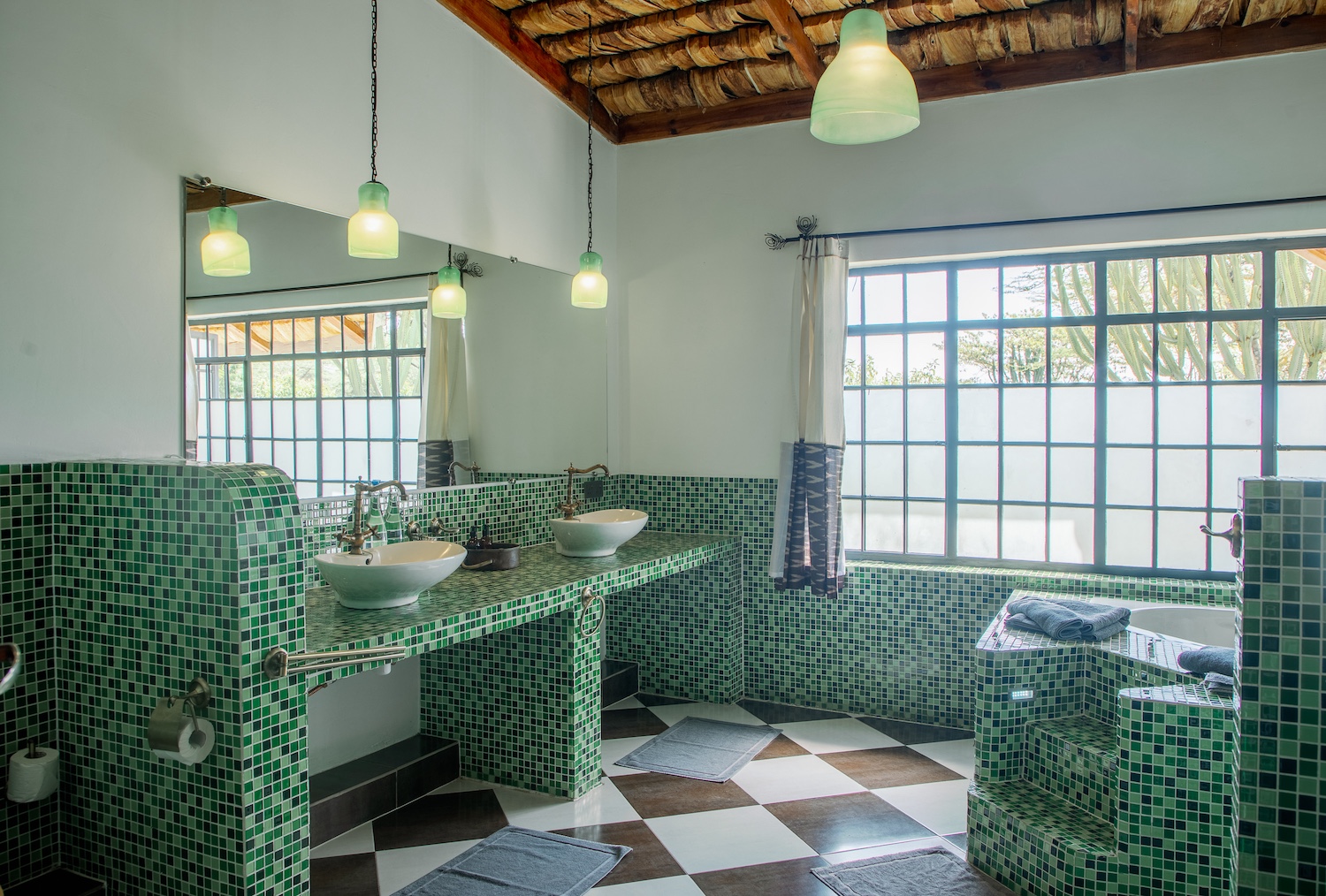
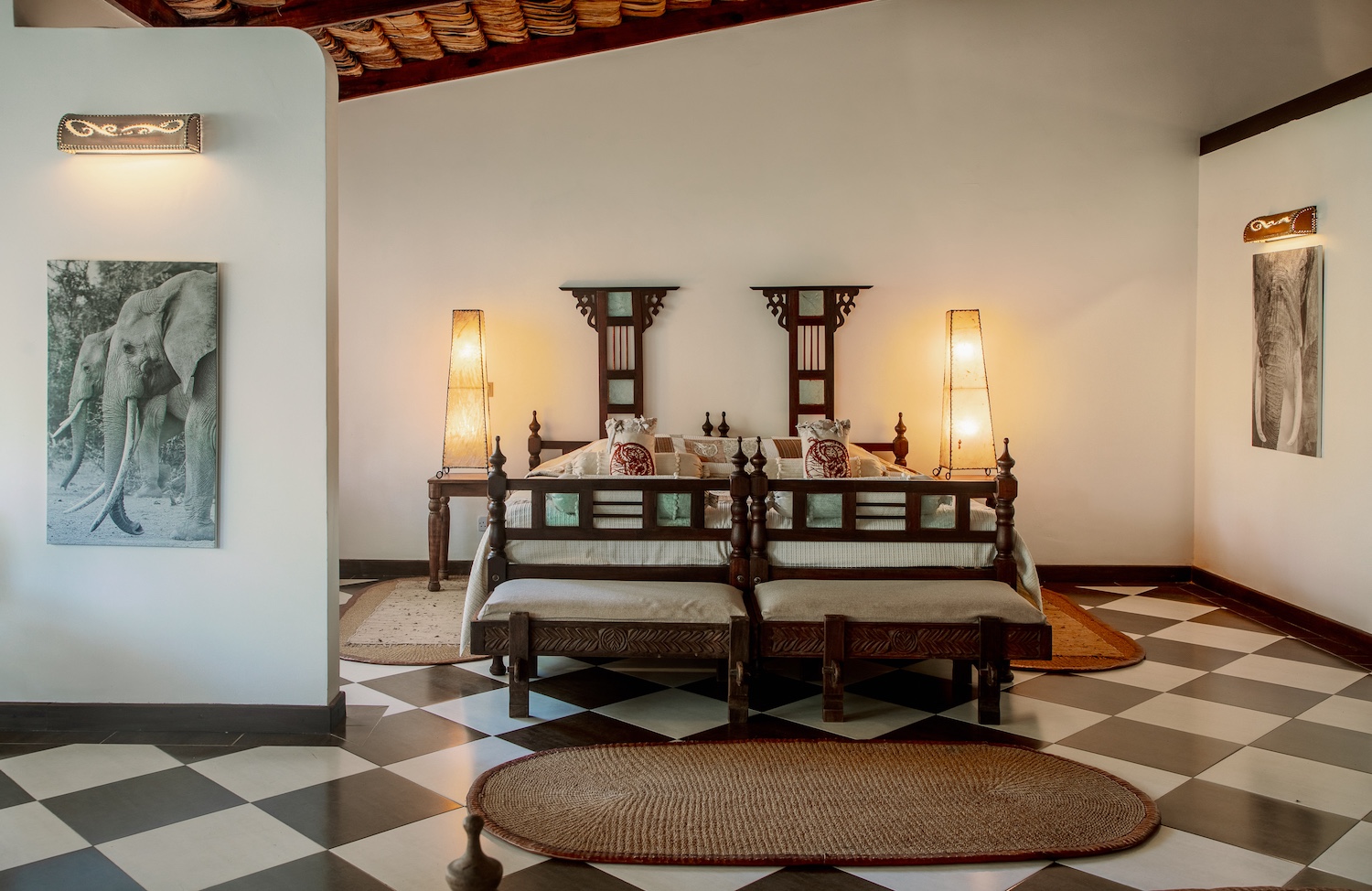
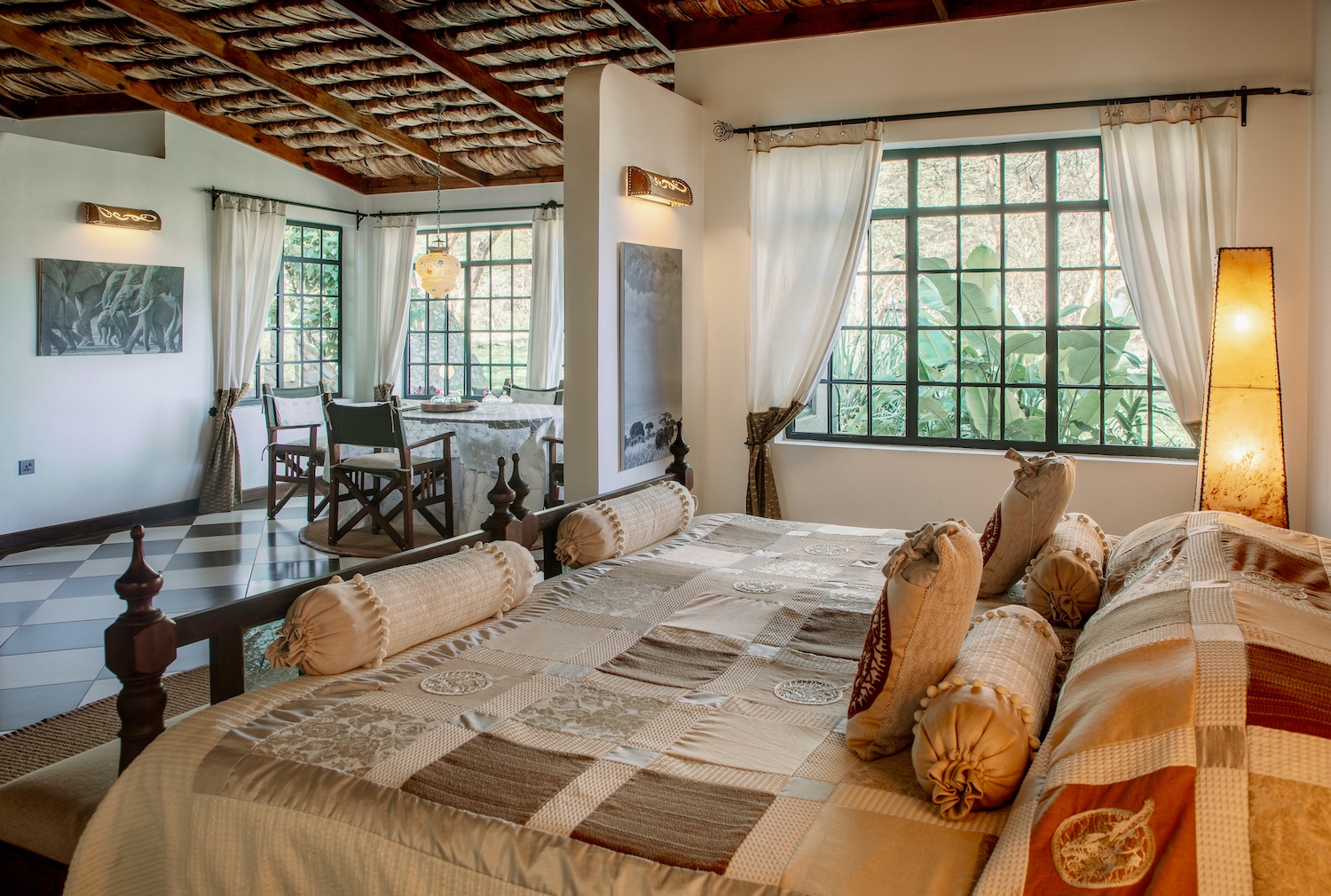
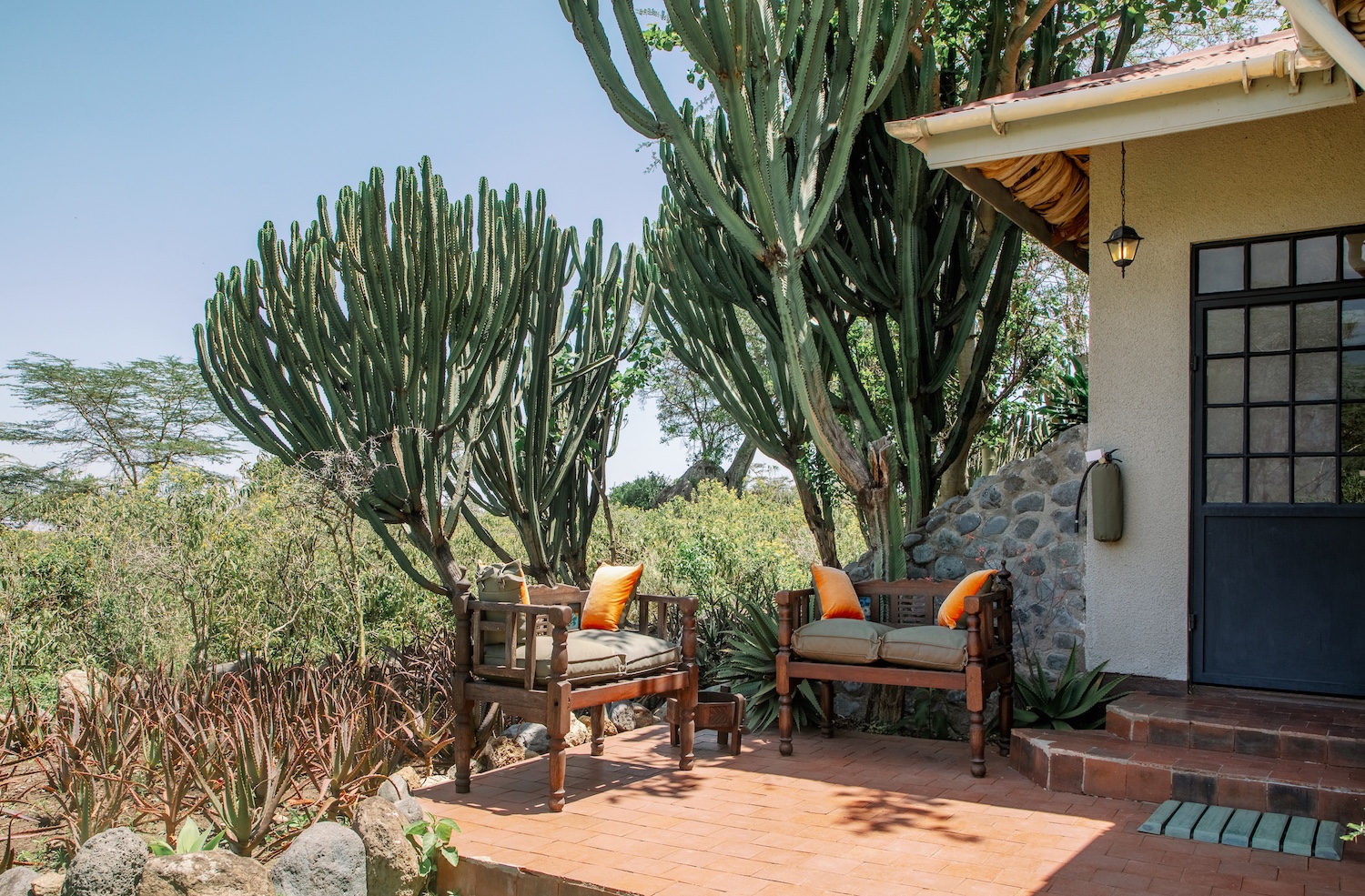
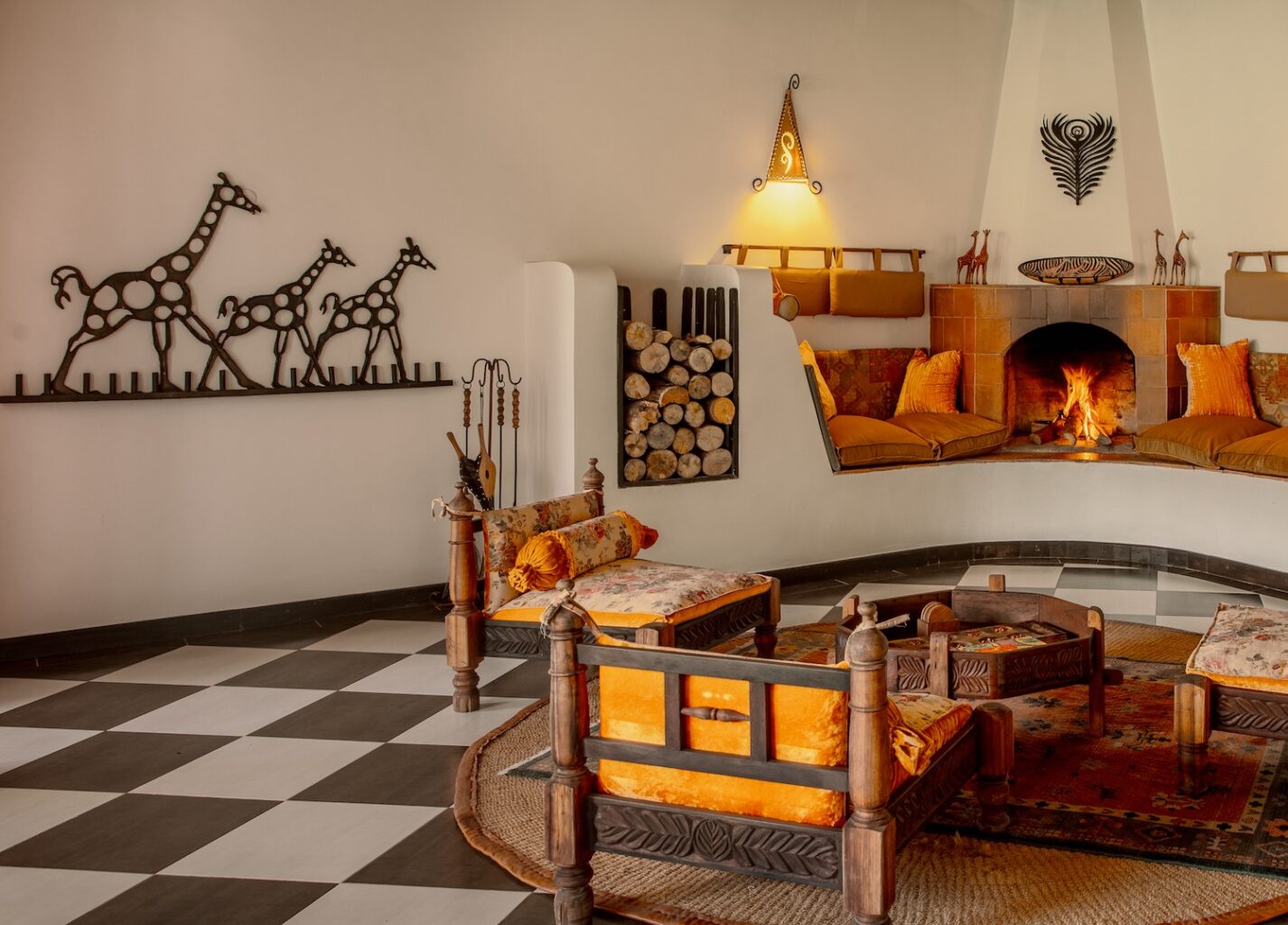
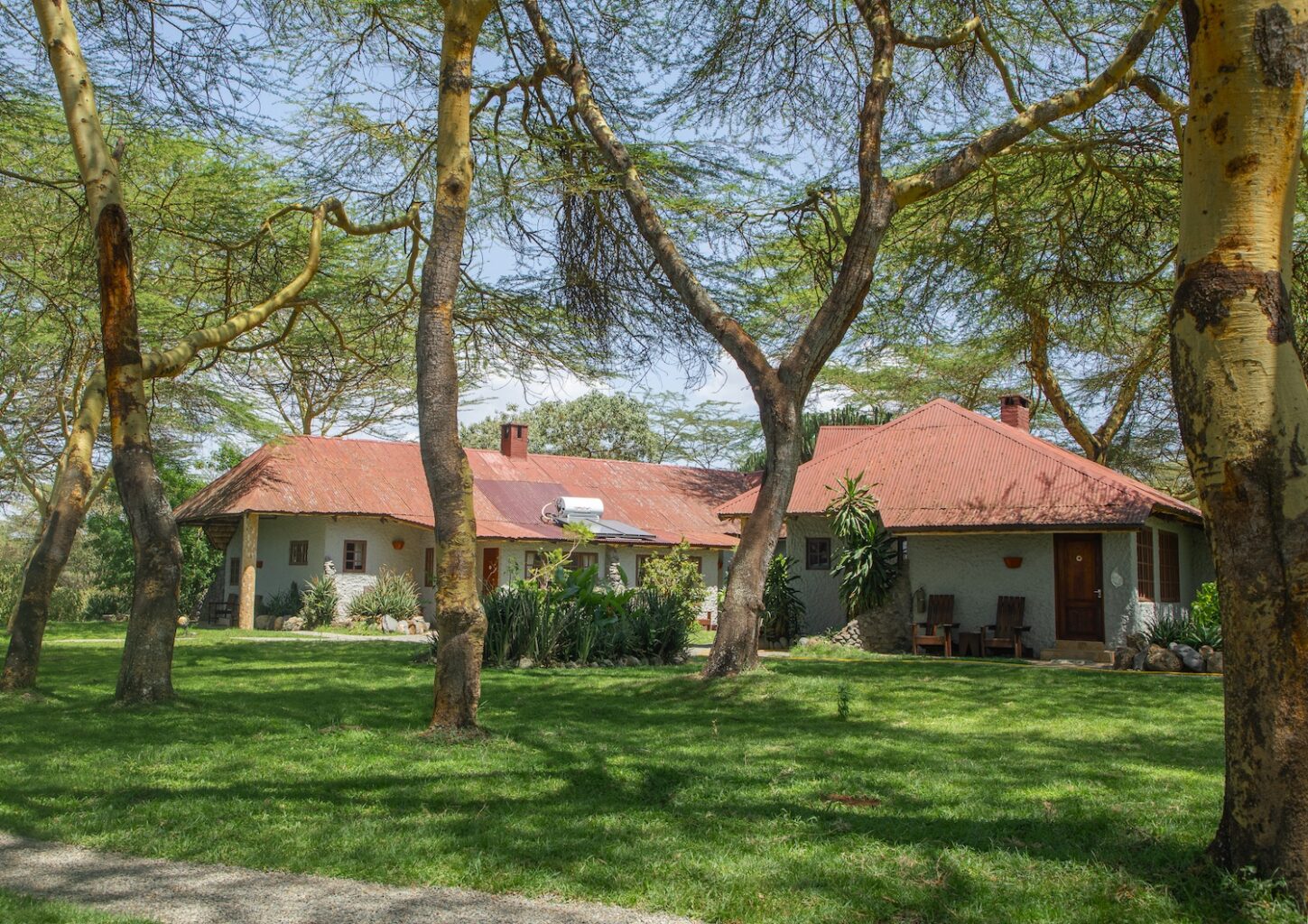
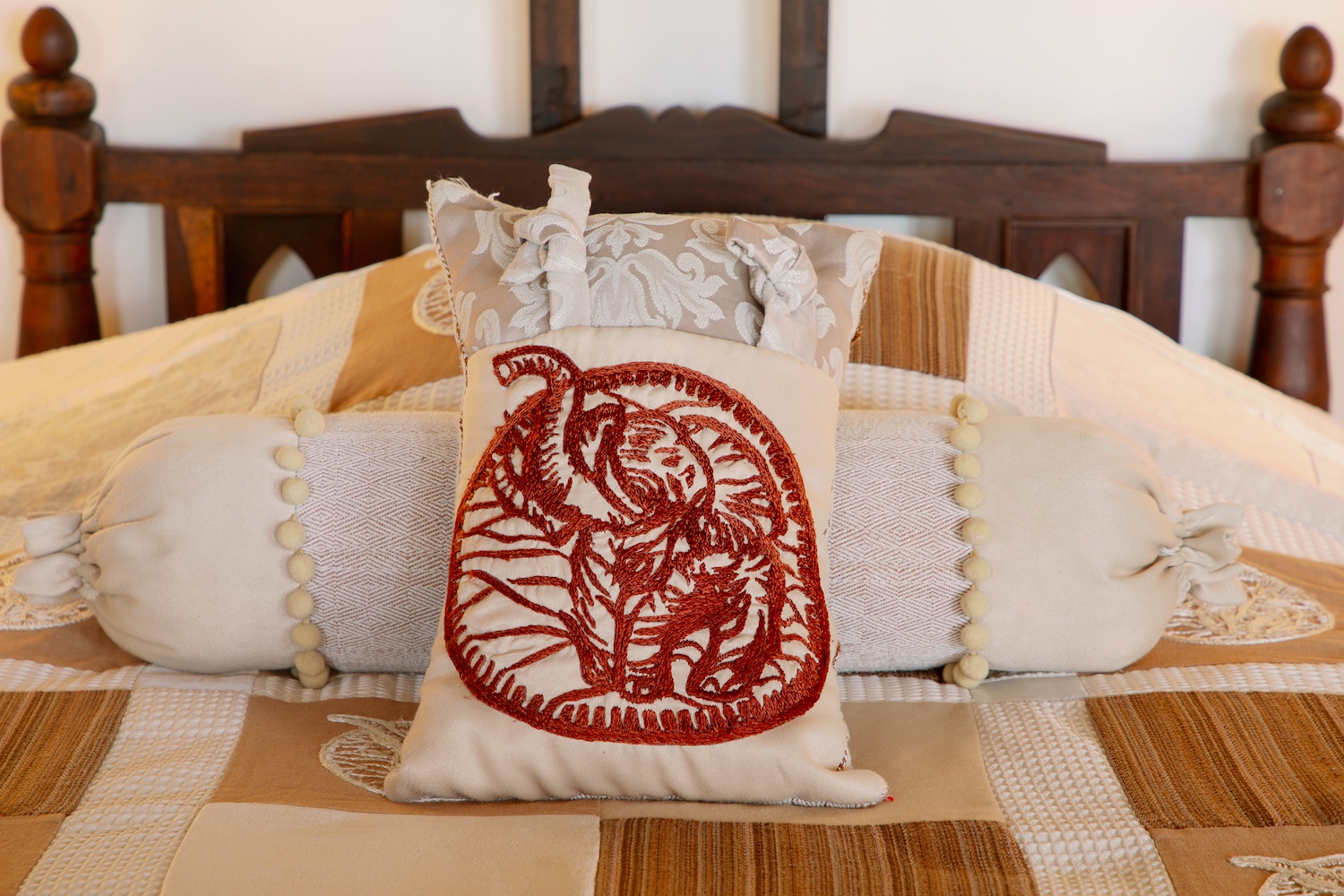
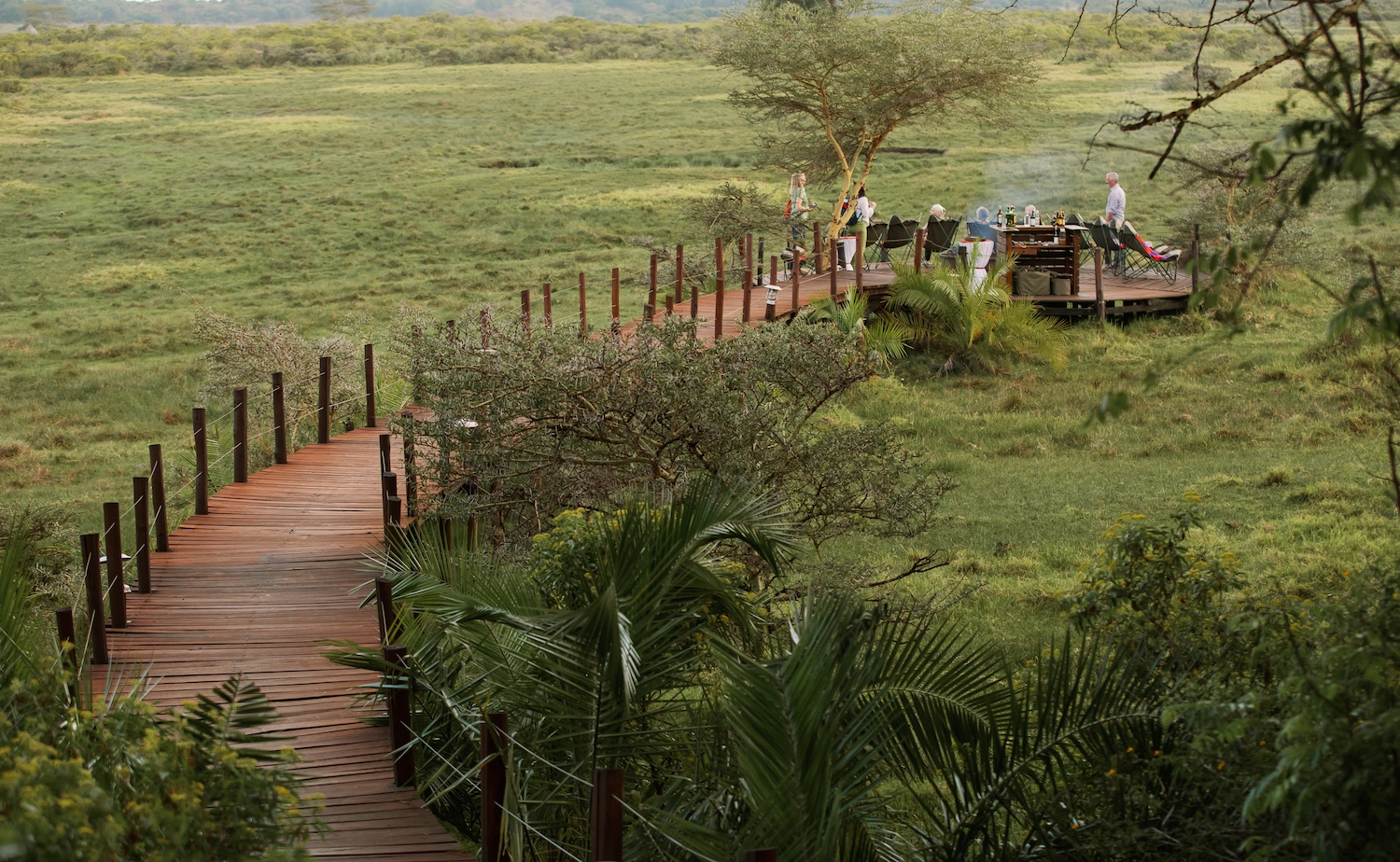
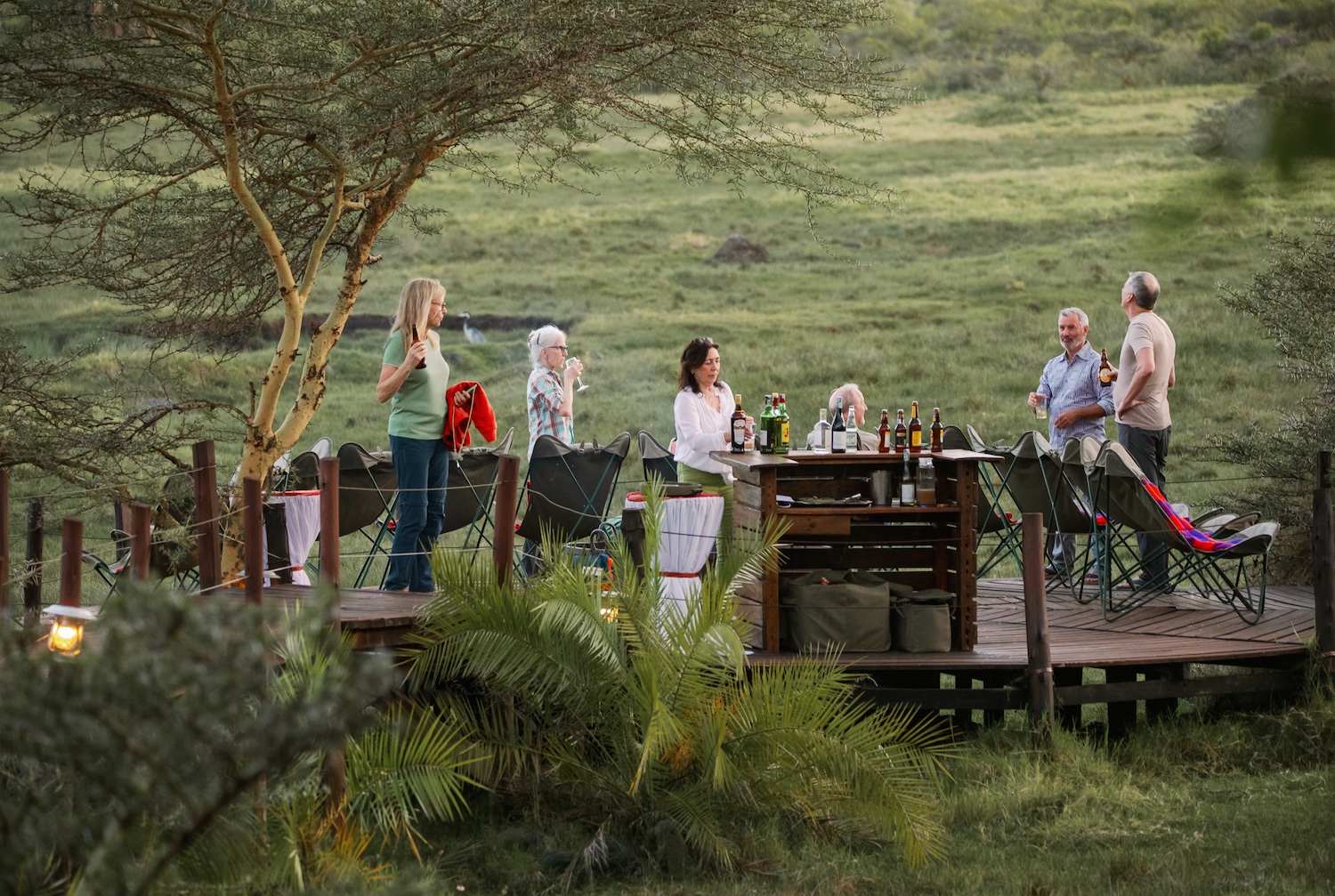
Hatari Lodge itself adds another layer to the story. The lodge carries a sense of history, with connections to the 1960s film Hatari! and a design language that nods to that era while remaining rooted in its setting. The lodge describes spaces where giraffes may pass by the window, warthogs linger in the grass, and individual rooms are shaped by design, craft, and place.
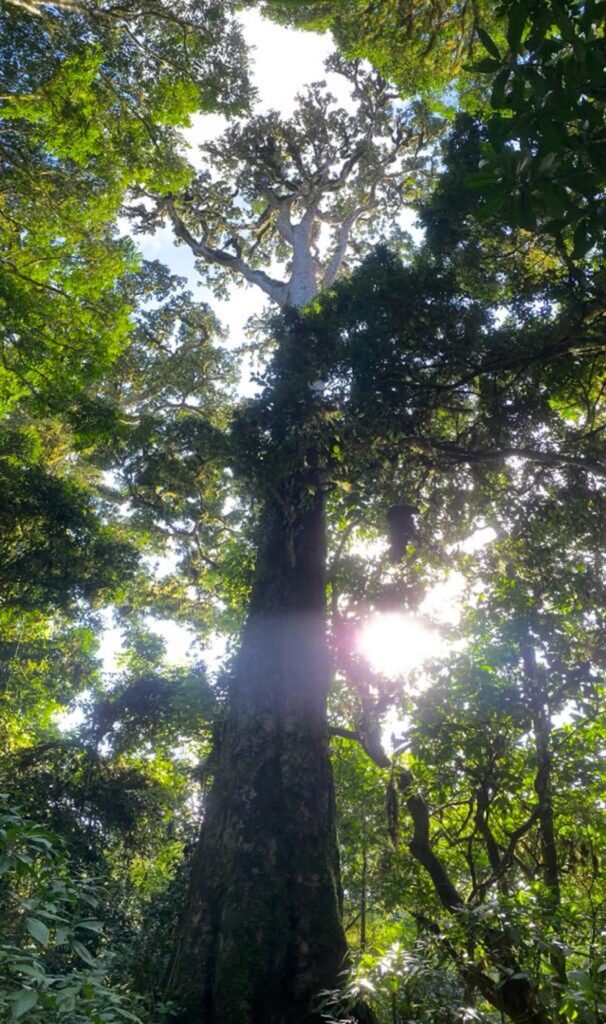
For the North American traveller who has already seen wellness packaged in countless familiar ways, Tanzania offers something more expansive. Not a retreat from the world, exactly, but a return to it. A reminder that restoration does not always look like stillness beside a pool. Sometimes it looks like walking under giant fig canopies, listening for monkeys in the leaves, eating something grown from drought-wise indigenous seed, and realizing the body has been paying attention all along.
The quiet safari does not ask travellers to abandon the thrill of wildlife. It simply widens the frame, so to speak. The animal sighting is still there. The mountain is still there. The drama of Tanzania is still there. But so is the moss, the soil, the silence, the altitude, the meal, the breath.
And in that vertical wilderness, wellness becomes less about escape and more about re-entry—into the forest, into the senses, and into a deeper rhythm that has been waiting patiently for you in the trees.