On a recent trip in the Land of the Thunder Dragon, I learned that ease and awakening are not opposites, and that comfort can be the very thing that cracks you open.
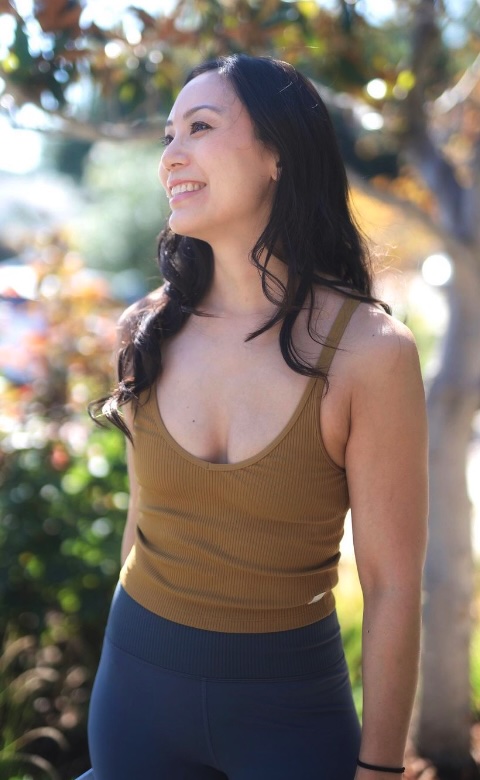
Words & Photos: Ingrid Yang, M.D., J.D.
I arrived in Bhutan with a very specific idea of what spiritual travel looked like: thin mattresses, cold mornings, simple food eaten in silence. I grew up Buddhist, and somewhere along the way I had absorbed an unspoken certainty: that discomfort was the price of presence, and that luxury was a distraction from the real work of waking up. What I didn’t expect was to have that belief dismantled, gently and completely, by a country whose entire governing philosophy is built around happiness.
I was in Thimphu, tucked into the Himalayan foothills at 7,700 feet, on a personal pilgrimage. I’d planned a week of Bhutanese spiritual practice, mindfulness, and stillness. I would hike to clifftop monasteries, chant with monks, sit in silence until I emerged enlightened. And if I didn’t, I’d skip dinner and sit longer. I approached the whole thing the way some travellers follow a map: too closely to notice where they actually are.
What complicated the experience was how little I questioned the setting I had chosen. Bhutan, in my mind, was austere, remote, defined by monasteries and mountain paths, not by luxury hospitality, so I booked without thinking twice about what that might mean once I arrived.
Six Senses Thimphu sits on a forested ridge above the city, a collection of timber-and-stone villas that feel less like a hotel and more like an idea of how a life could be lived. The architecture borrows from traditional dzong craftsmanship: thick walls, carved wooden screens, deep overhanging eaves, but the interiors are warm and unhurried, full of handwoven textiles, locally sourced stone, and views that stop you mid-sentence.
On the first morning, I stood on my private deck in the cold dawn light, watching clouds move through the pine ridges, and felt an unmistakable pang of guilt in my chest. This couldn’t be a spiritual journey; it was too comfortable to qualify as one.
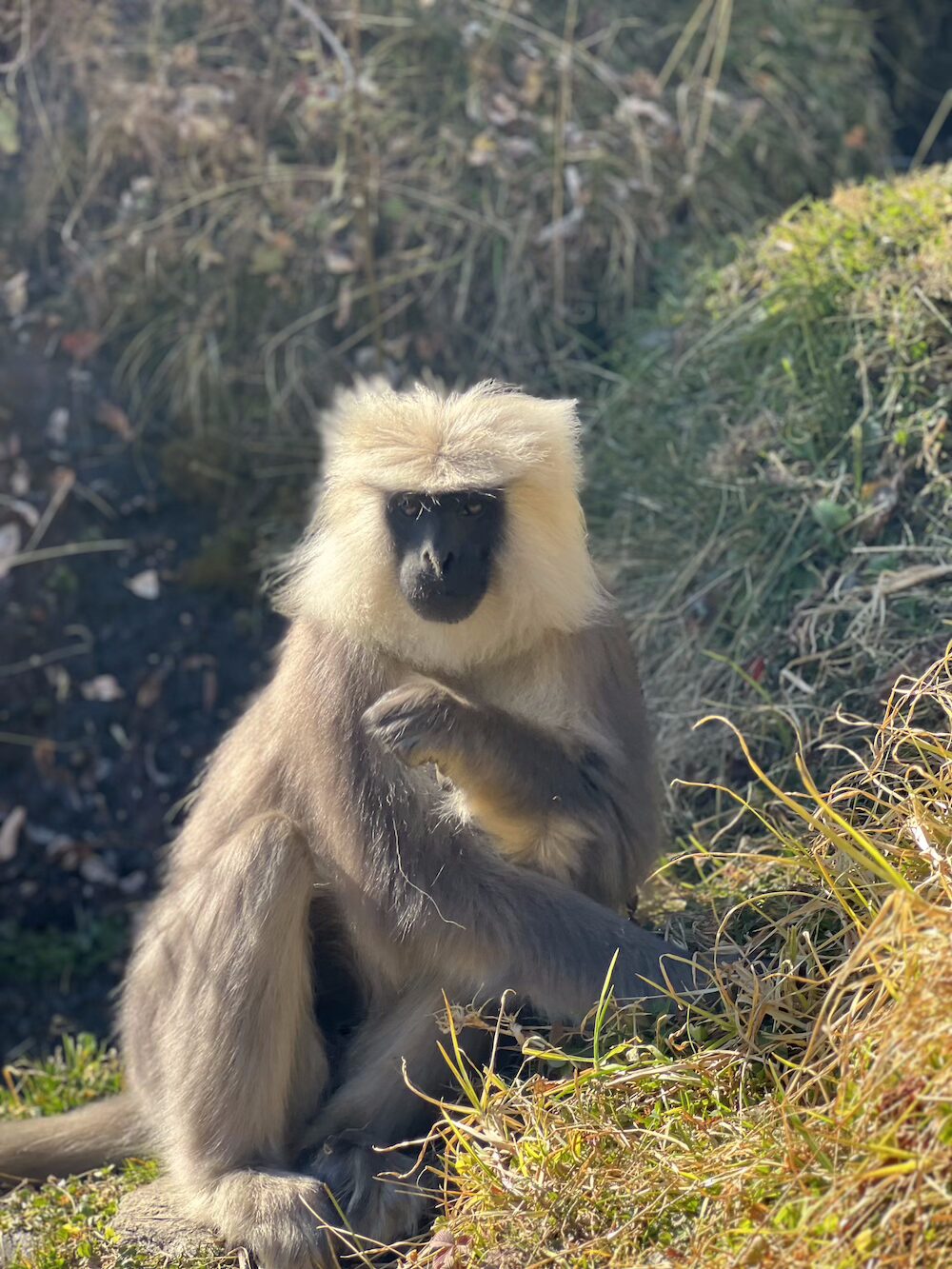
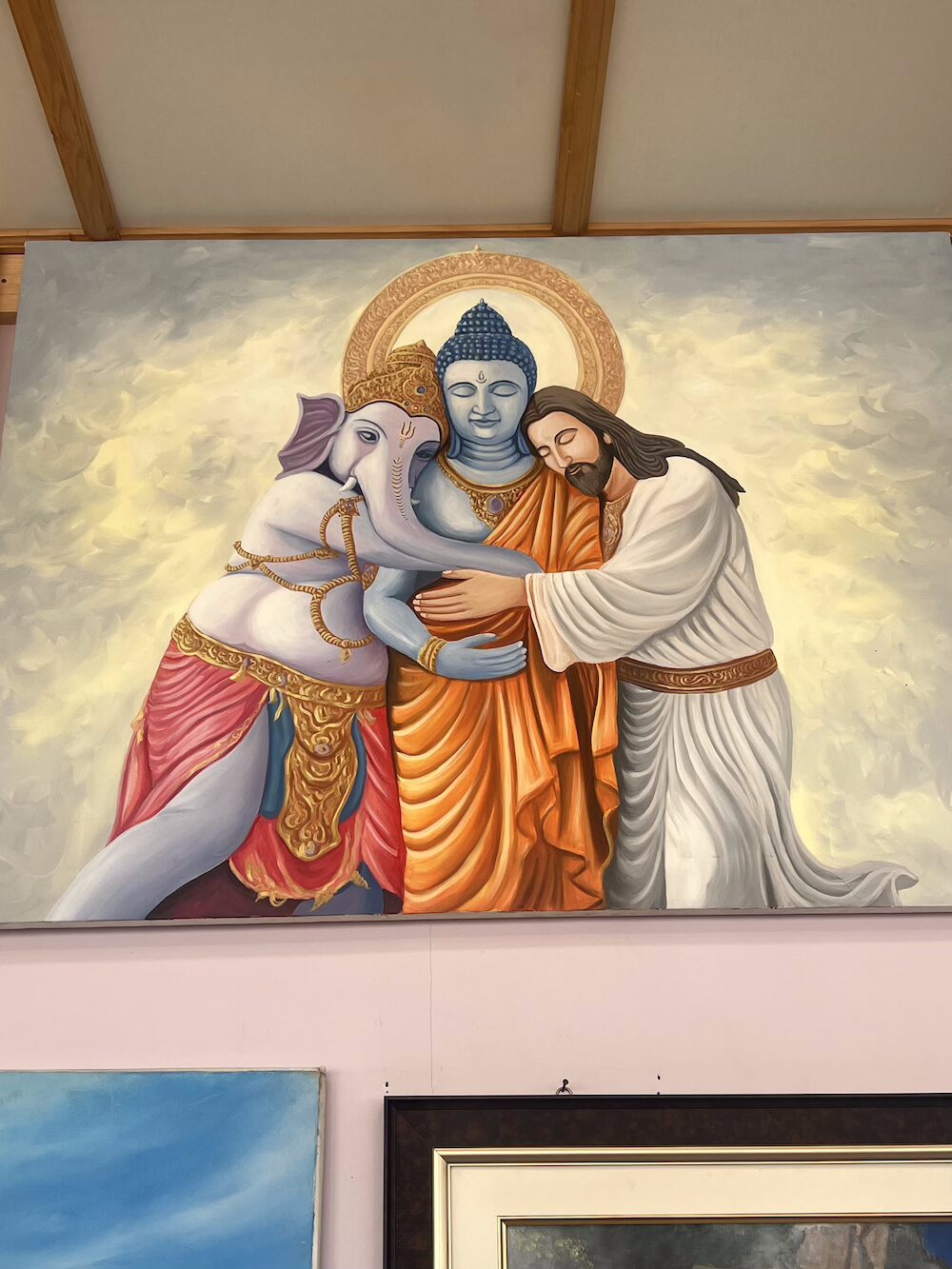
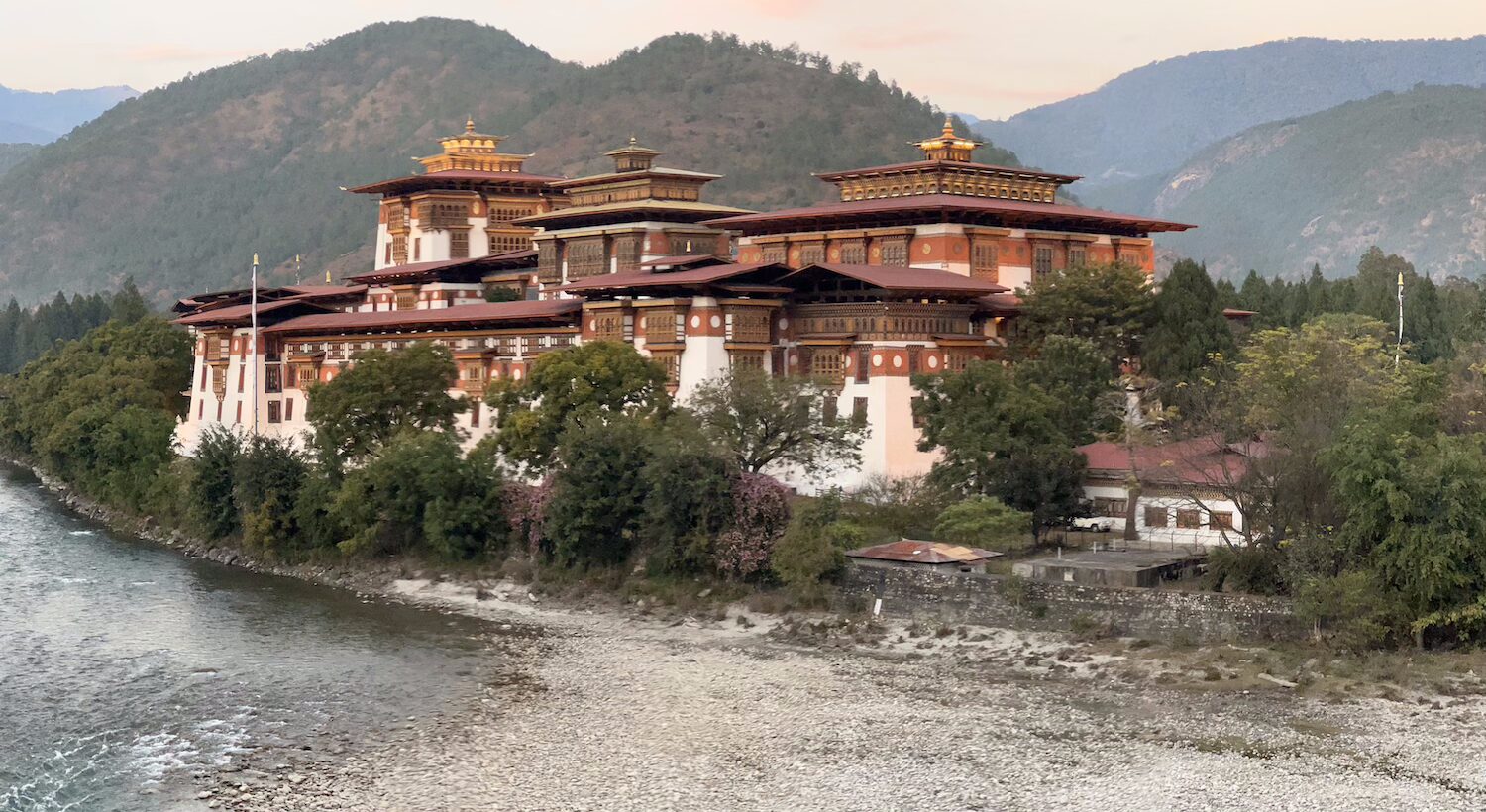
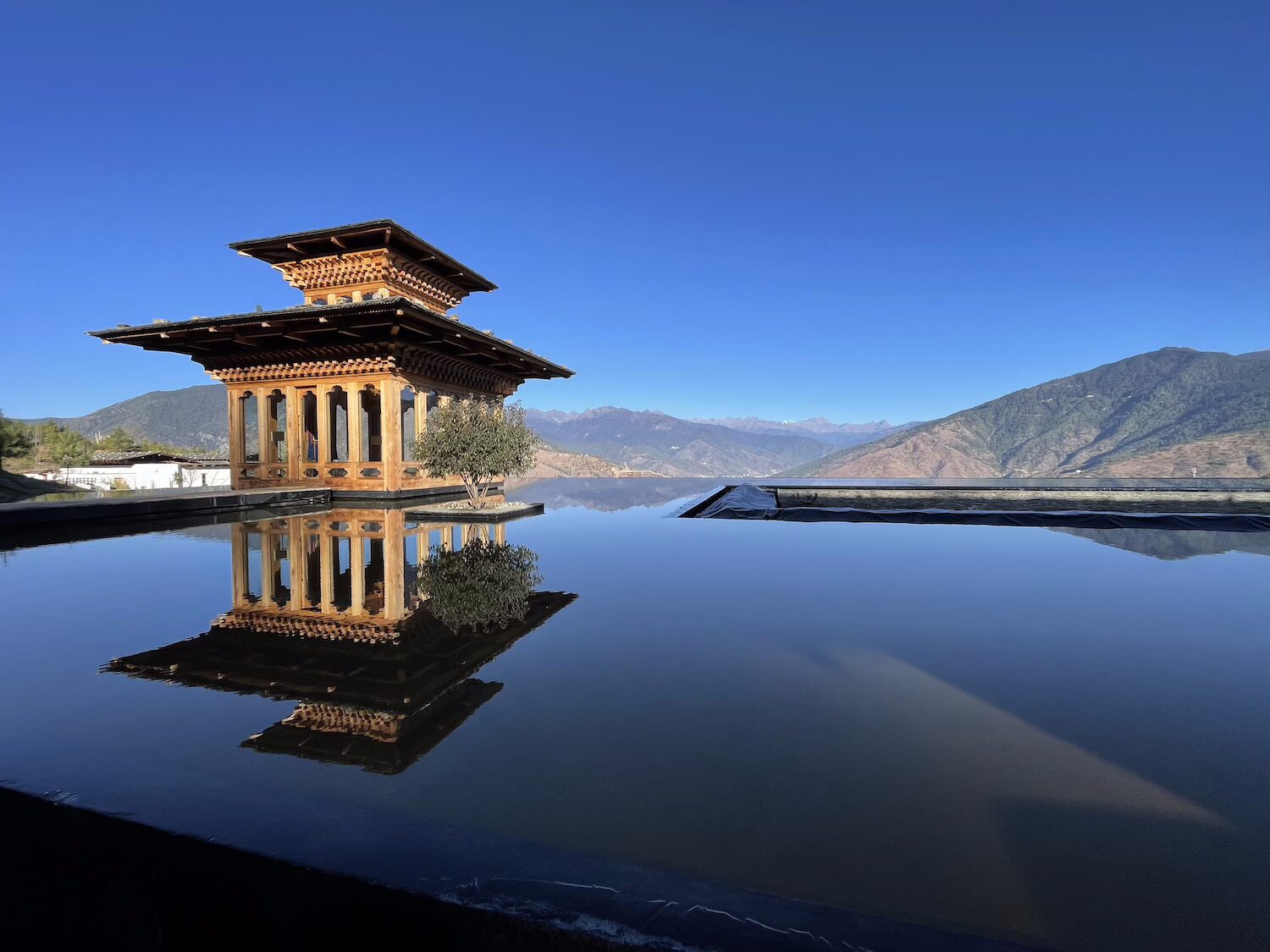
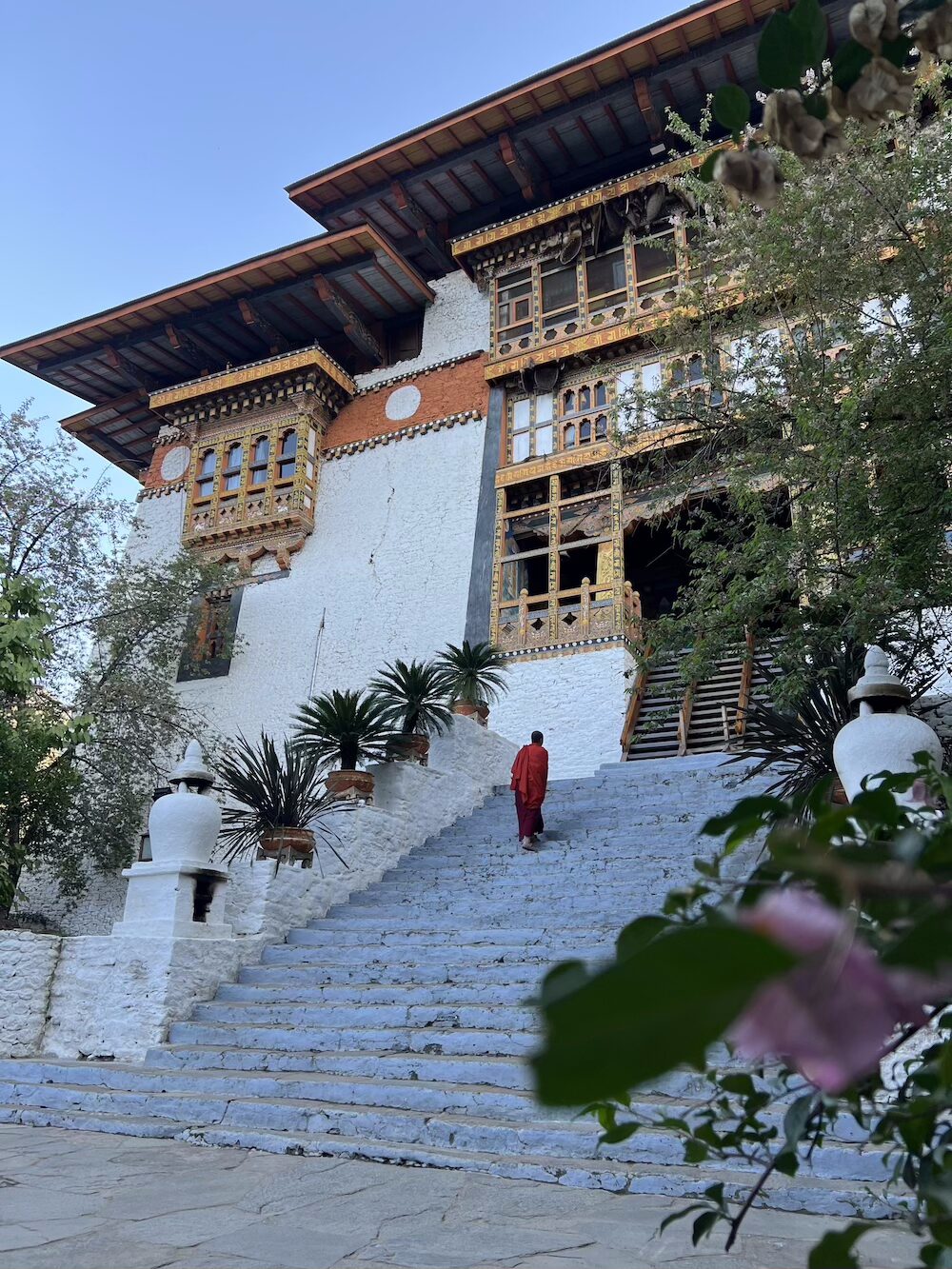
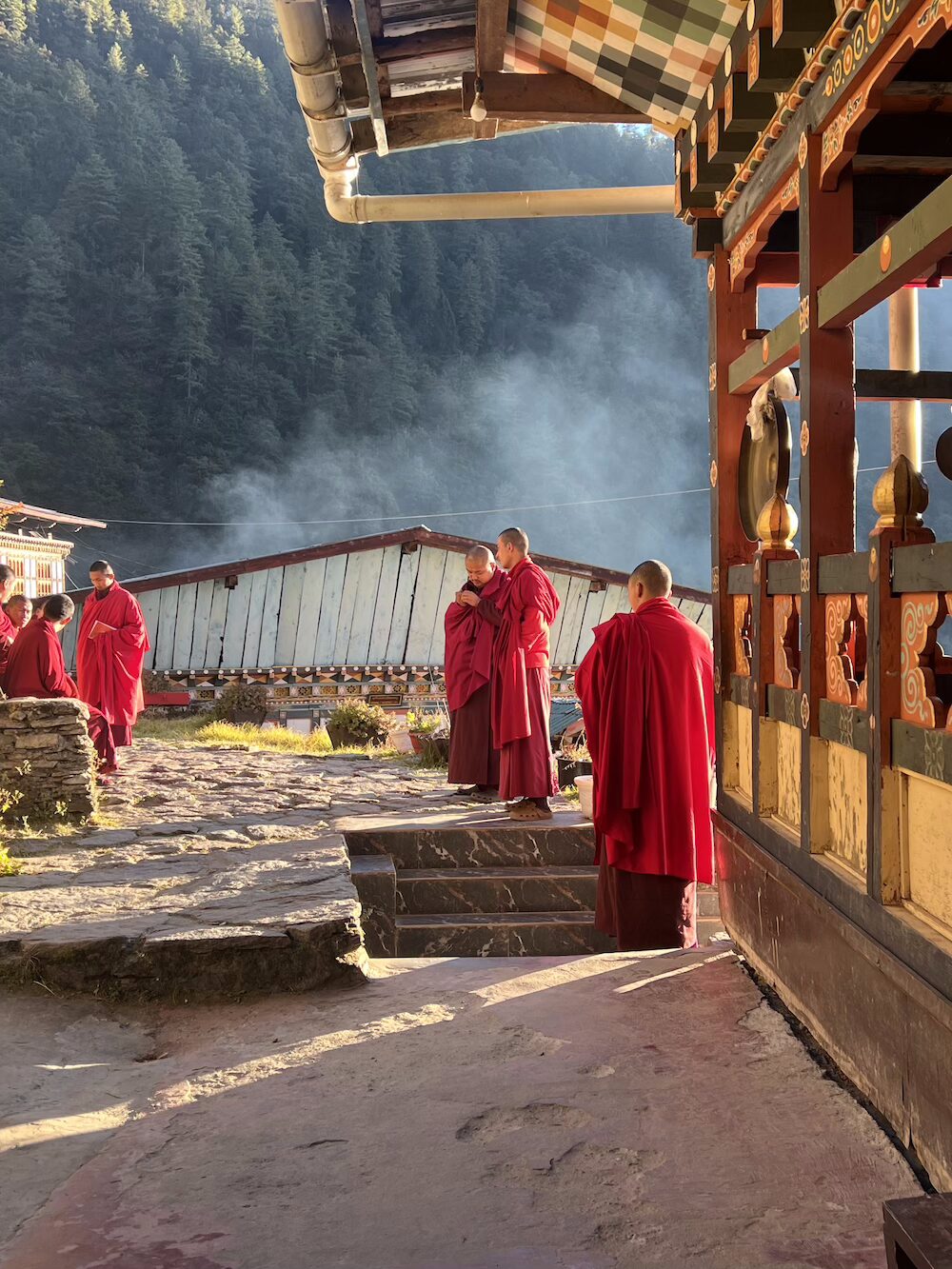
My trip moved at Bhutan’s pace, unhurried and layered. Mornings began with breathwork in a meditation pavilion overlooking a still reflection pool. Days unfolded along narrow mountain roads to Punakha, where monks welcomed us into a 17th-century fortress for chanting that lingered in the chest long after it ended. I hiked to Tiger’s Nest, Paro Taktsang, and watched hikers reach the summit without reaching for their phones, happy to simply enjoy the view. Each night, I would return to the luxury setting of Six Senses with its plush towels and cozy bedroom slippers.
Comfort, I was beginning to understand, was not the enemy of attention. Struggle, practiced long enough, becomes its own distraction. There is a concept in Bhutan called Gross National Happiness that treats wellbeing as seriously as GDP, rooted in psychological health, cultural resilience, ecological balance, and time. At its core, it argues that a good life isn’t one stripped of pleasure, but one where pleasure is purposeful and shared. Spending a week inside that philosophy, in a place that literally legislates for it, did something to my assumptions I can’t quite undo.
The ease was making space for something, not filling it in.
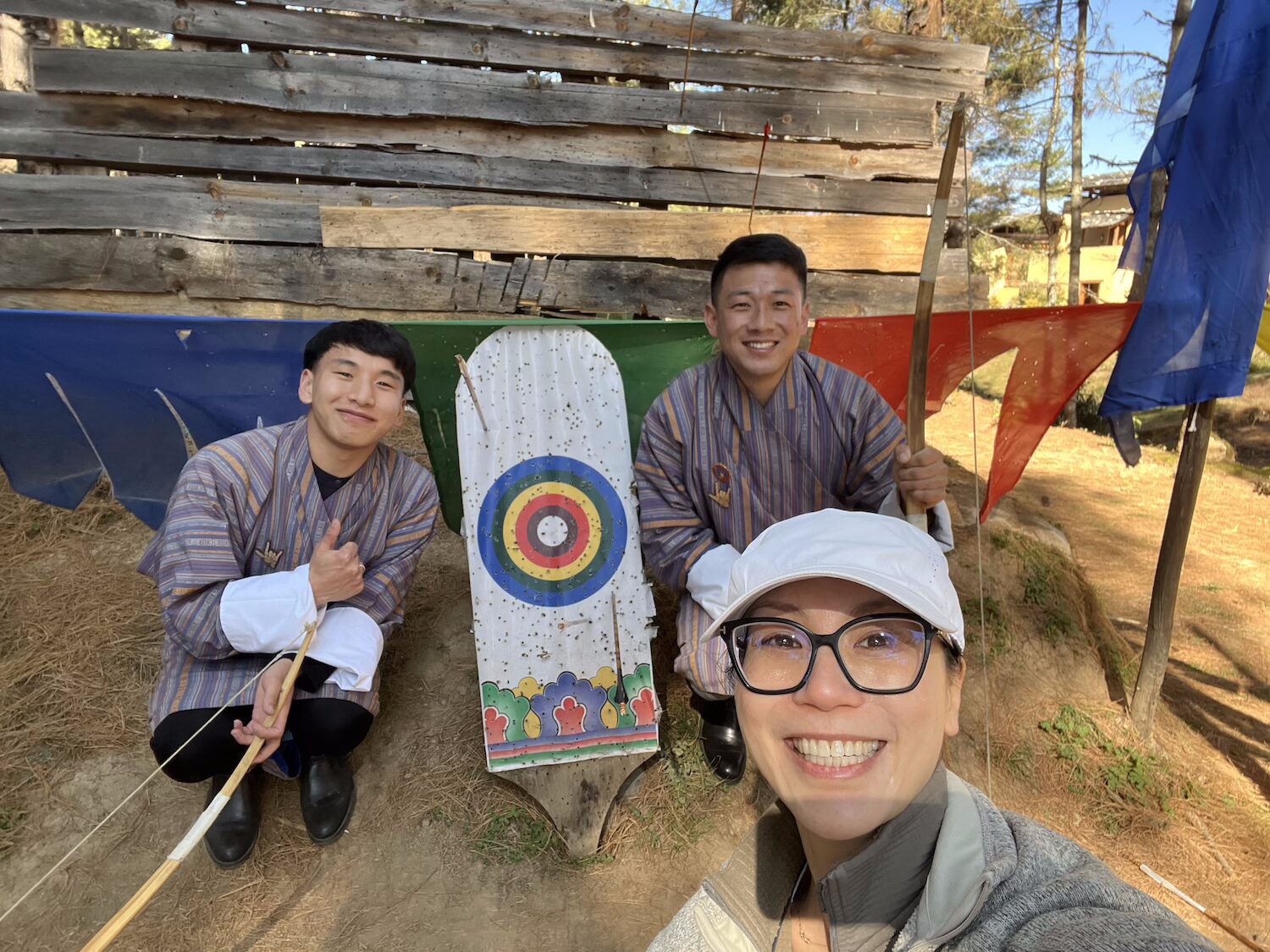
I still meditated every morning. I still sat with the discomfort that surfaces when you get quiet enough. I still hiked until my legs ached and my breath became something worth paying attention to (especially with the altitude). But I also slept well, ate beautifully, and spent evenings soaking in a cedar hot tub, watching the lights of the valleys twinkle in the mountain’s shadowy darkness. And I found, to my surprise, that I was more present for all of it, not less.
I thought about Parker Posey’s character in The White Lotus, and her admission that she wants a life of comfort and luxury. There’s something piercing in that moment, the rawness with which she says it, juxtaposed beside her daughter’s desire to live in a monastery. It exposes the way spiritual suffering can become its own vanity. The way the costume of the seeker starts to substitute for the actual work of seeing.
Maybe I’m just “not meant to live an uncomfortable life,” as Posey puts it. And maybe, that doesn’t make me less spiritual, just less performative about it.
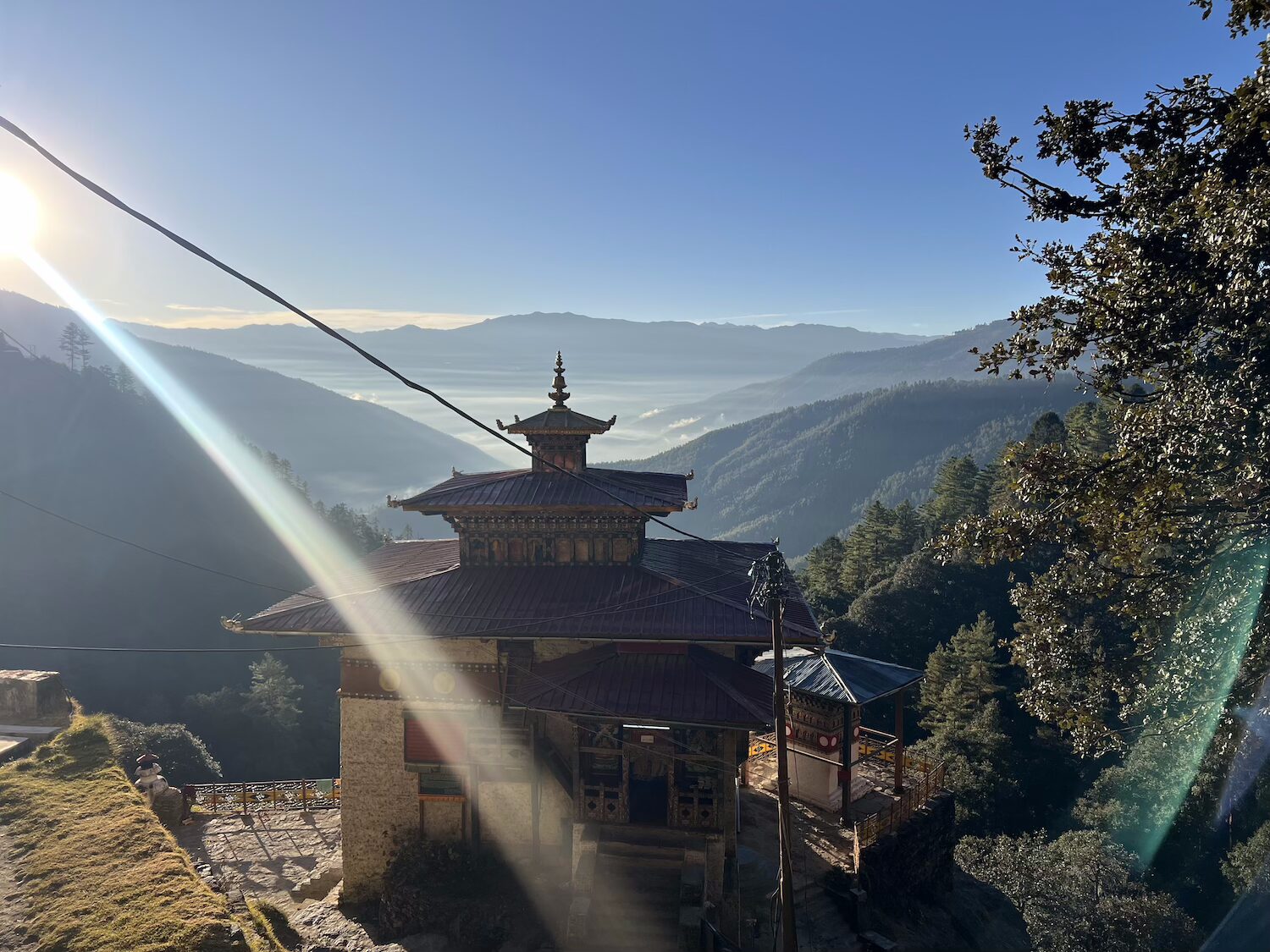
I’m returning to Bhutan in February 2027 to lead a retreat. We’ll stay at Six Senses Thimphu. We’ll chant, hike, breathe, and sit. We’ll also eat well, sleep deeply, and let the country do what it does, which is make you feel that you’ve come back to something you forgot you needed.
I don’t think I was wrong to believe in discipline, silence, or simplicity. I just had to come to Bhutan to learn that they work just as well when they’re chosen freely, not as penance but as presence.
The mountains were patient. They’d been waiting for me to figure that out.
Ingrid Yang, M.D., J.D., is a board-certified internal medicine physician, longevity specialist, as well as a meditation teacher and global retreat leader. She writes about the intersection of health, travel, and lived experience.
Ingrid leads small-group longevity-focused and spiritual travel experiences across the globe, from Japan to France.
Her February 2027 Bhutan retreat is open for applications at ingridyang.com.