There are places that host retreats. And then there are places that seem to understand why people need them.
By Kristina Smith
The Lodge at Pine Cove belongs to the latter category.
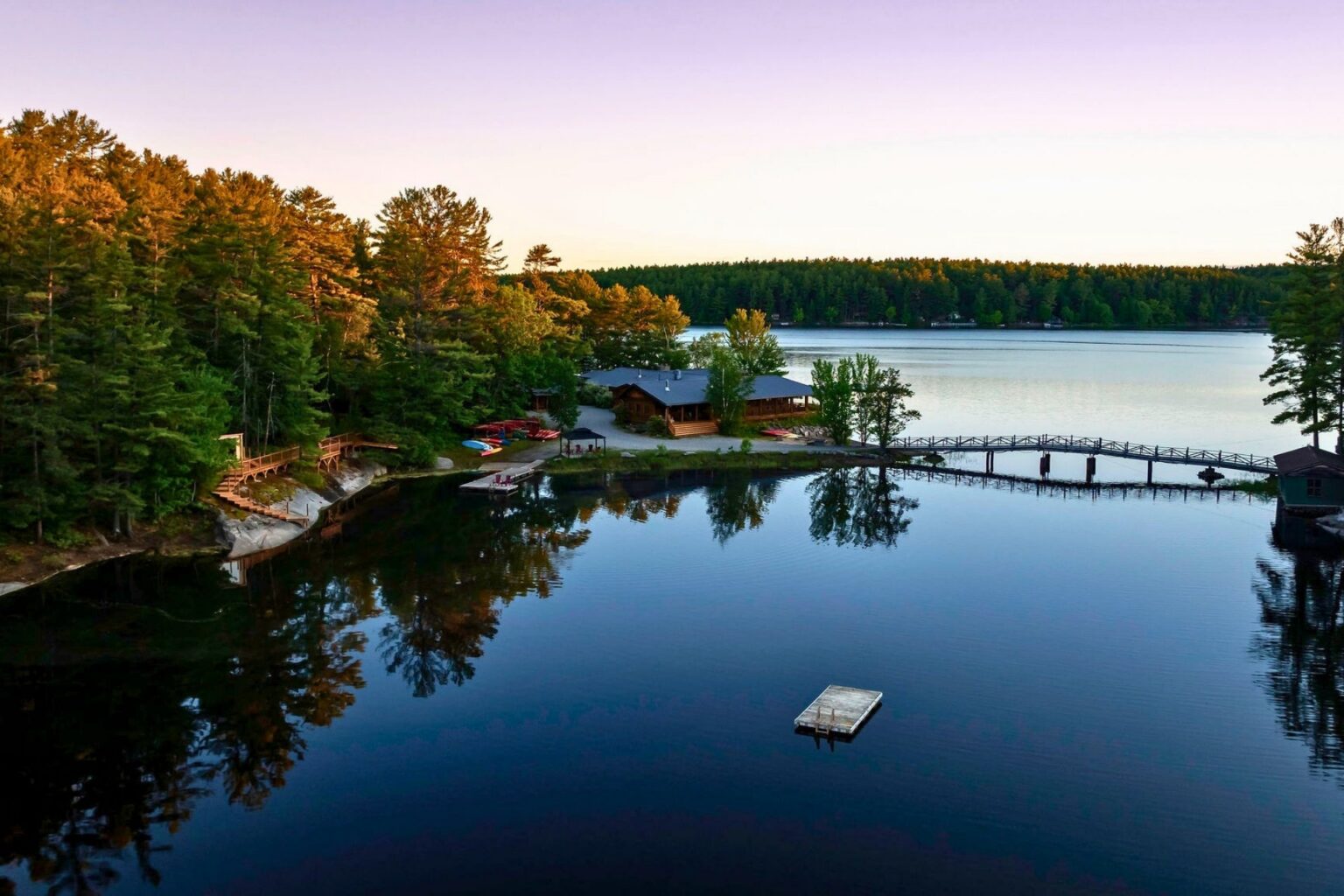
Set along Ontario’s storied French River, about four hours north of Toronto, the lodge sits in a landscape shaped by water, granite, pine forest, and time. For travellers outside the province, the French River may be less immediately familiar than Muskoka or Prince Edward County, but it holds a deeper, older kind of resonance.
Flowing from Lake Nipissing toward Georgian Bay, it was the first river designated to the Canadian Heritage Rivers System, recognized for its cultural significance as a travel and trade route for Indigenous peoples, explorers, fur traders, and voyageurs, as well as for its natural and recreational values.
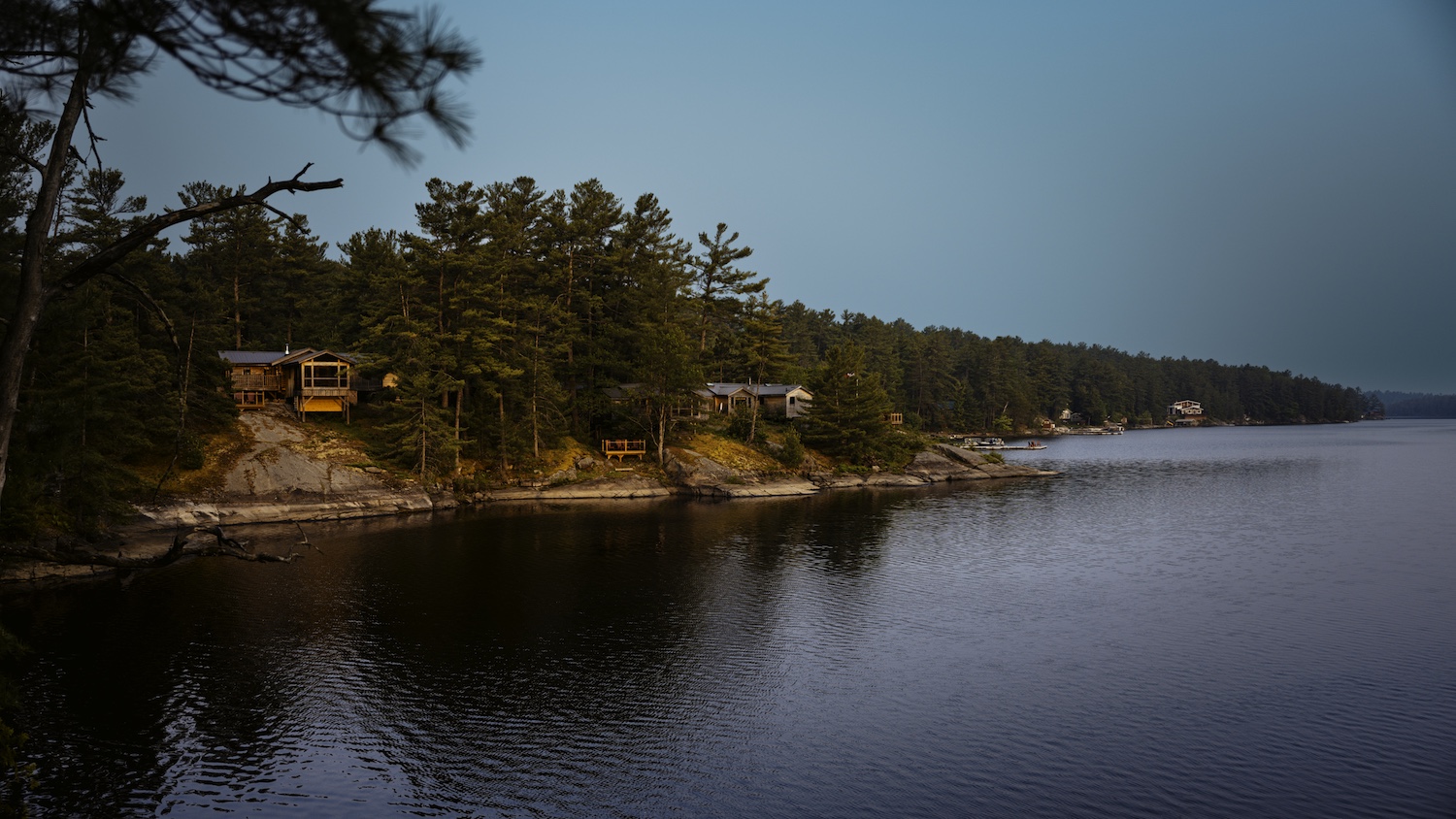
Today, the river remains a place of channels and islands, sheltered bays and open water, pink rock and wind-shaped trees; a wilderness corridor that feels both expansive and intimate.
This is the setting retreat hosts we speak to are always trying to find: remote enough to create a true sense of departure, comfortable enough to let guests relax immediately, and layered enough to become part of the work itself.
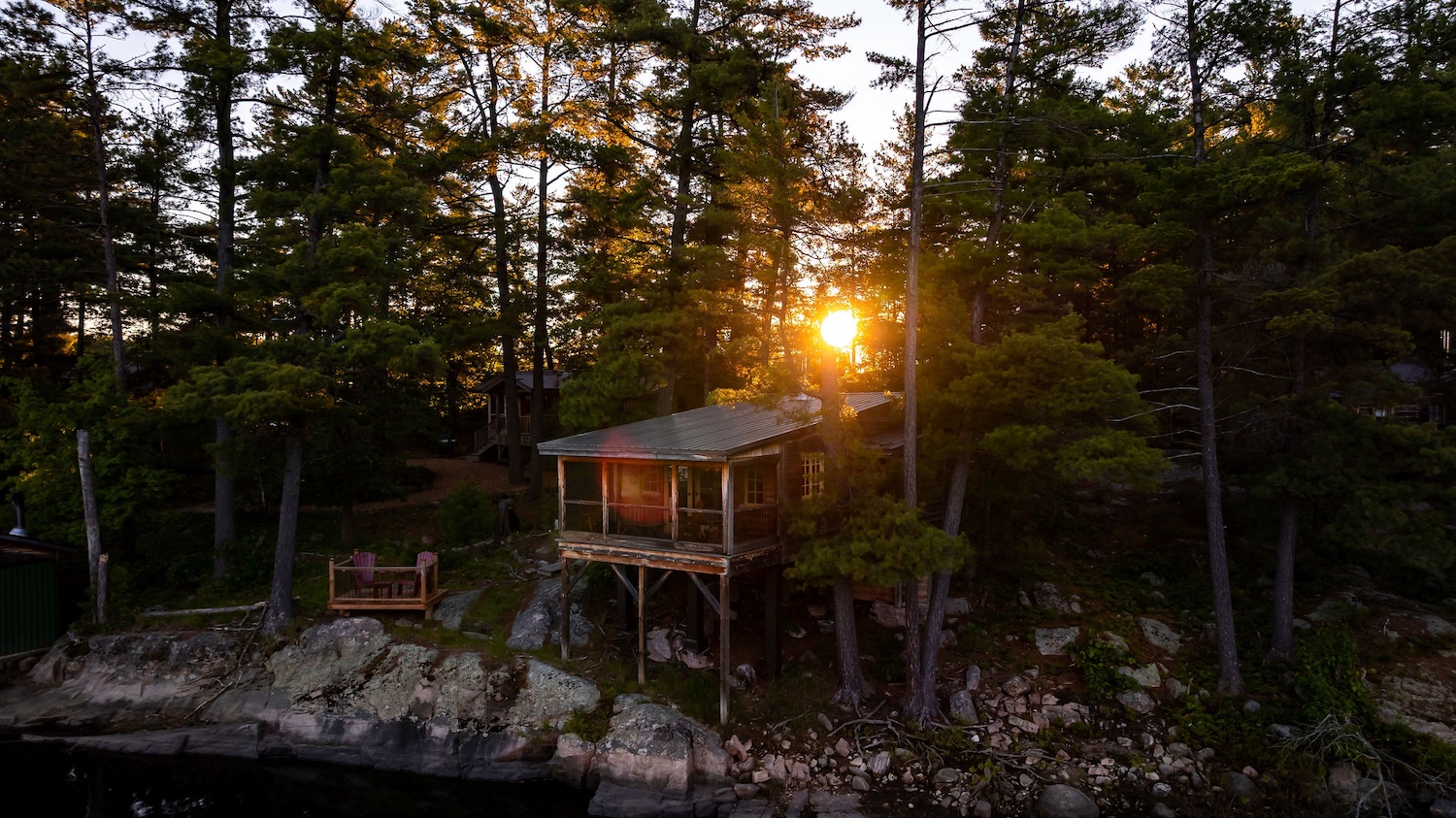
At The Lodge at Pine Cove, that “work” might be yoga, leadership development, creative practice, grief, restoration, or simply the slightly difficult art of just becoming present again. The property is made up of 20 private cottages tucked into the shoreline and forest, along with a grand main lodge that feels less like a central facility and more like the heart of the experience.
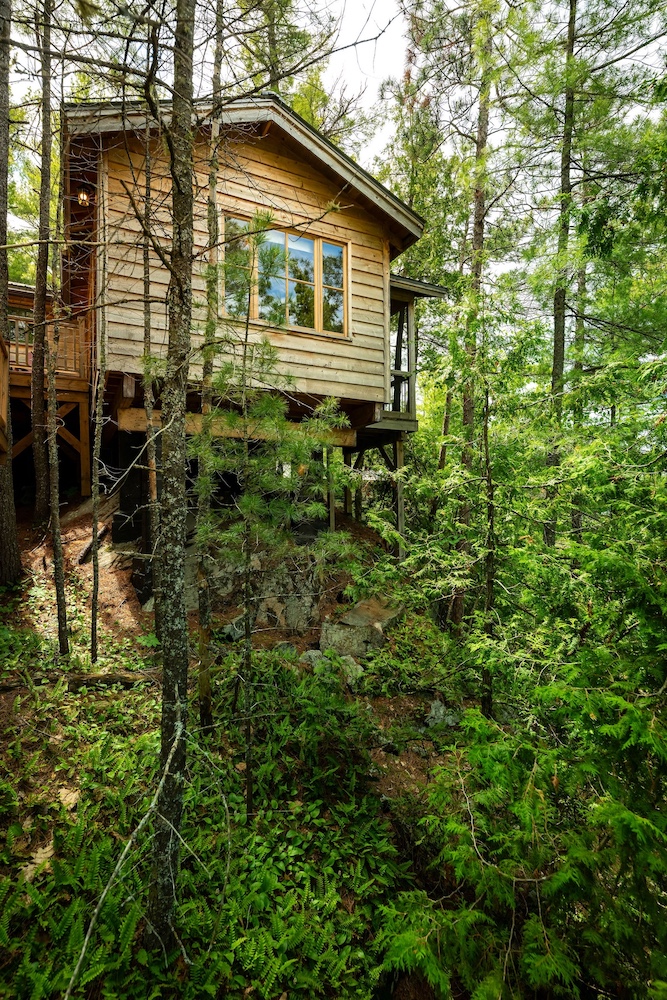
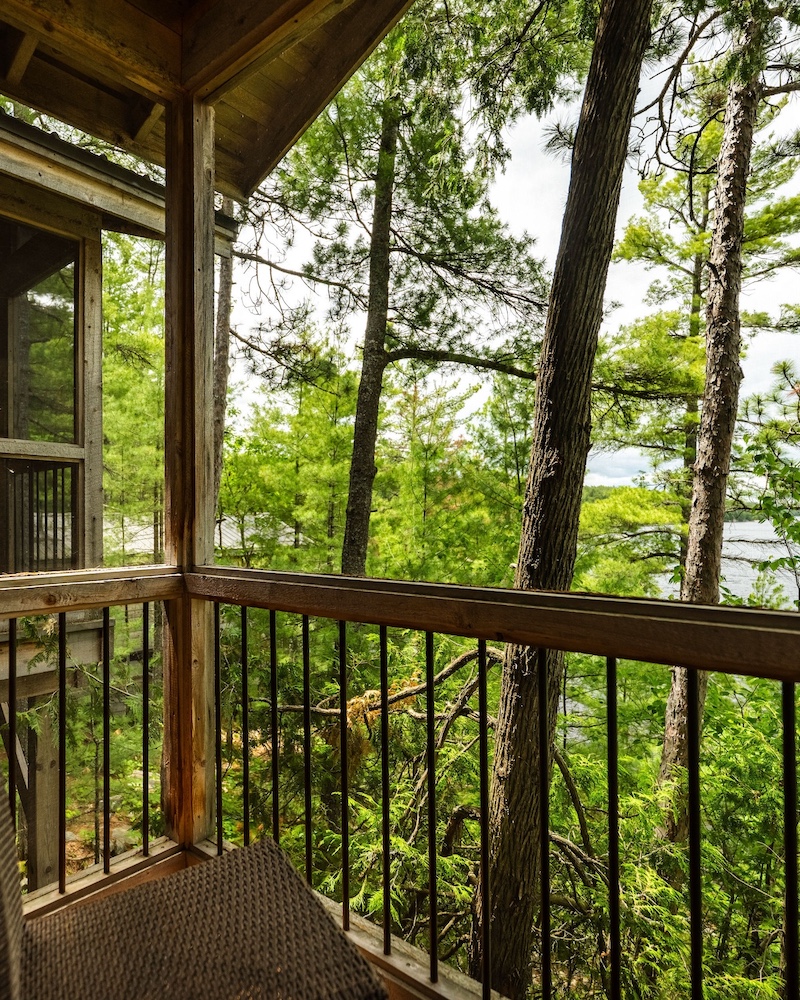
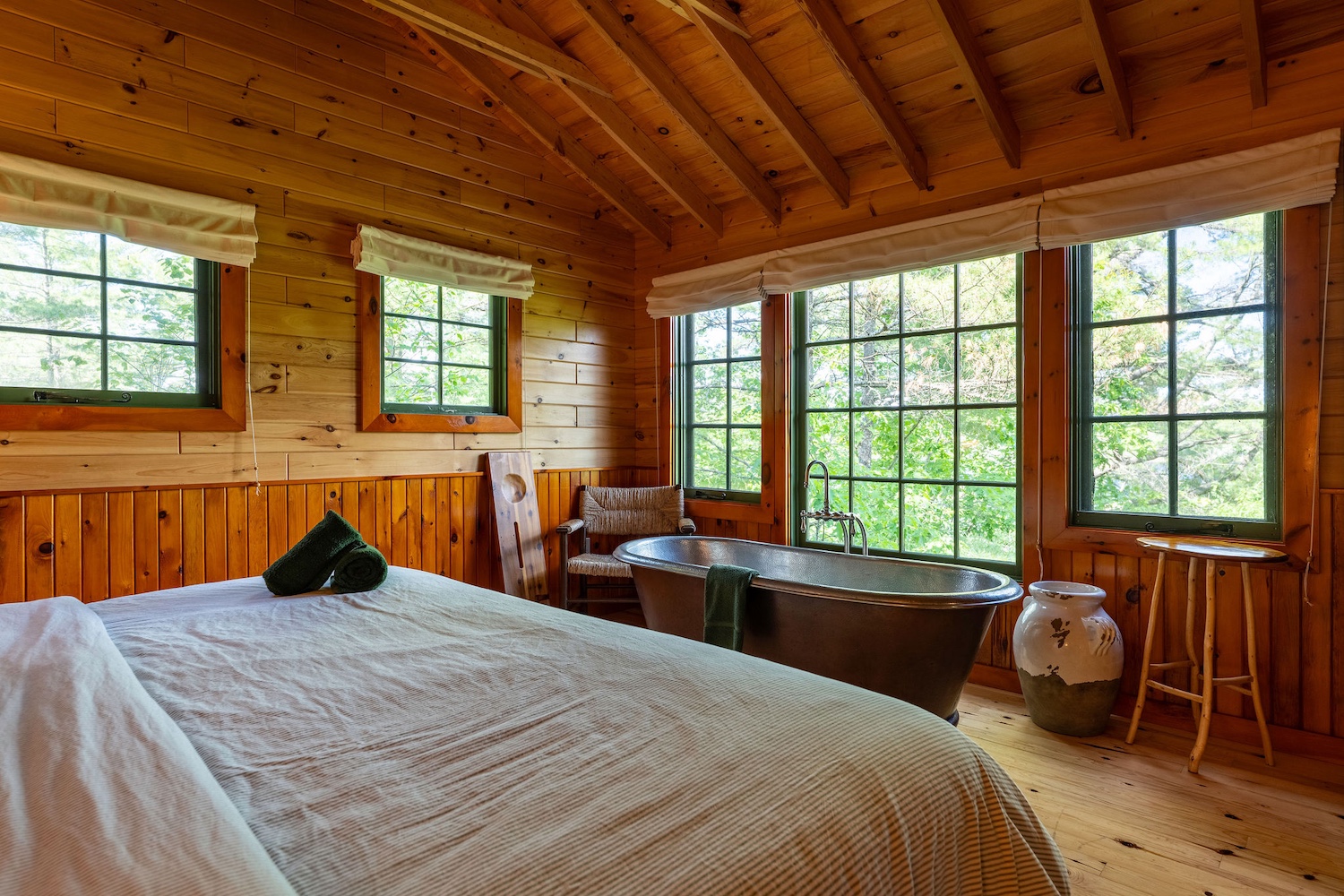
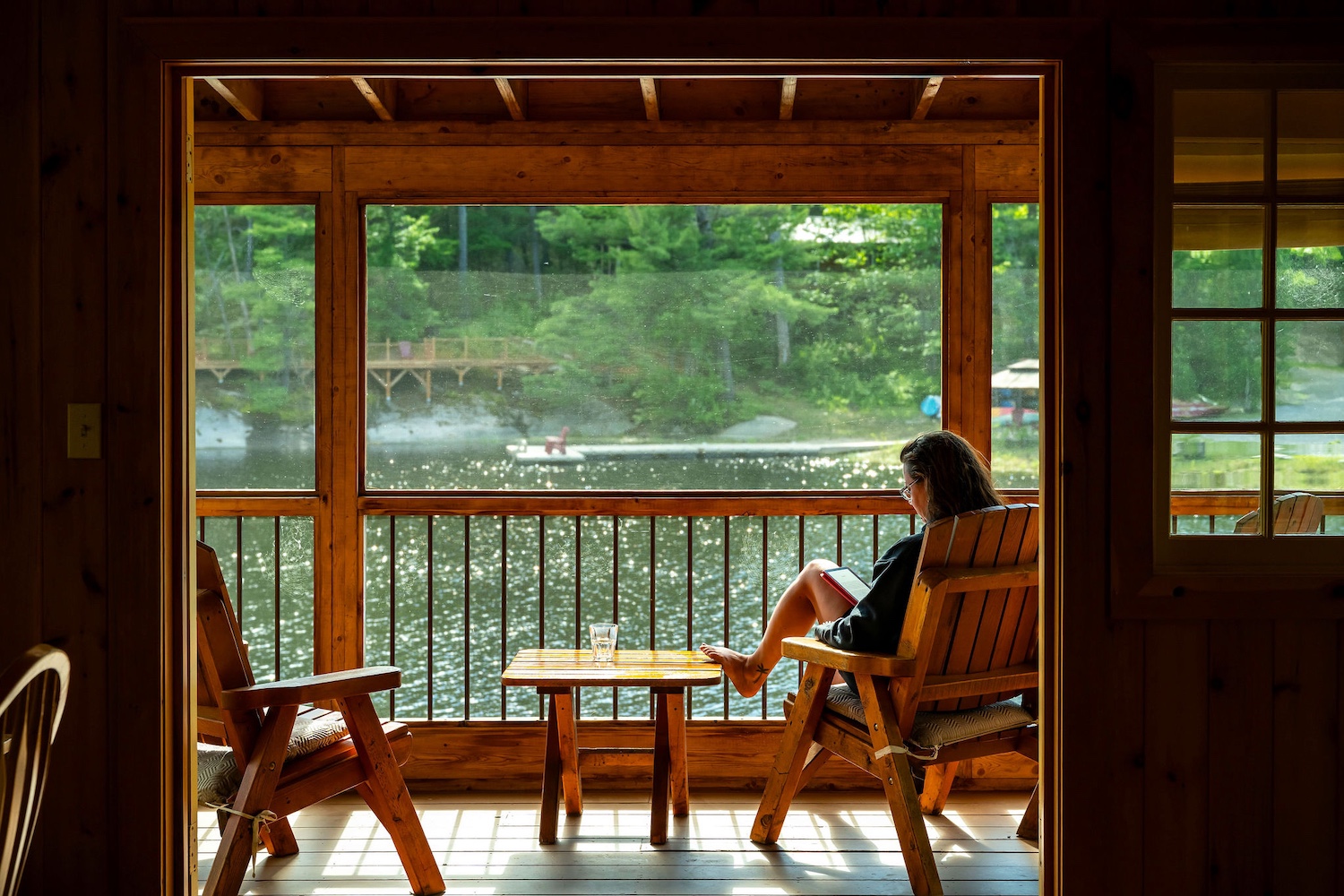
Cottages are individually designed and include full kitchens, linens, towels, coffee and tea, screened porches, and quiet views through the trees. Some include handmade copper soaking tubs. All are built with the kind of practical comfort that matters deeply during a multi-day retreat: privacy, warmth, space to unpack, and enough beauty to make even a morning cup of coffee feel like ritual.
For hosts, the appeal is not only aesthetic. It is logistical in the best possible way.
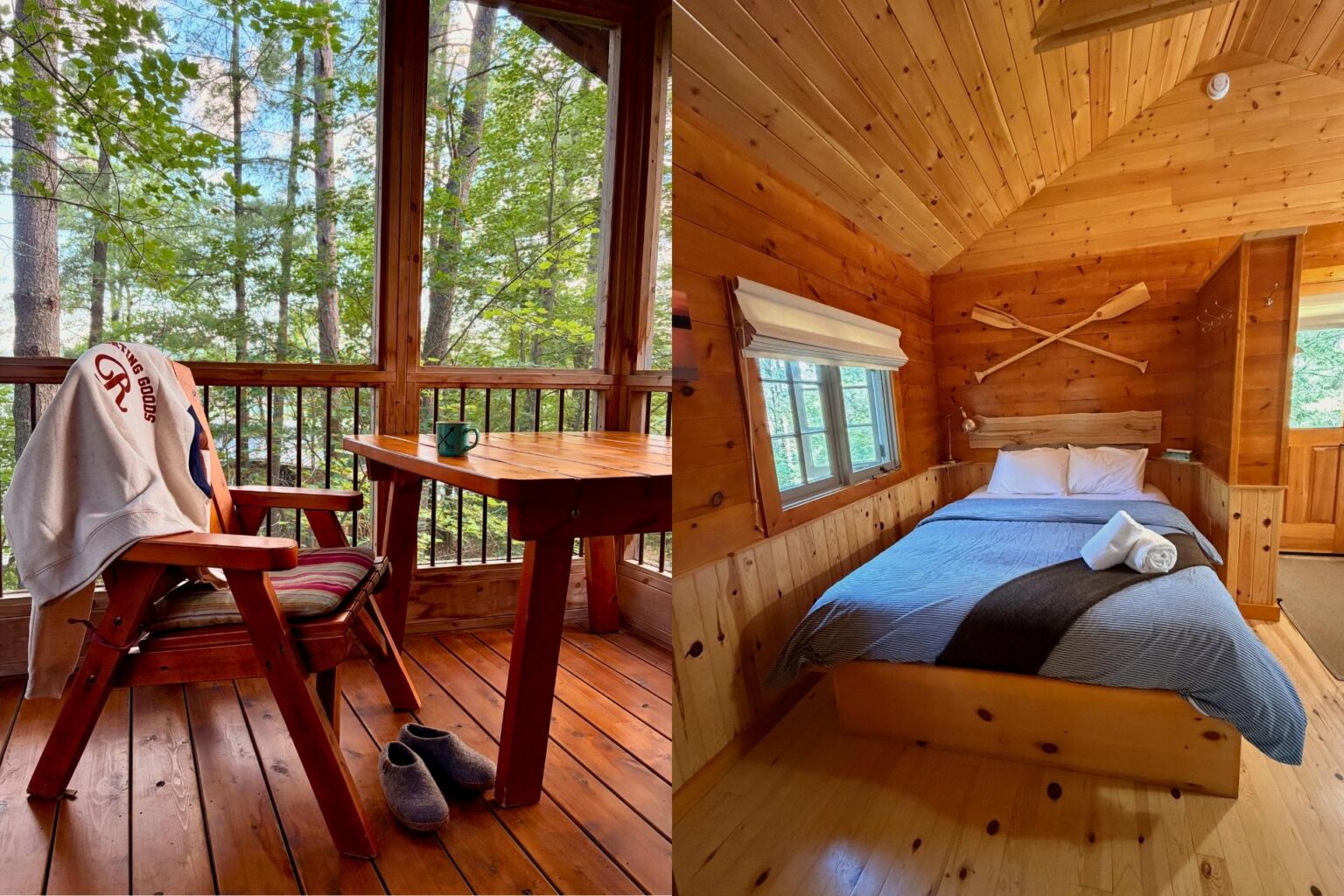
Groups can book by private bedroom within a shared cottage or reserve private cottages, allowing retreat leaders to shape the pricing and energy of the experience. King beds can be converted into twins, though many retreats keep rooms private and beds king-sized. Facilitators can stay alongside their participants or be placed with more separation, depending on the tone of the gathering. The property supports both intimacy and breathing room.
Arrival, too, has been considered. Guests are welcomed, their luggage is brought to their cottage, and the retreat can begin immediately. Depending on the host’s vision, that might mean a gentle movement class, an opening circle, a fireside introduction, or a relaxed cocktail hour to let everyone exhale from the drive. It is a small detail, but a powerful one: the administrative friction of arrival is removed, and the group enters the experience already being held.
“I chose The Lodge at Pine Cove because it naturally embodies what I hope people experience during the retreat—a slower pace, a genuine sense of calm, beautiful natural surroundings, and thoughtful hospitality that makes you feel cared for from the moment you arrive.”
– Jill Kantor, Founder & Retreat Host, The Hygge Wellness Company
Meals are central to that sense of being held. Most retreat meals are served together in the lodge, where the dining room can shift from a long-table gathering to a private meeting room with preferred table setups and a projector. Breakfast may be delivered as hampers to individual cottages or served communally in the lodge. Lunches and dinners are prepared with dietary restrictions in mind, and the food, according to staff, is one of the most consistent sources of positive guest feedback.
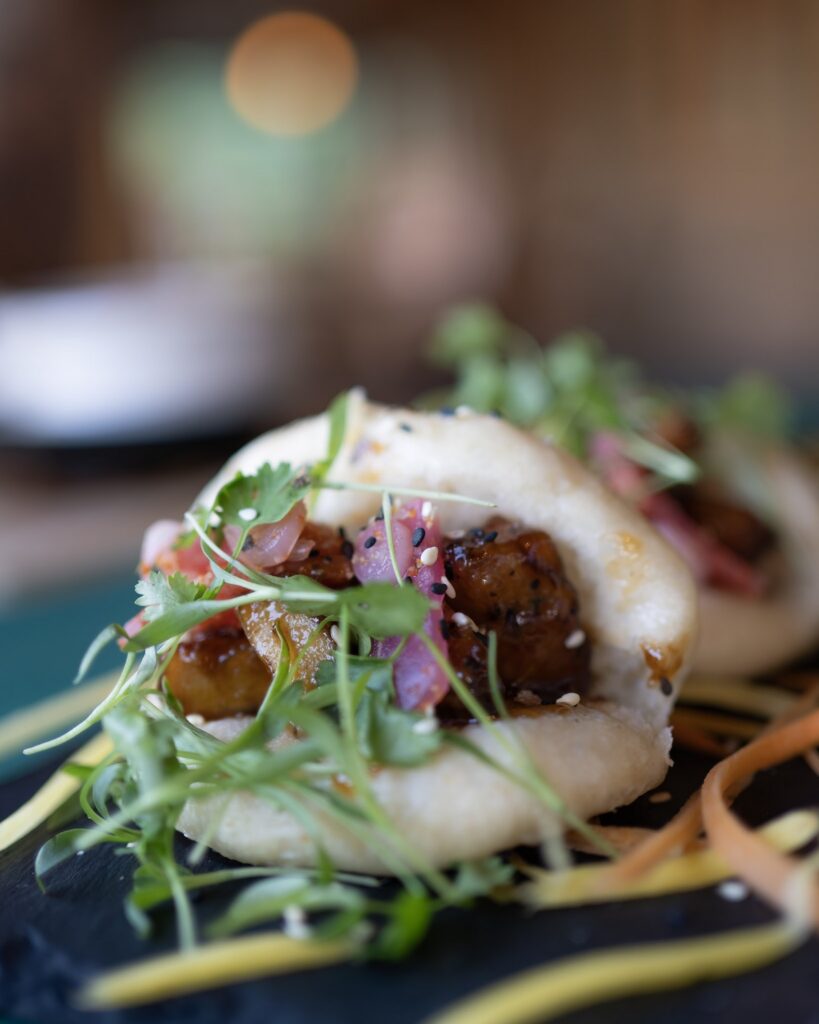
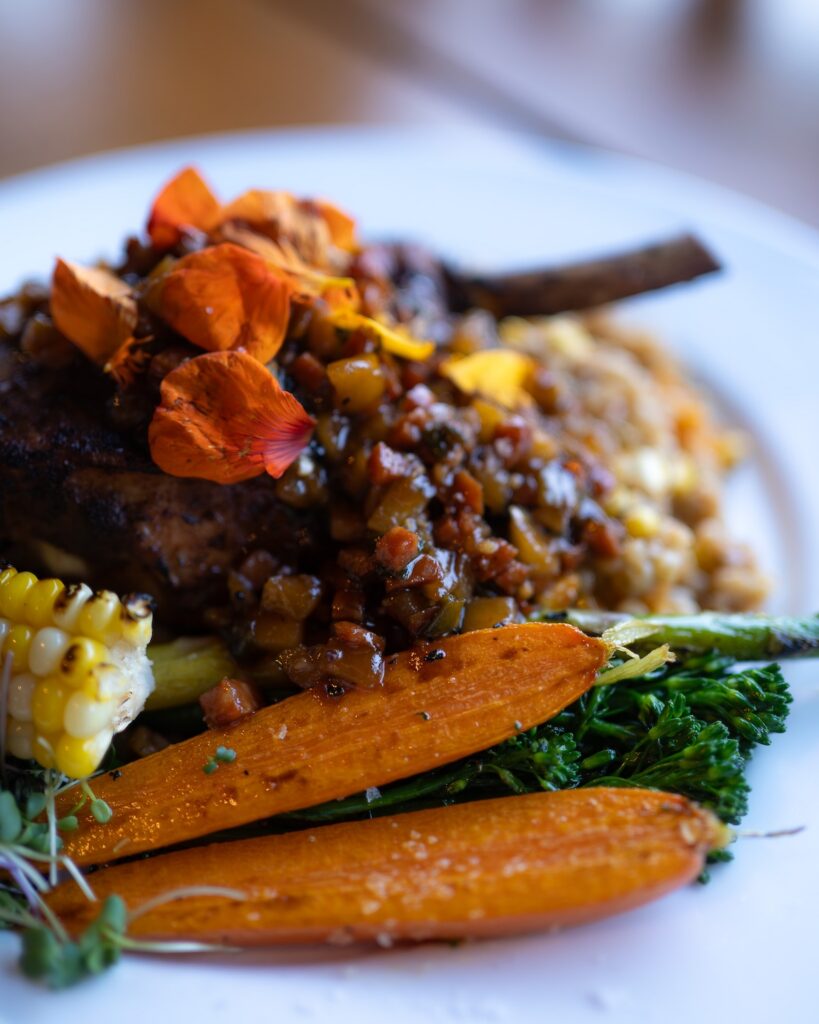
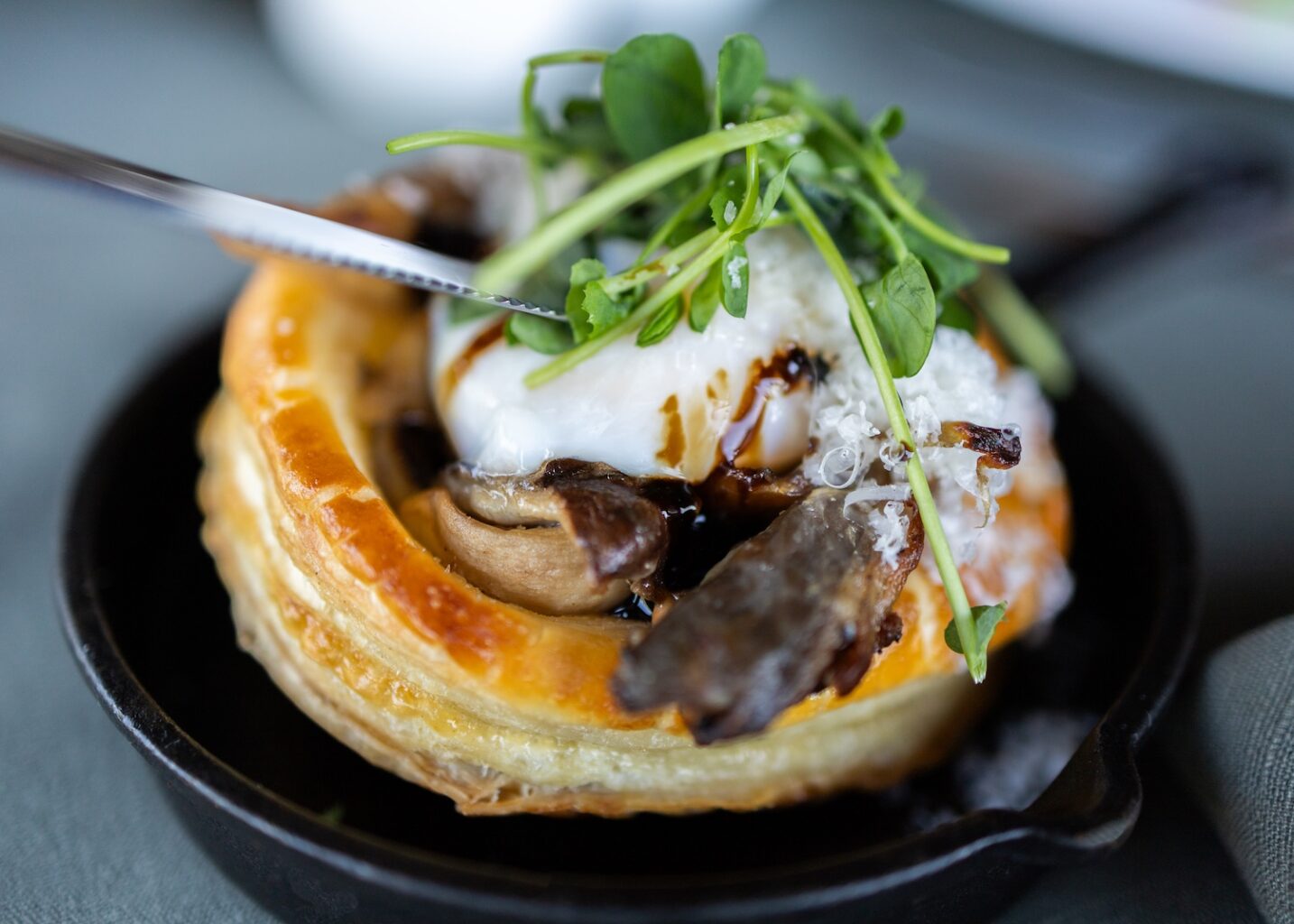
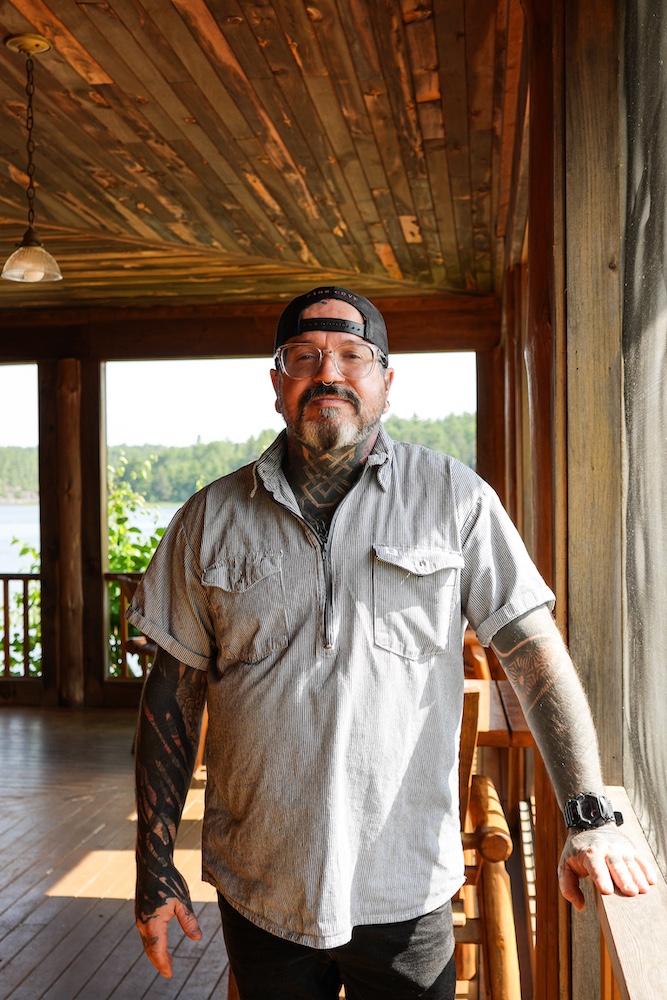
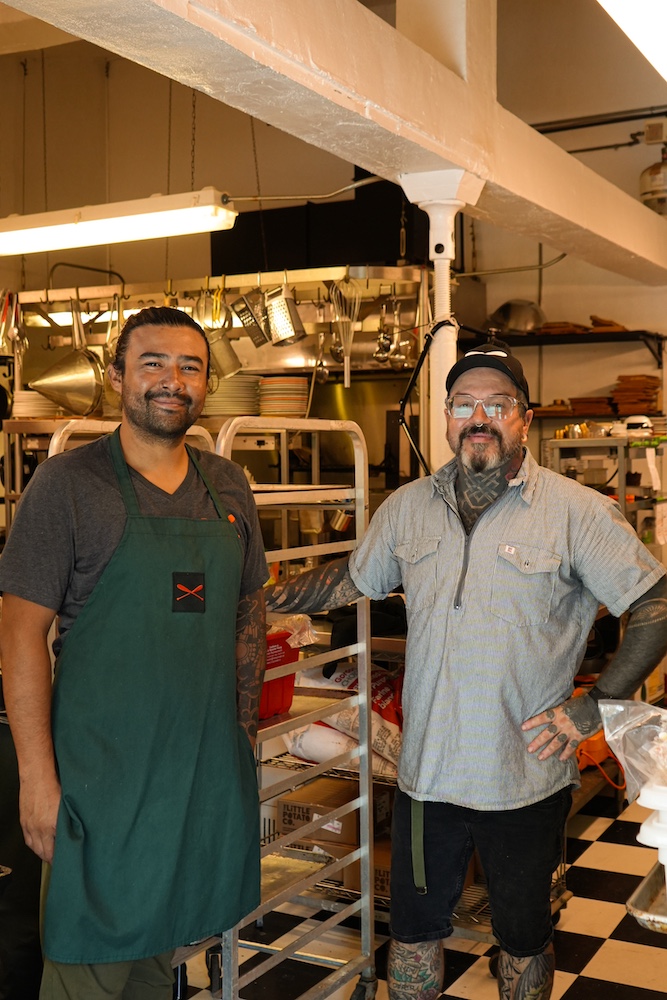
Chef Eric brings a warm, open spirit to the kitchen, and the food is one of the quiet pleasures of a stay here—thoughtful, generous, and rooted in the season. During our visit, that meant local mushrooms folded into a wild mushroom tart, pickerel tempura, homemade pasta, a smoked tofu wrap with sesame hoisin slaw, and nourishing cottage breakfasts of croissants, homemade sourdough bagels with confit, yogurt, granola, and orange juice.
For groups doing emotional, creative, or strategic work, this really matters. A retreat often rises or falls on the spaces between the “official” sessions: the conversations over coffee, the unplanned honesty over dinner.
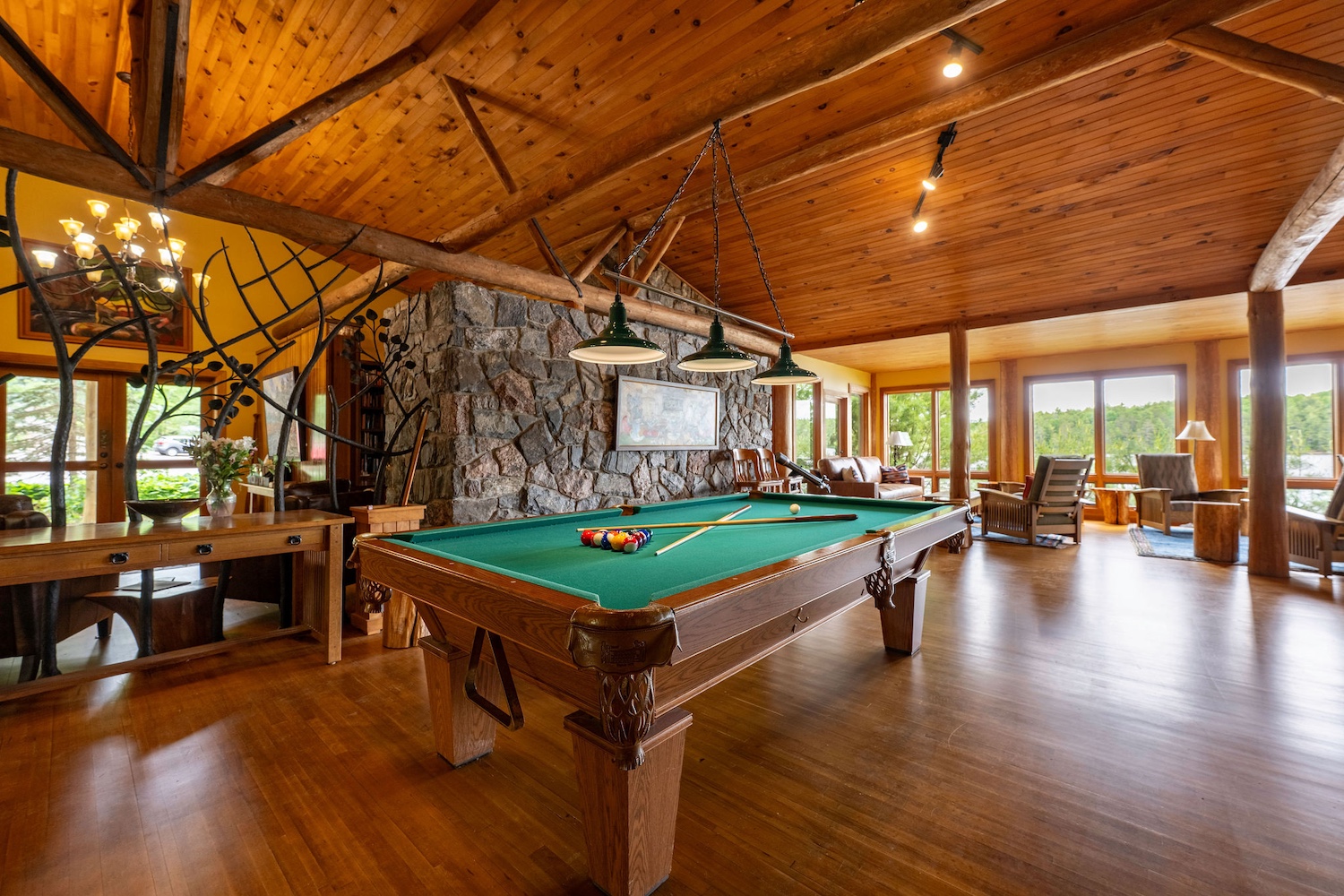
The main lodge is intentionally flexible. Some groups gather everyone around one table. Others break into discussion circles or set up separate workstations throughout the space. The screened porch can become a long-table dining room or a breezy workshop setting. The dining area can become a focused meeting room. Refreshments are kept available at the bar, creating a natural rhythm of pause and reconnection.
But the most memorable meeting spaces at The Lodge at Pine Cove are not indoors.
There is the beach, where groups can gather around a fire. There are hiking trails where discussion can become movement and silence. And then there is Shangri-La, the lodge’s private island.
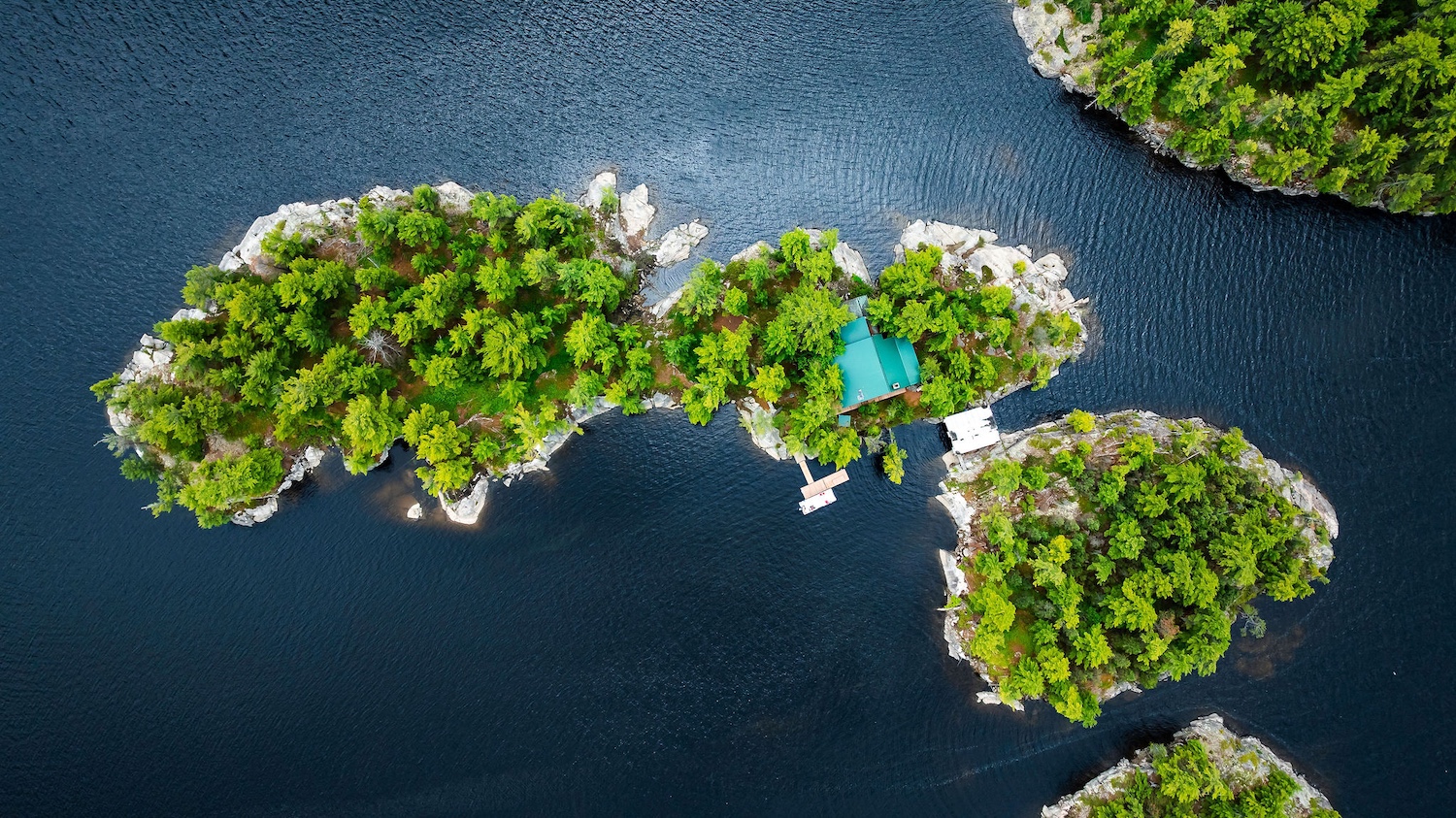
For retreat hosts, Shangri-La may be the property’s defining feature. It offers complete quiet, a historic island home, and the rare feeling of being apart from even the place you have already retreated to. Groups can gather there for conversation, reflection, or informal mingling. BBQ baskets can be sent with them, and food can be prepared on the island.
Staff note that while Shangri-La is currently used as a secondary retreat location, the lodge plans to develop island-specific retreats in the future, with professionals staying on-site to host lectures, presentations, and think groups.
It is easy to imagine why. In a world where event retreats sometimes have to compete with pings and the reflexive reach for a phone, Shangri-La offers something increasingly difficult to engineer: true respite.
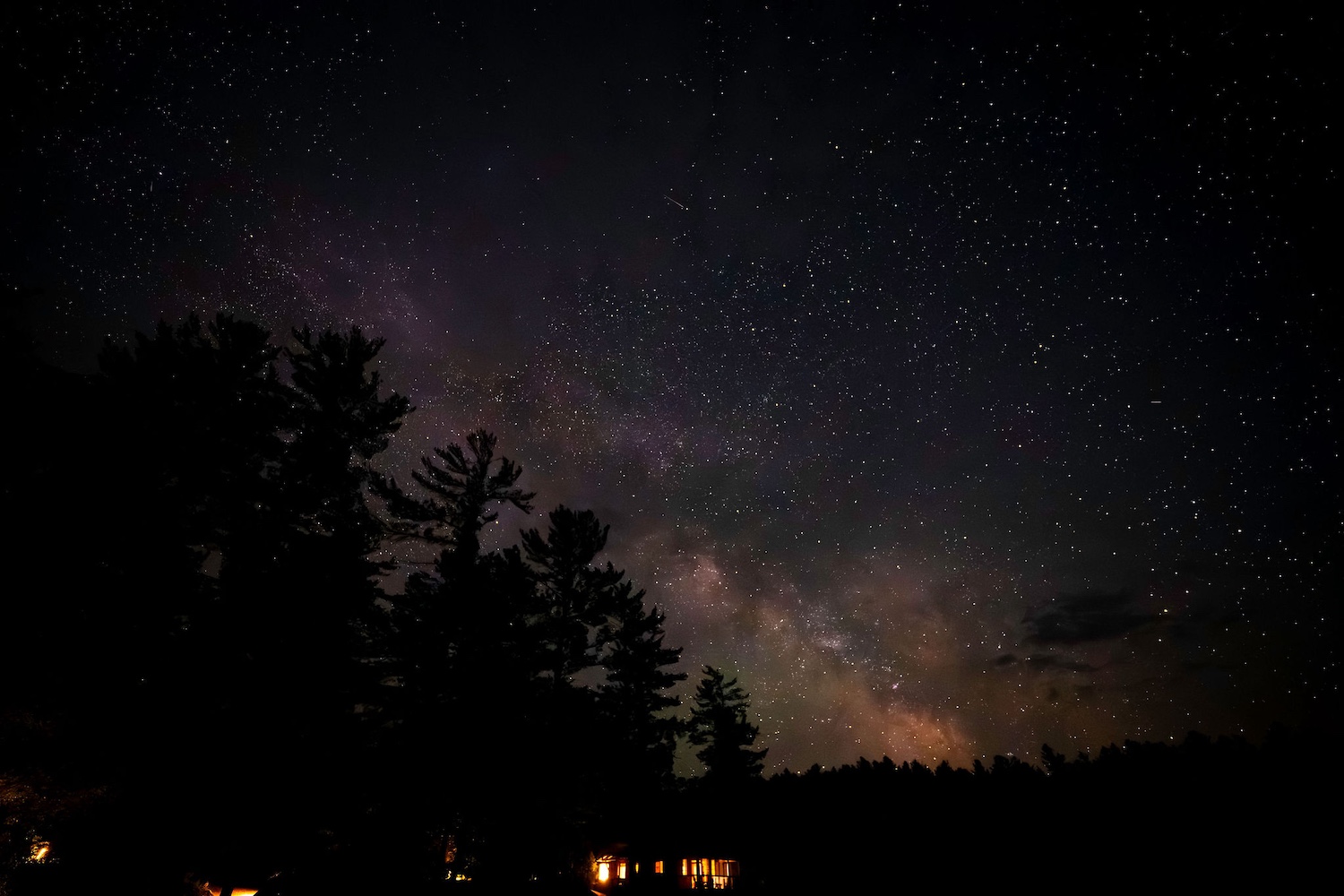
Connectivity at The Lodge at Pine Cove is intentional. High-speed Wi-Fi is available in the main lodge, making it possible to support corporate group work, presentations, and necessary communication. But once guests leave the main lodge, they disconnect. Cell service in the area is limited, and the cottages are not designed for digital drift.
For corporate teams, this creates an interesting shift. Instead of disappearing into individual devices during every break, people tend to stay together. The conversation keeps moving. The work continues in informal ways. For wellness retreats, the impact is even more direct: the nervous system gets a chance to settle.
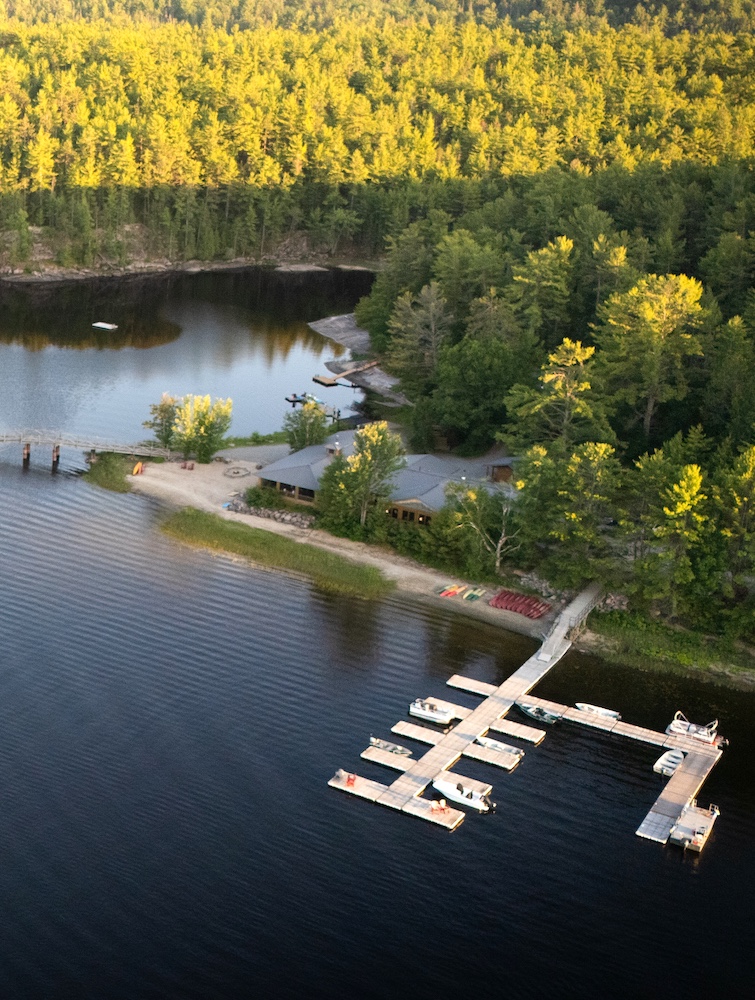
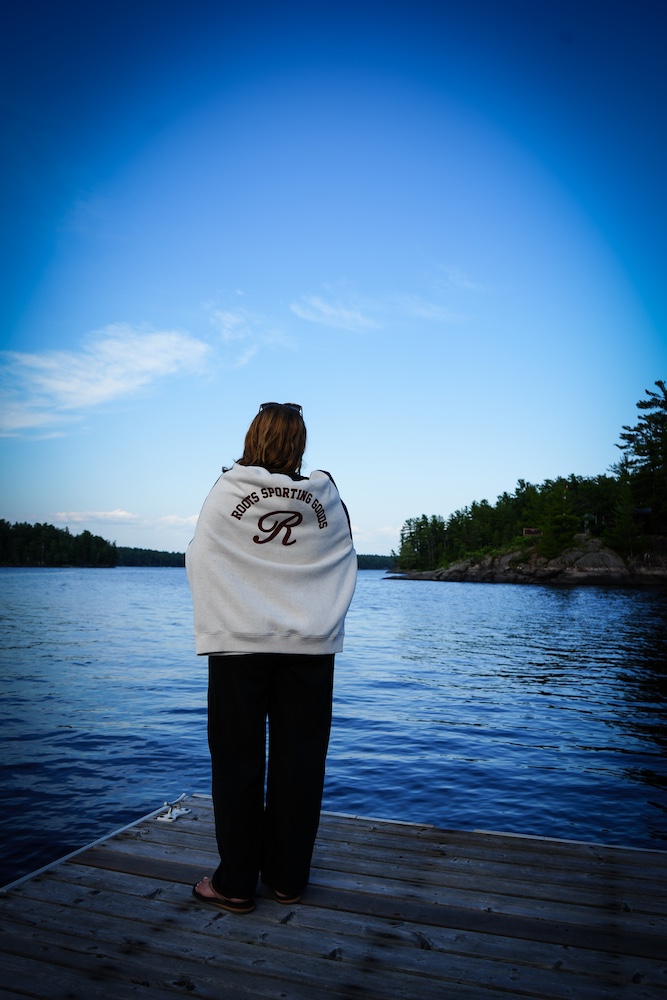
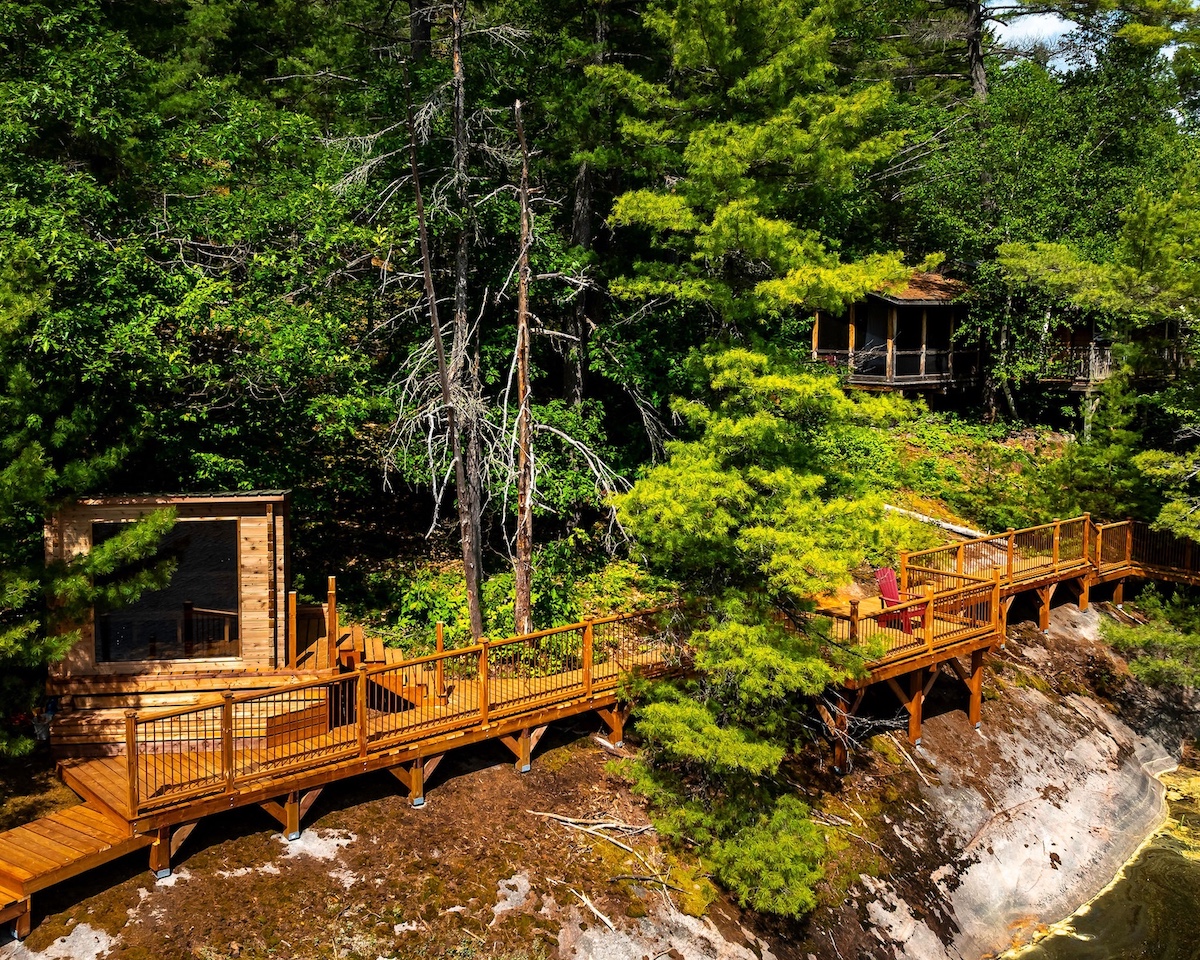
The landscape does its part, too. The lodge’s retreat programming can incorporate kayaking, canoeing, paddleboarding, guided boat tours, a voyageur canoe, swimming, hiking trails, beachside fires, group picnics, island BBQs, and a gorgeous panoramic sauna. But one of the most memorable activities may be a guided boat tour with owner Alex Strachan.
Strachan is one of those rare hosts whose knowledge turns scenery into story. On the water, he reads the French River through history, geography, geology, and lived experience. He points out what would otherwise be missed: the logic of the channels, the route of earlier travellers, the relationship between land and water. He is fascinating, generous, and deeply kind—the kind of person who reminds you that place-based travel depends on people who have taken the time to truly know, even make, a place.
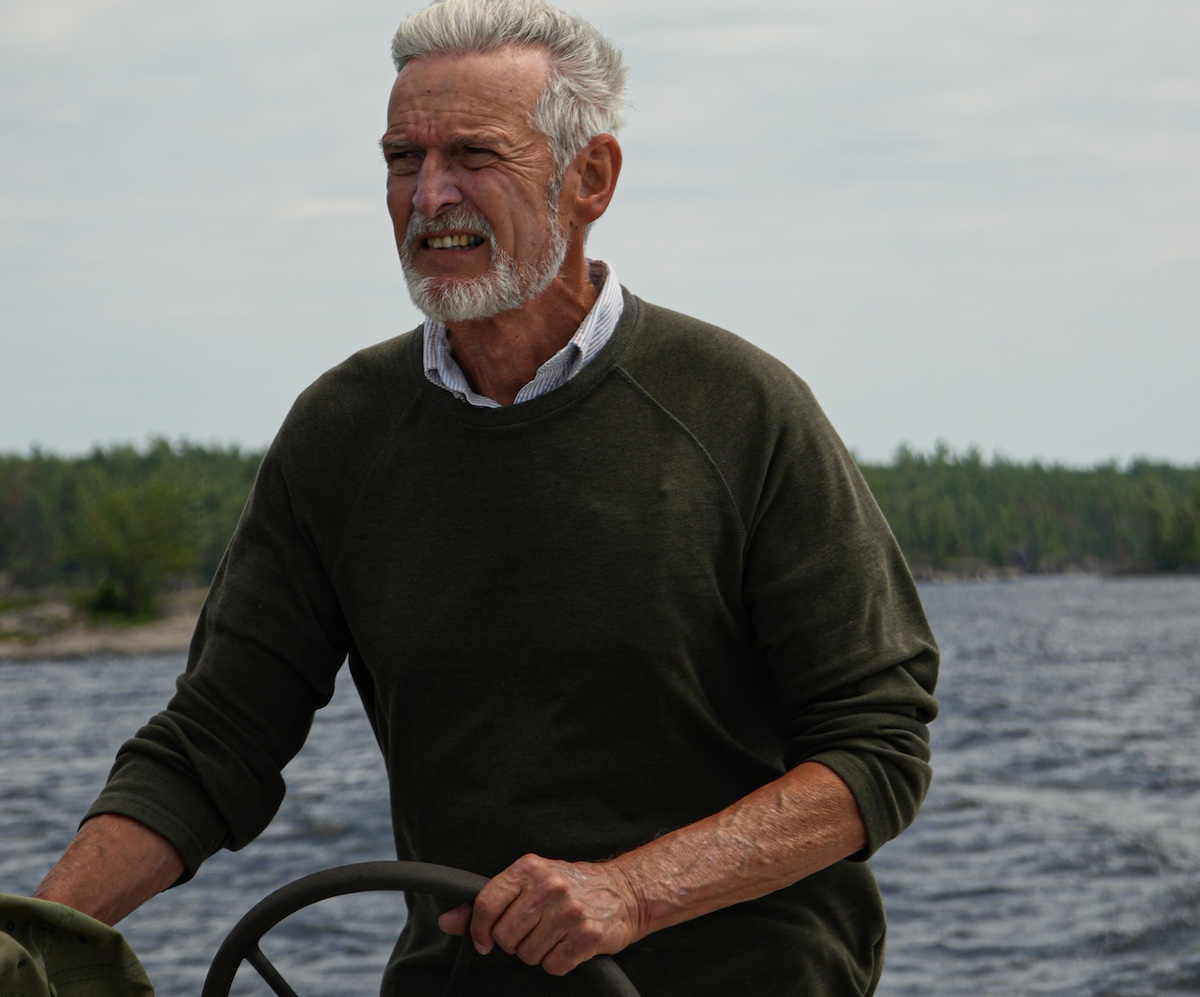
For a retreat group, that kind of interpretation is invaluable. It gives participants context, and it moves the experience beyond pretty scenery and into relationship. It helps guests understand that they are not simply using the landscape as a backdrop; they are being invited into a place with depth.
That sense of care extends across the staff. Helpful, warm, and unobtrusive, the team at Pine Cove seems to understand the sensitivity of retreat work. Participants may arrive tired, guarded, distracted, or unsure. Hosts may be carrying the invisible weight of group dynamics, schedules, dietary needs, and weather plans. The staff’s role is to smooth the edges without over-orchestrating the experience.
And if weather interrupts the itinerary, it does not necessarily derail the retreat. Shangri-La becomes a backup gathering place where participants can sit by the hearth, beverage in hand, and continue their discussion in quiet. The main lodge can shift configurations. Meals can be adjusted. Movement can move indoors. The property has enough built-in flexibility that a change in weather can become part of the retreat rather than a failure of the plan.
For hosts considering The Lodge at Pine Cove, the best fit may be small to mid-sized groups looking for depth over spectacle: wellness weekends, creative residencies, women’s retreats, leadership off-sites, nature-based team building, reflective planning sessions, and experiences where disconnection is not a limitation but the point. Guests do not need to bring much beyond retreat-specific gear. With full kitchens, linens, towels, coffee, tea, and meals arranged, the packing list can remain simple.
When comparing retreat properties, what this property offers cannot be reduced to amenities.
It offers containment. A group can arrive, settle, eat together, move between water and forest, gather by fire, sleep in private cottages, and wake to a slower rhythm. It offers a rare kind of focus, where the absence of distraction becomes a facilitator in its own right. It offers beauty without performance, comfort without excess, and wilderness without the need to rough it.
For hosts, that combination is gold, because the most meaningful retreats are not only about what is taught. They are about what the place makes possible. At The Lodge at Pine Cove, the French River does some of the teaching. The lodge does some of the holding. And somewhere between the screened porches, the island fires, the shared meals, and Alex Strachan’s stories, people remember how good it feels to be fully where they are.
Images: The Lodge at Pine Cove, Hannah Lane of Wildlife Lane, Jacob Markowiak of Pumpkin House Photography, and Wander Media