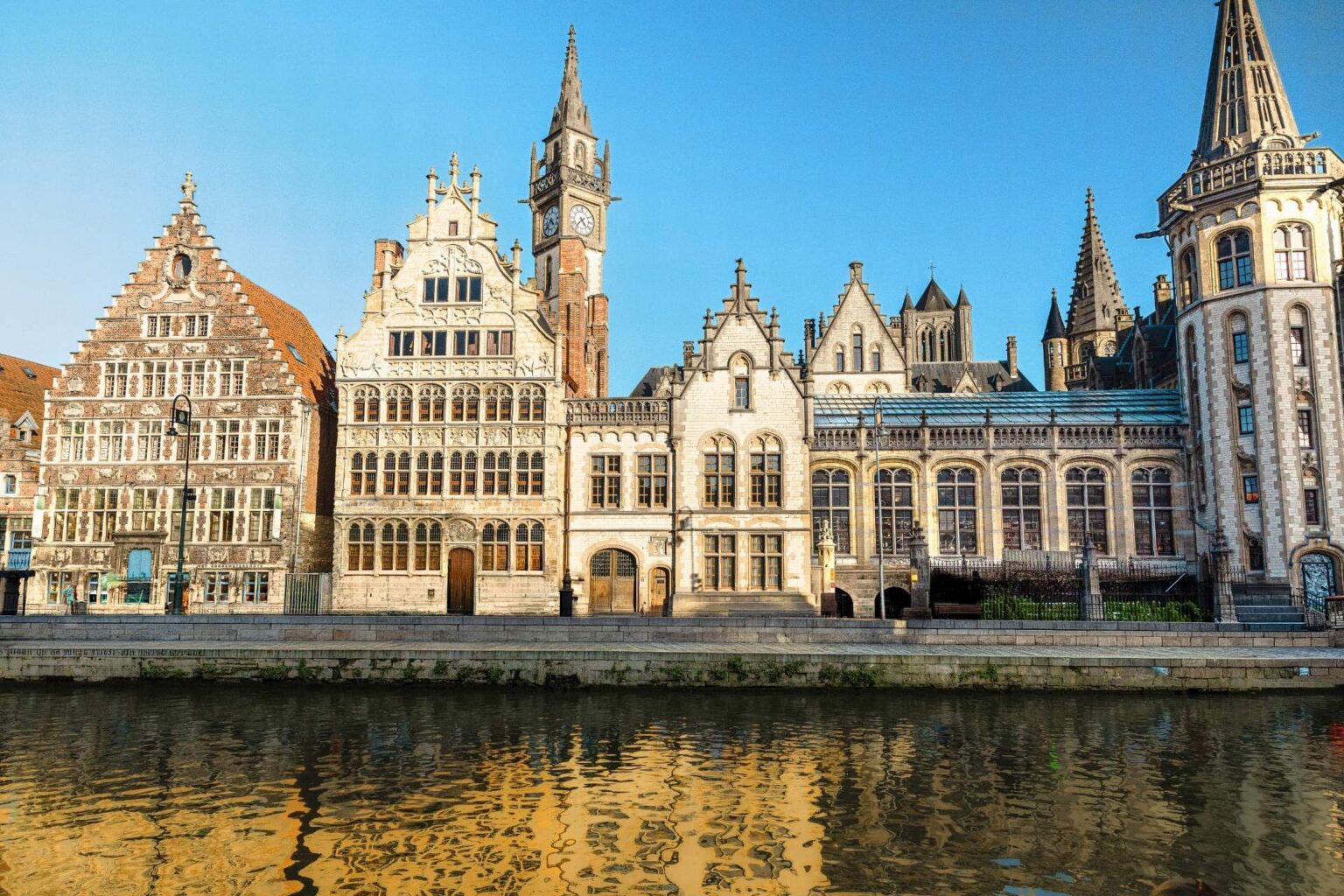
Medieval towers, canal-side cafés, boundary-pushing design, and a new heritage hotel make Ghent one of Europe’s most compelling city breaks.
Brussels has the name recognition. Bruges has the postcards. But between them sits Ghent—a Belgian city of medieval towers, cinematic canals, inventive restaurants, and neighbourhoods that still feel lived in.
For North American travellers, Ghent may not be the first place that comes to mind when planning a trip to Belgium. That is part of its appeal. The city offers the architectural drama and old-world atmosphere travellers cross the Atlantic to find, but with a youthful, creative energy that keeps it from feeling preserved behind glass.
This fall brings another reason to visit as 1898 Porter’s House has opened on the Graslei, transforming a Gothic Revival landmark into an intimate waterfront retreat in the heart of the historic city.
A City Best Explored Slowly
Ghent reveals itself in layers. The historic centre is compact enough to explore on foot, but rich enough to reward a few unhurried days.
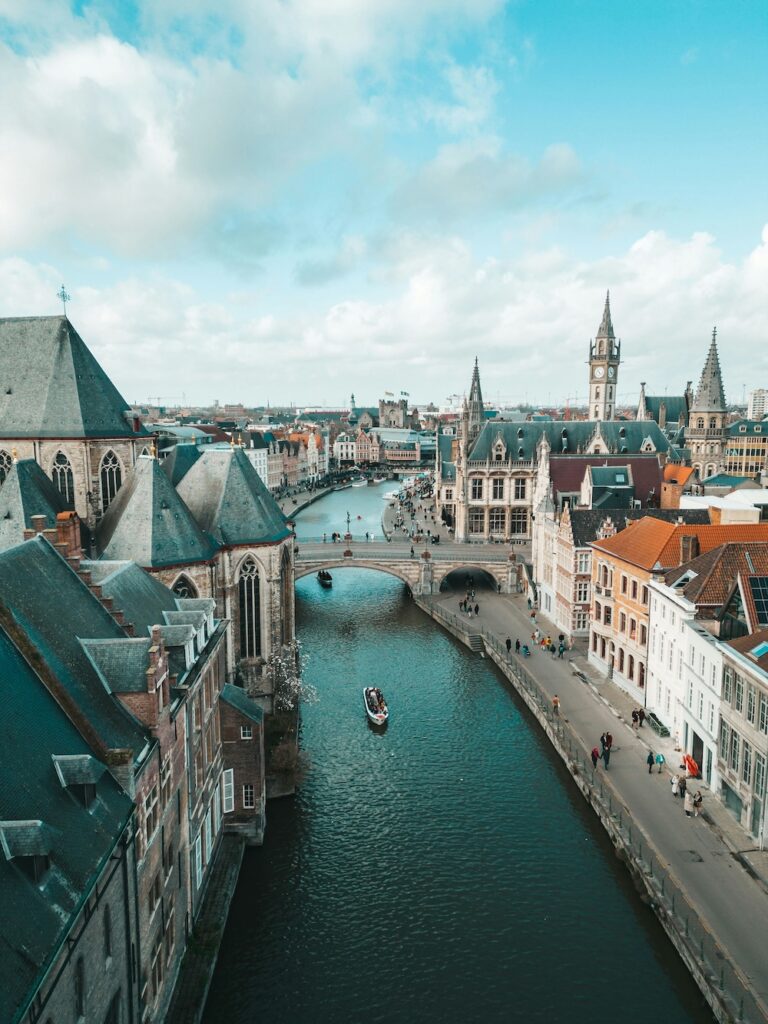
Begin along the Graslei and Korenlei, where elaborate guild houses line opposite banks of the River Lys. Once part of the city’s medieval harbour, the waterfront is now a gathering place where café terraces fill, boats drift past, and residents sit along the river’s edge as daylight fades.
From St. Michael’s Bridge, the city’s three famous towers—St. Nicholas’ Church, the Belfry of Ghent, and St. Bavo’s Cathedral—rise into view. Inside the cathedral is one of Europe’s most significant works of art: the Van Eyck brothers’ Adoration of the Mystic Lamb, completed in 1432 and more commonly known as the Ghent Altarpiece.
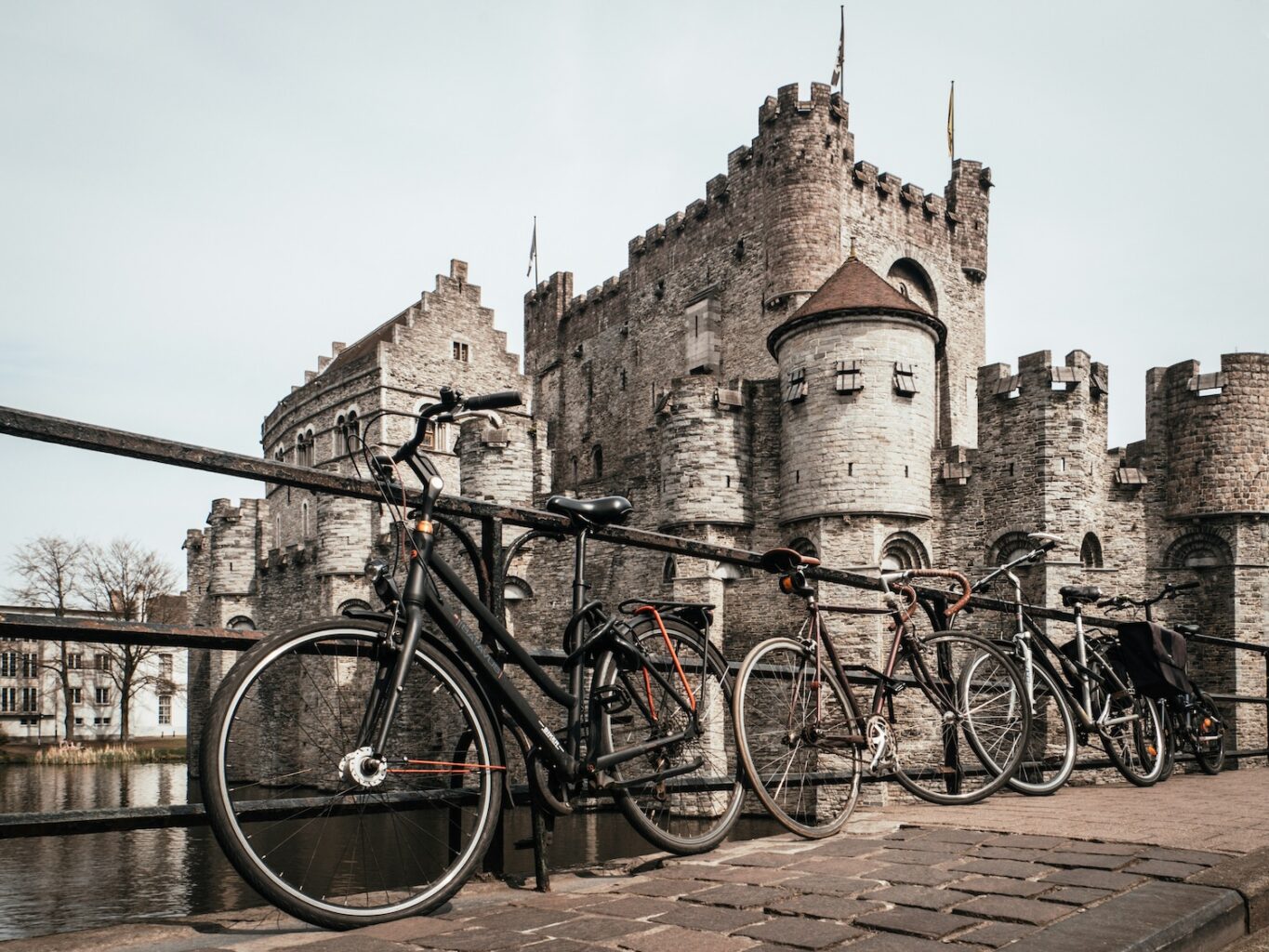
A short walk away, the Castle of the Counts brings a more imposing side of the Middle Ages into focus. The 12th-century fortress is the only remaining medieval castle in Flanders with a moat and a largely intact defensive system. Its ramparts also offer a striking view across the city’s rooftops.
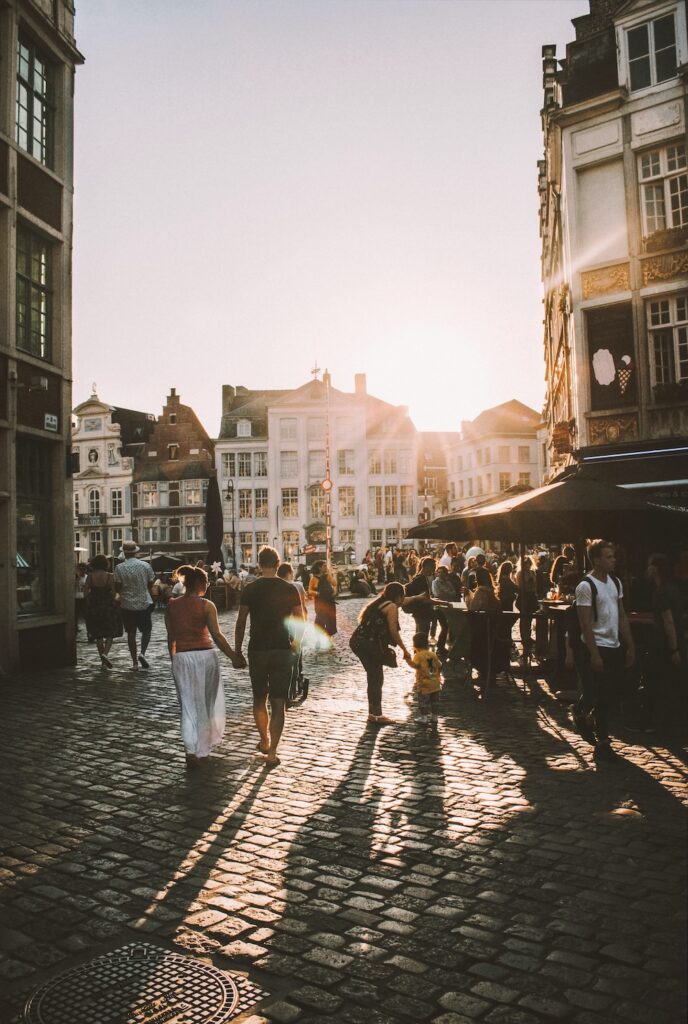
Yet Ghent’s history is only part of the story. Medieval streets lead to independent shops, contemporary galleries, colourful street art, and the student-driven cafés that give the city its easygoing rhythm. In Patershol, a protected neighbourhood with a medieval street plan, narrow lanes open onto restaurants and quietly atmospheric corners. Elsewhere, former industrial spaces have found new lives as cultural venues and creative gathering places.
Design Museum Gent adds another dimension when it reopens on October 3 following an extensive renovation and expansion. The newly reimagined museum will bring together more than 450 objects across 2,500 square metres of exhibition space, connecting historic decorative arts with contemporary design.
Heritage, Reimagined
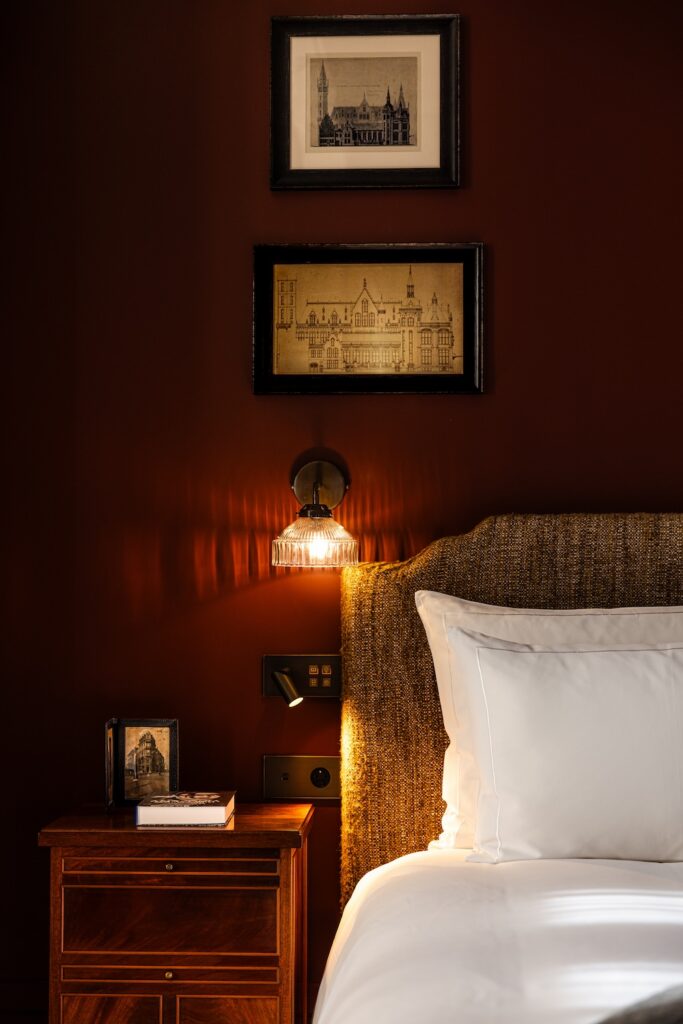
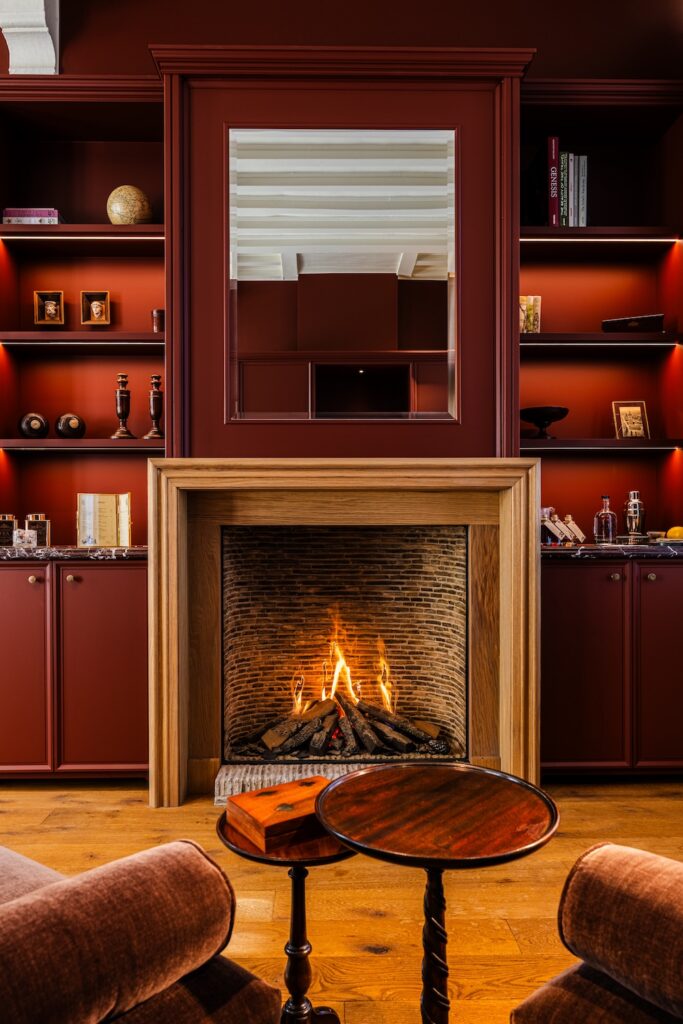
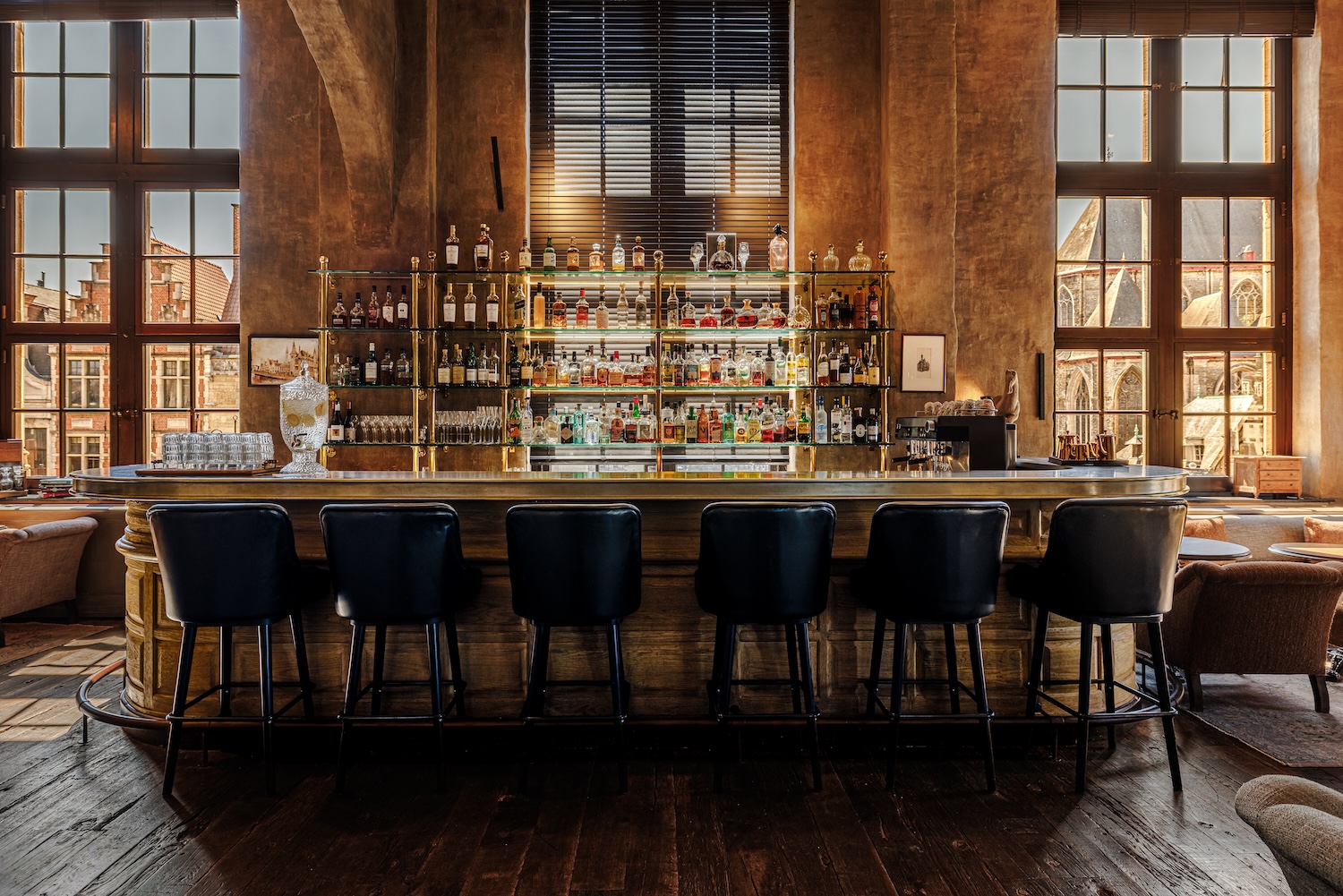
1898 Porter’s House sits directly on the Graslei, occupying the former porter’s residence for Ghent’s main post office. The neighbouring Neo-Gothic and Neo-Renaissance landmark was originally designed by Belgian architect Louis Cloquet and completed in 1898; today, it is home to sister property 1898 The Post.
Rather than treating the building’s history as a decorative theme, the new hotel works within it. Ghent-based architects Vertongen and architect Jan Van Loock preserved original doors, fireplaces, and soaring ceilings, while Belgian interior designer Geraldine Dohogne brought warmth to the grand proportions.
Marble, aged wood, handwoven rugs, linen-covered chairs, antique writing desks, and vintage mirrors create the feeling of a private European residence collected over time. Soft reds, forest greens, bronze, and muted golds temper the Gothic architecture, while spacious bathrooms feature rainfall showers and freestanding tubs.
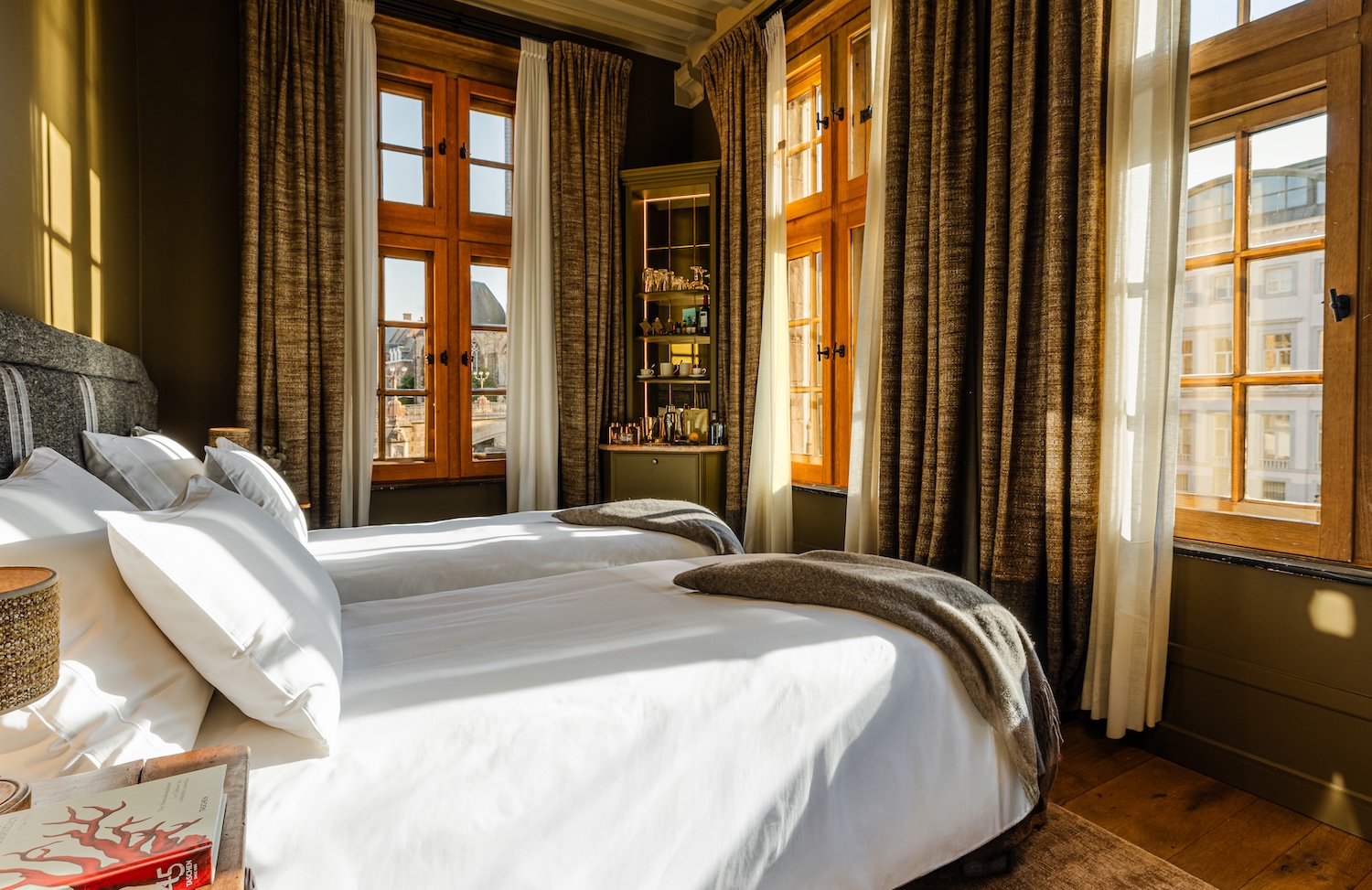
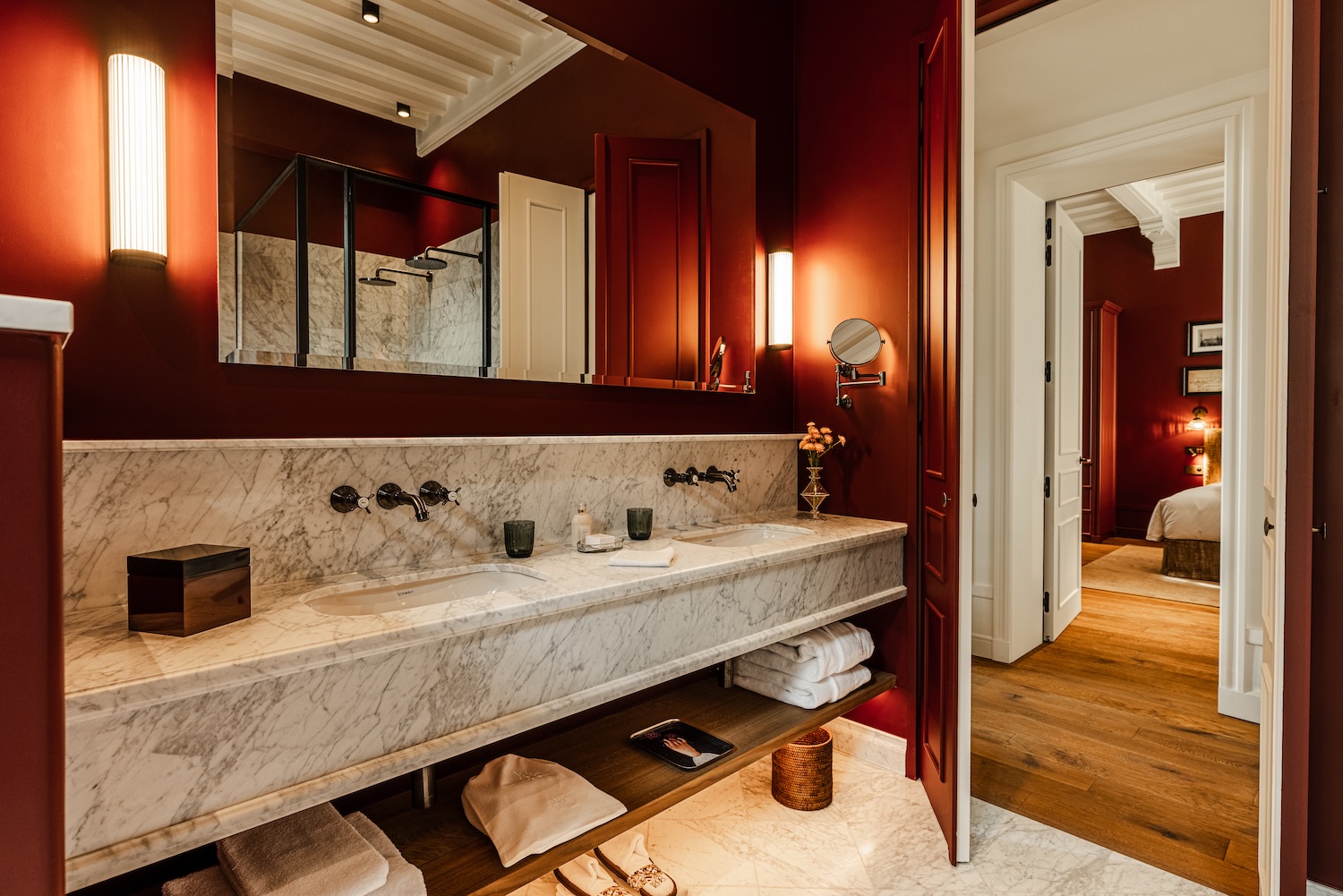
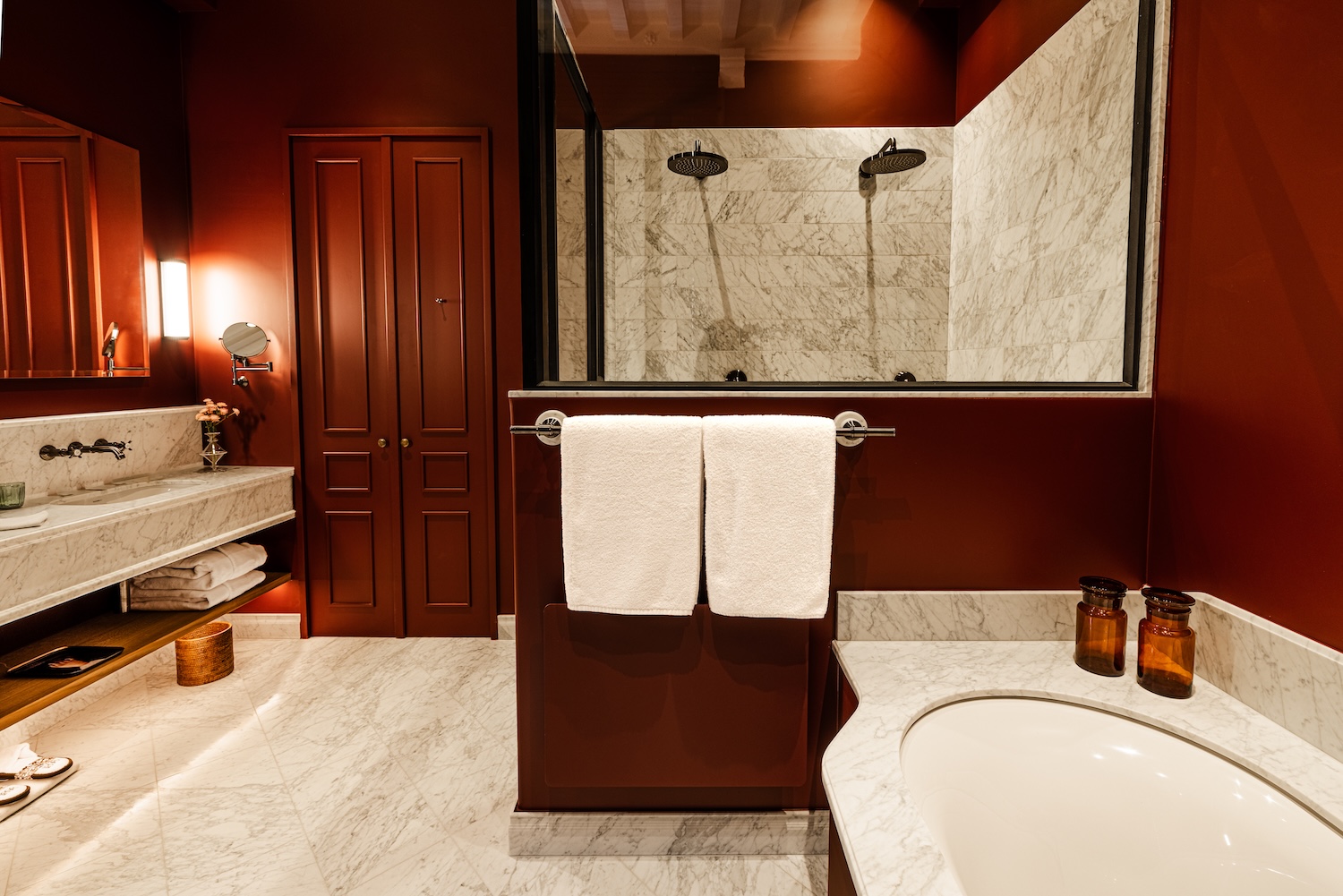
The property’s rooms and suites can be reserved individually, or the entire house can be booked privately for up to 10 guests. That flexibility makes it equally suited to a romantic city break, a multigenerational trip, or a getaway with friends.
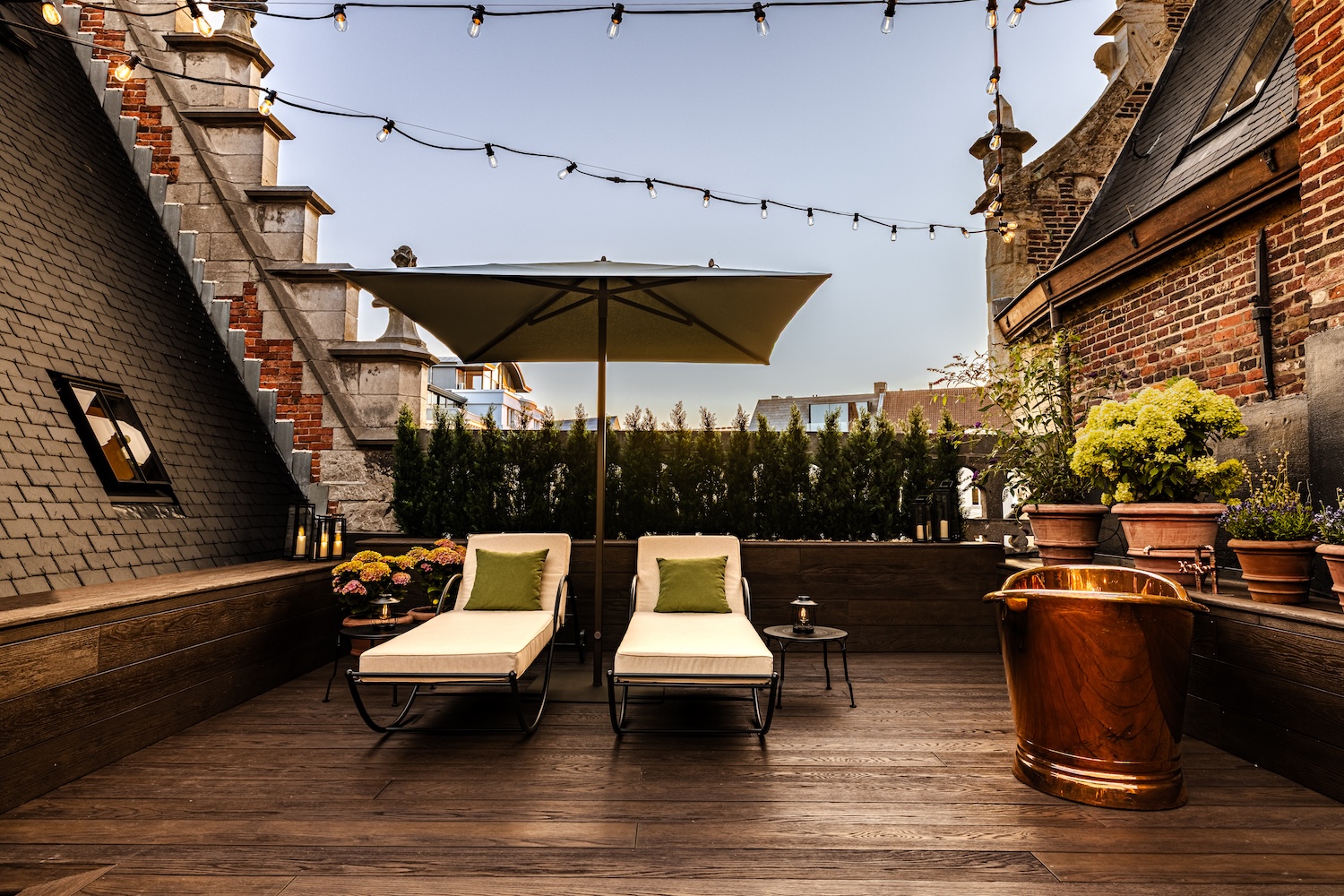
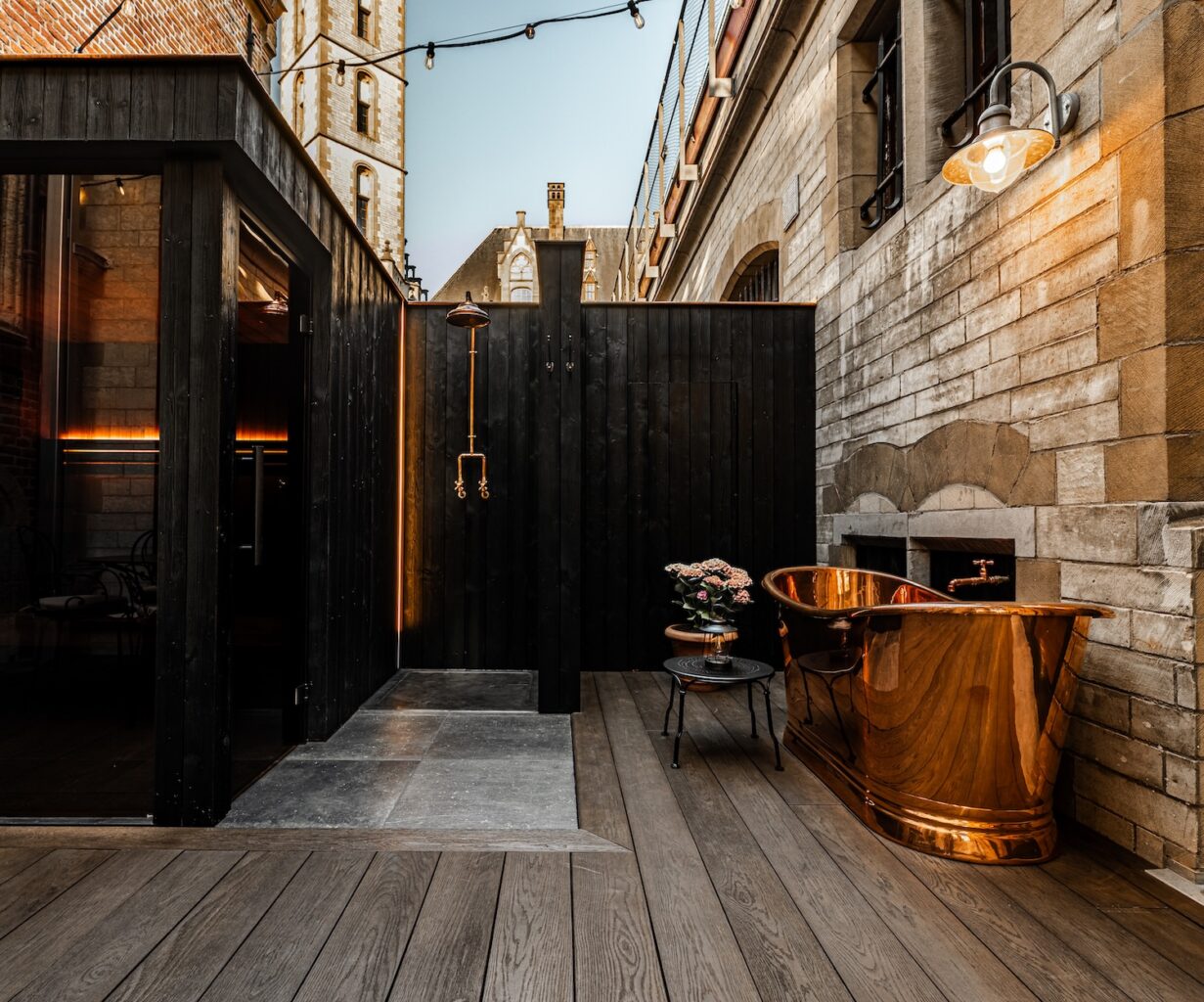
Two suites extend onto softly lit terraces overlooking the historic port. Here, infrared sauna sessions, ice showers, and sculptural copper plunge baths turn Ghent’s rooftops into an unexpected setting for contrast therapy. Private chef experiences, concierge arrangements, and butler service can also be arranged, although the atmosphere remains closer to an elegant townhouse than a conventional luxury hotel.
Guests can wander next door to The Kitchen at 1898 The Post for house-baked breakfasts and afternoon tea. After dark, The Cobbler serves cocktails in an intimate, speakeasy-inspired space overlooking the water.
A Greener Kind of European Getaway
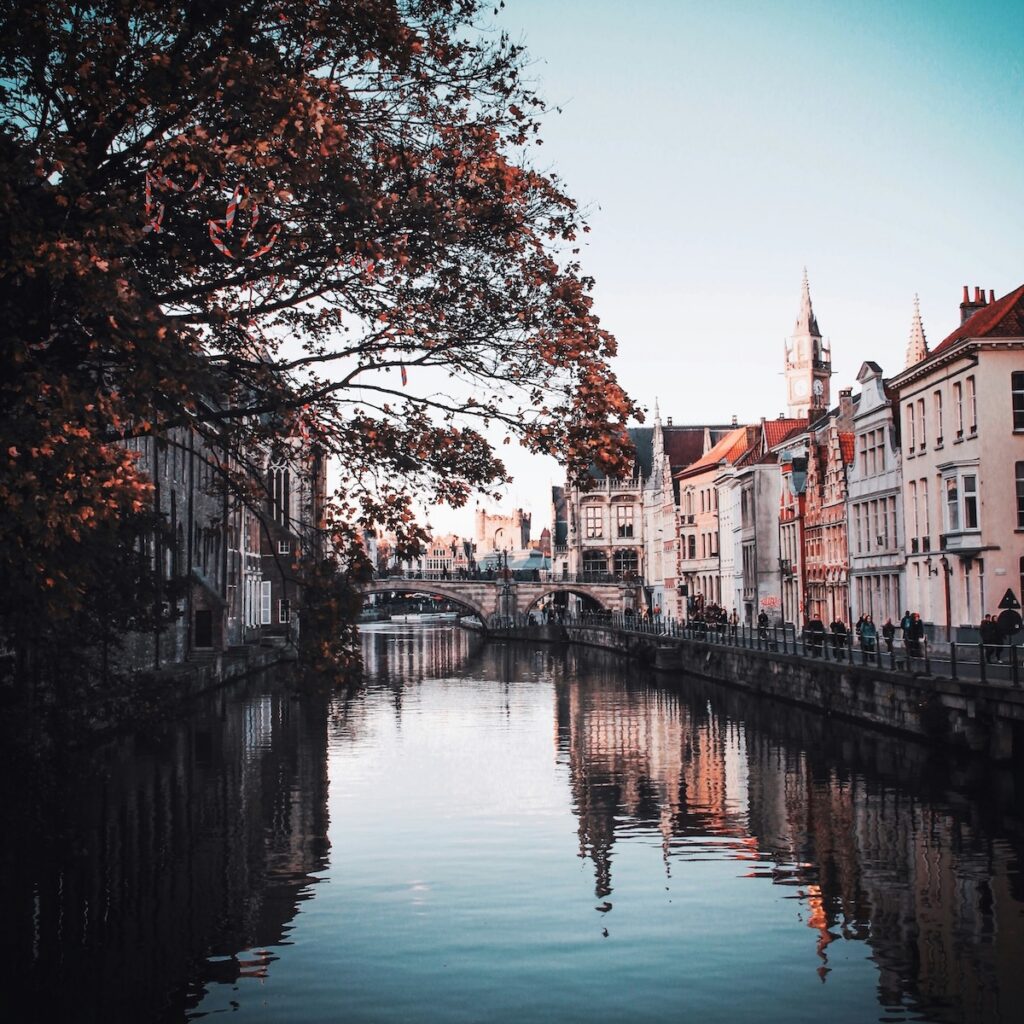
Ghent makes slow travel feel natural. Its historic centre includes one of Europe’s largest car-free areas, and much of the city can be explored on foot, by bicycle, or from the water. A canal cruise provides a different perspective on the stepped gables and former merchant houses, while an evening walk reveals the city’s monuments illuminated through a lighting plan designed to balance atmosphere with lower energy use.
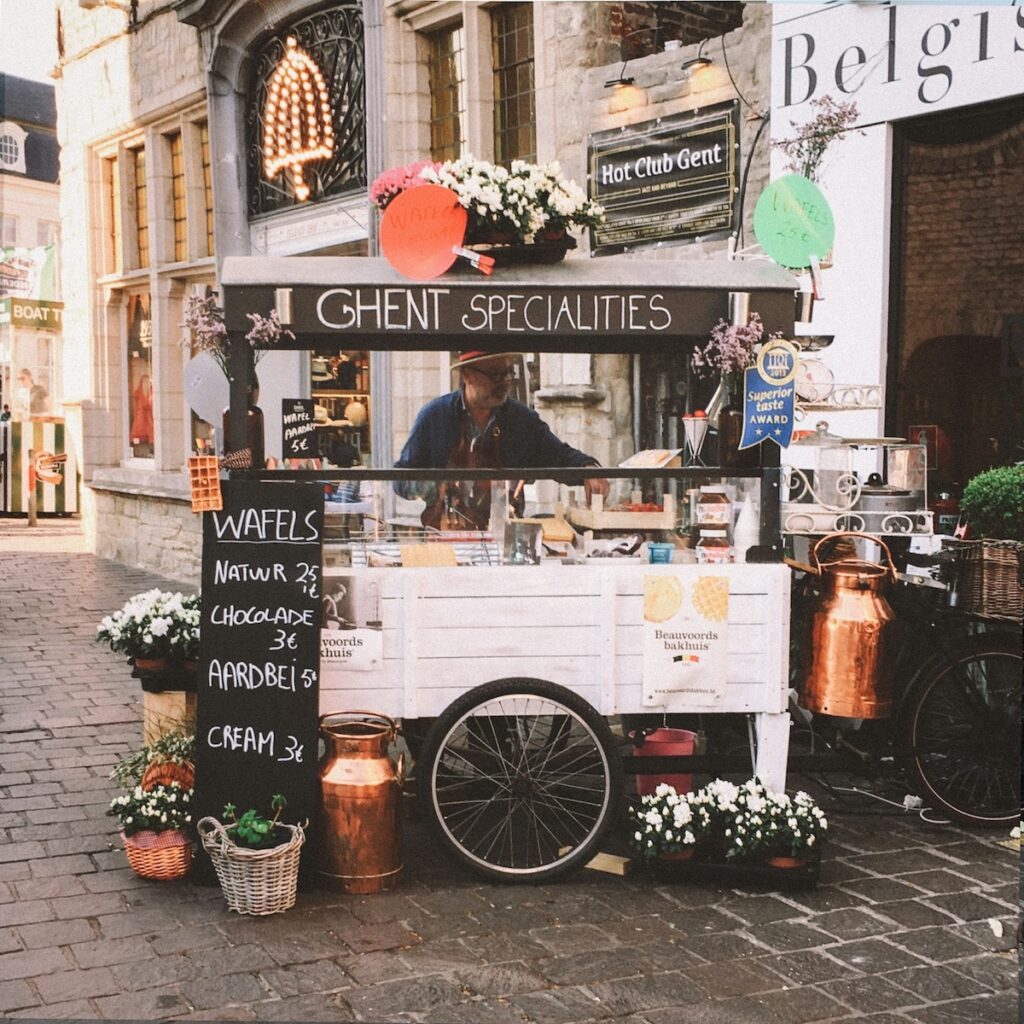
The city’s food culture shares that forward-thinking streak. Ghent introduced Thursday Veggie Day in 2009, encouraging residents to go without meat or fish once a week, and has since developed an unusually broad collection of vegetarian and vegan restaurants. Plant-based cafés sit comfortably alongside Belgian beer halls, bakeries, international kitchens, and restaurants serving local classics such as waterzooi.
For travellers arriving from North America, Ghent is also remarkably easy to fold into a longer European journey. Direct trains connect Brussels Airport with Gent-Sint-Pieters station, while Brussels, Antwerp, Bruges, and other European cities are readily accessible by rail.
But Ghent deserves more than a stop between better-known neighbours. Stay after the day-trippers leave. Watch the evening light settle over the Graslei. Follow a cobbled lane without checking the map. Let one café lead to another.
Ghent does not need to announce itself loudly. Its pleasure lies in discovering how much has been here all along.